Boutique Physical Media Gains New Life as Arrow Video Launches Toy Robot Sub-Label
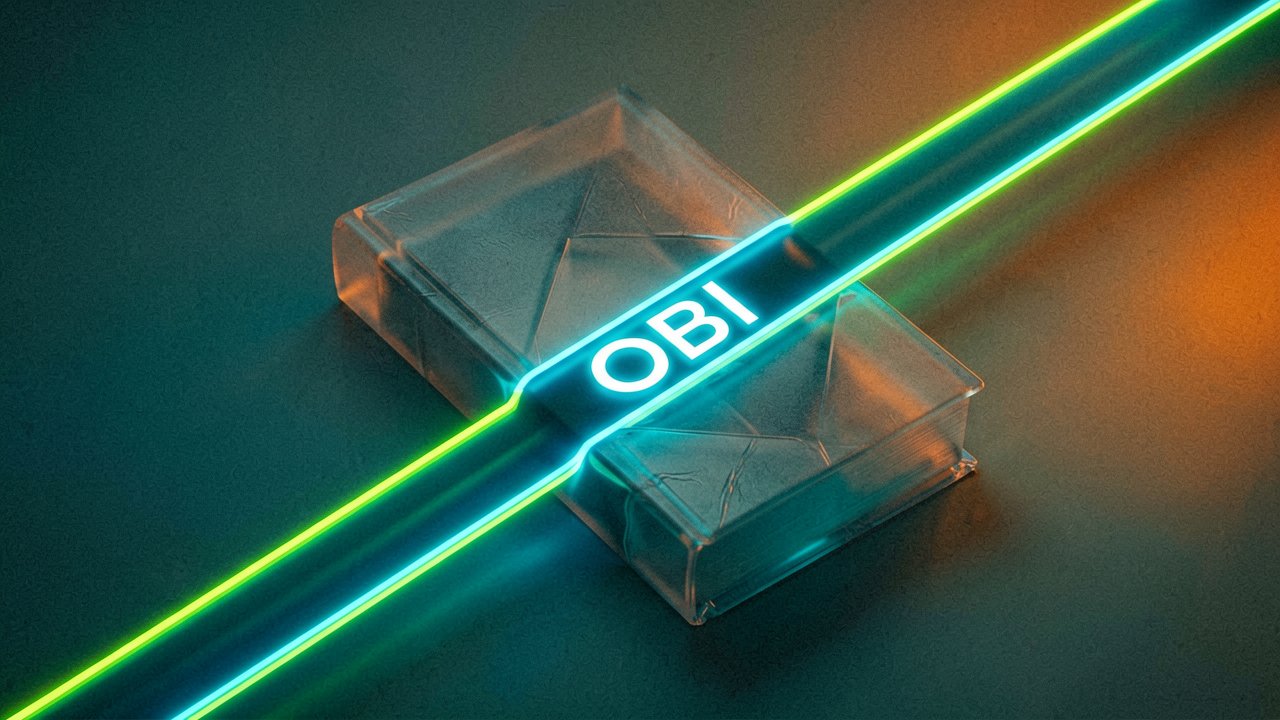
The physical media landscape is experiencing a highly targeted renaissance, driven by collector demand for premium archiving and nostalgic packaging. Arrow Video has positioned itself at the forefront of this shift by introducing its new sub-label, Blu-ray.com reported. Dubbed Toy Robot Video, this imprint aims to capture the classic feeling of browsing through neighborhood rental shops while utilizing state-of-the-art video transfers.
Rather than replacing older lines, the specialized imprint serves to capture a broader mainstream demographic that still craves genre-specific cult filmmaking. The strategy leans heavily into the cultural currency of the 1980s and 1990s, using distinctive artistic touches like colorful OBI-strips, customized slipcases, and dedicated art cards. By pairing specialized preservation with accessible pricing tiers, the company hopes to expand physical ownership beyond strict cinematic purists.
The brand's initial rollout demonstrates a keen focus on sci-fi and action properties that have historically been overlooked by massive studio distribution slates. Anchoring the initial September 2026 wave is a brand-new two-disc 4K UHD and Blu-ray release of the 1987 live-action adaptation of Masters of the Universe, alongside the highly anticipated North American Blu-ray debut of the 1994 superhero sequel Guyver: Dark Hero. These launches highlight an ongoing corporate strategy to turn forgotten blockbusters and cult favorites into high-end retail products.
Reclaiming the Video Store Era Through Nostalgic Branding
The aesthetic design of Toy Robot Video is explicitly built to target the habits of modern physical media collectors. According to release details compiled by Inside Pulse, the brand relies heavily on custom cover illustrations and collectible packaging elements to stand out on retail shelves. This design framework mirrors the sensory experience of vintage home video shopping, transforming a standard disc purchase into a premium tangible asset. By prioritizing allowances-friendly price points alongside these structural flourishes, the label actively lowers the barrier of entry for younger film enthusiasts who are discovering physical formats for the first time.

Archival Curation as a Core Competitive Safeguard
Boutique labels survive in an era dominated by digital streaming services by providing definitive technical packages that digital libraries simply cannot duplicate. Retail listings on DiabolikDVD confirm that the upcoming release of Guyver: Dark Hero features a pristine master transferred directly from the best surviving film elements. Furthermore, the two-disc collector's set provides distinct choices for genre enthusiasts, containing both the original 1994 theatrical cut and a newly enhanced edition equipped with modern digital special effects. Supplemental features including retrospective audio commentaries and production crew interviews provide an exhaustive educational context that solidifies the product's long-term worth to collectors.
Expanding Global Reach via Cross-Genre Appeal
The label's long-term market strategy relies on a diversified international slate that balances widely known western intellectual properties with rare eastern action cinema. Beyond its headlining science-fiction releases, the initial launch group highlighted by Why So Blu includes the 1981 martial arts feature Roaring Fire and the 1982 period piece Ninja Wars. By distributing these rare international titles across regional markets in the United States, Canada, and the United Kingdom, Toy Robot Video establishes a global framework capable of supporting niche sub-genres. This approach ensures a reliable revenue stream by catering directly to dedicated film historians and general pop-culture collectors alike.
What Most Reports Miss: The Economic Blueprint of Boutique Distribution
The survival of physical media relies entirely on high-margin collector editions rather than mass-market volume. Major Hollywood studios have spent years cutting down their physical distribution footprints, leaving a massive catalog of classic films unavailable on store shelves. Boutique labels like Toy Robot Video step into this gap by treating movies as high-end gallery pieces instead of simple consumer goods. By licensing forgotten genre films from studio libraries, these smaller labels create a steady business model built around dedicated fan bases who are willing to pay extra for premium packaging.
This business strategy depends heavily on creating a sense of scarcity and artistic value. Collectors no longer buy discs just for the movie itself, since digital streaming options are widely available online. Instead, they buy them for exclusive custom artwork, detailed essays, and newly produced behind-the-scenes documentaries. This focus on artistic packaging turns a simple movie release into a prized collector's item, allowing independent labels to thrive even as traditional retail stores continue to shrink their DVD and Blu-ray sections.
Securing the rights to these films requires a complex legal balancing act behind the scenes. Many beloved cult movies from the 1980s and 1990s are trapped in legal limbo because the original production companies went bankrupt or sold off their assets piece by piece. Entertainment lawyers and label executives must spend months tracking down original film negatives and sorting out international distribution rights before any restoration work can even begin. The launch of a title like Guyver: Dark Hero represents a major victory in legal detective work, rescuing a film from obscurity and ensuring its survival for future generations.
The actual restoration process is where film preservation meets modern digital technology. Technicians carefully clean decades-old film strips and run them through high-resolution scanners to fix color fading, scratches, and dirt. This delicate process requires a deep respect for the filmmaker's original vision, as applying too much digital cleaning can ruin the natural look of the film grain. Label executives often work closely with the original directors or cinematographers to make sure the final 4K presentation looks exactly how it was intended to be seen in theaters decades ago.
This market shift also highlights a growing frustration among film lovers regarding the limitations of digital streaming platforms. Modern audiences are starting to realize that digital movies can disappear from their streaming libraries overnight due to changing corporate licensing deals. Physical discs offer permanent ownership and complete control over one's personal movie collection, free from internet outages or corporate decisions. As digital fatigue grows, the simple act of owning a movie on a shelf has transformed from an old-fashioned habit into a deliberate statement of independence for cinema fans worldwide.
Reading Between the Lines: The Volatility of Nostalgia-Driven Economics
The immediate enthusiasm surrounding the launch of Toy Robot Video masks a deeper structural contradiction within the boutique home video market. Industry analysts frequently celebrate these specialized sub-labels as proof of a physical media revival, yet the entire ecosystem relies on an increasingly finite resource. There is only a limited pool of highly recognizable 1980s and 1990s cult properties available for licensing. As rival boutique distributors aggressively outbid one another for the same nostalgic titles, the cost of acquiring rights threatens to outpace the profit margins of these limited-edition print runs.
This aggressive competition creates a strange market environment where secondary, lower-quality films are given the same high-end archival treatment as genuine cinematic masterpieces. When every forgotten science-fiction sequel or low-budget action film is marketed as an essential, pristine masterpiece, the word classic loses its meaning. Collectors may eventually face fatigue when forced to choose between multiple expensive versions of the same movie, especially when the high price tag is driven more by fancy cardboard packaging than the quality of the film itself.
Furthermore, the long-term survival of this business model depends on a demographic that is naturally aging out of the market. The consumers driving this niche resurgence are older fans who remember the original video store era and have the disposable income to spend on premium physical releases. It remains highly uncertain whether younger audiences, who grew up entirely in the digital streaming era, will ever develop the same desire to own shelves full of physical discs. Without attracting a new generation of buyers, the boutique market risks becoming an exclusive, shrinking club rather than a sustainable industry.
The reliance on fancy packaging also exposes a major weakness in the supply chain that smaller labels struggle to control. Producing customized slipcases, rigid boxes, and printed booklets requires specialized manufacturing plants that are becoming increasingly rare worldwide. A single delay at a printing facility or a shortage of raw materials can instantly disrupt a label's entire release calendar, causing missed shipping dates and frustrated customers. For an industry built on the idea of physical perfection, these fragile production dependencies represent a constant threat to steady financial growth.
Ultimately, the boutique physical media market functions less like a traditional home video industry and more like the high-end sneaker or vinyl record markets. The product value is artificial, kept high by intentional scarcity and clever marketing designed to trigger nostalgia. While this strategy successfully keeps physical media alive for now, it places independent labels on a financial tightrope. They must continuously convince a small, dedicated group of collectors to buy increasingly obscure movies at premium prices, all while praying that the digital streaming giants do not suddenly decide to make their deep libraries permanently accessible for free.
"We are living in a fascinating time when a movie that was originally made for the price of a used car can be lovingly restored to look better than a modern summer blockbuster, proving that while human memory might fade over time, our willingness to spend forty dollars on a cardboard box from our childhood remains completely indestructible."
Artūras Malašauskas is an AI Systems Integrator with 20+ years of production-grade web engineering experience. He has designed, shipped, and scaled enterprise Python/PHP systems for logistics, SaaS, and public-sector clients. For the past year, he has focused exclusively on AI integrations: deploying open-source LLMs, building generative media pipelines (image, audio, video), and engineering multi-agent workflows for real production environments. His standard: reproducibility, security, cost-efficient inference—no vaporware. He documents and evaluates emerging AI tooling, separating verified capabilities from marketing noise. Technical editor at: muza-ai.eu, ai-verslas.lt, ai-naujinos.lt Connect on LinkedIn
Comments