Cloudflare AI-Powered SASE Expansion Redefines Enterprise Cybersecurity Standards
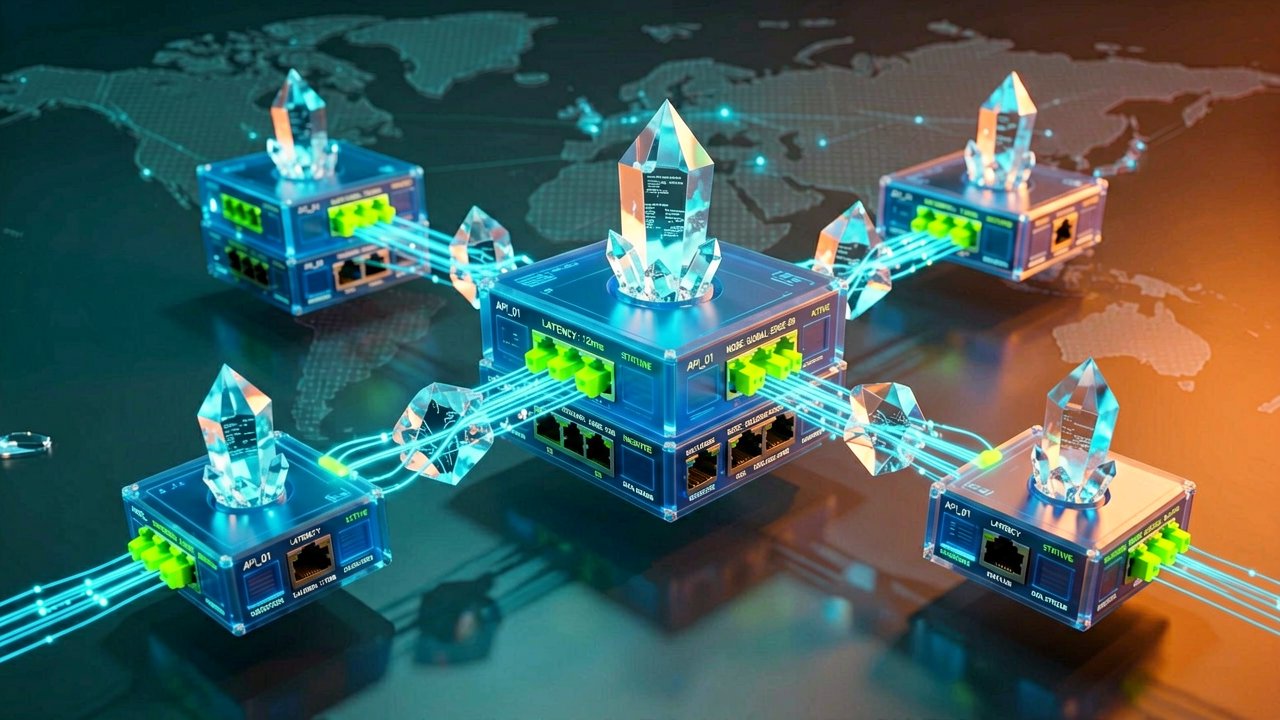
Cloudflare has systematically shifted the parameters of enterprise networking by embedding advanced artificial intelligence directly into its Secure Access Service Edge (SASE) architecture. Through the launch of the Cloudflare One Stack, the company introduces a structured library of AI skills engineered to eliminate the manual overhead and latency typical of traditional perimeter defenses. This structural upgrade allows machine learning models to autonomously manage, optimize, and defend hybrid enterprise infrastructures in real-time, executing policy decisions at the network edge rather than relying on backhauled computing resources.
This deployment model directly addresses the compounding security vulnerabilities introduced by rapid corporate adoption of generative AI tools and independent agentic ecosystems. By fusing AI capabilities into Cloudflare One, the platform simultaneously governs human employees, managed devices, and automated AI agents within a unified connectivity cloud. This integration provides enterprise security teams with granular visibility, enabling automated scanning, threat detection, and prompt monitoring to intercept corporate data before it is leaked to external public models.
Market Impact and Strategic Ecosystem Integration
The enterprise cybersecurity market has historically suffered from fragmented point solutions that force administrators to manually stitch together software-defined wide area networks (SD-WAN) and Zero Trust architectures. Cloudflare disrupts this status quo by executing AI-driven automation alongside global systems integrators through its newly unveiled Design Partner Designation, as detailed in the official Cloudflare Press Release. By partnering with elite global firms, the strategy drastically accelerates Zero Trust adoption and simplifies the technical debt associated with modernizing legacy private networks.
Programmable Defense and Edge-Native Architecture
Unlike standard black-box security platforms that restrict operations to binary allow-or-block rules, this framework leverages a native developer environment to deliver fully programmable, adaptive security policies. The consolidation of data paths onto a single global network allows machine learning models to analyze telemetry dynamically, calculating real-time risk scores without imposing performance penalties. This capability establishes a highly scalable infrastructure designed to defend against next-generation corporate threats, setting a new benchmark for continuous, automated cloud security execution.
Behind the Scenes of the SASE Architecture Evolution
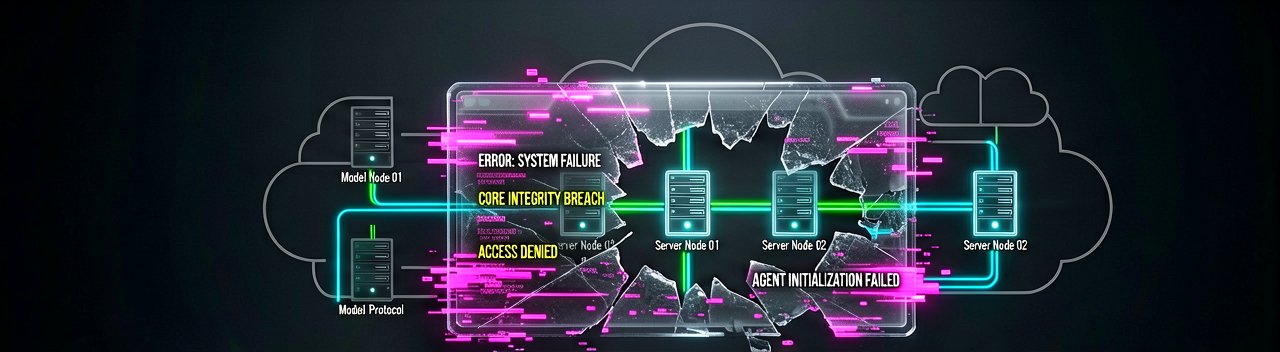
The Reality Behind the Infrastructure Shift: The transition from legacy hardware stacks to an AI-driven connectivity cloud marks the culmination of a decade-long architectural battle over enterprise network perimeters. Historically, legacy vendors forced organizations to route all corporate traffic back to centralized physical appliances, creating severe bandwidth bottlenecks and latent vulnerabilities. By moving the processing load entirely to an edge-native framework, enterprise security operations can finally decouple protection from physical geography, allowing data packets to be scrubbed and routed simultaneously at the nearest regional data center.
Chief Information Security Officers are increasingly shifting their focus from basic firewall rules to the complex challenge of shadow AI deployment within corporate networks. Standard Data Loss Prevention protocols often fail when faced with employees pasting proprietary source code or sensitive financial projections into unauthorized LLM interfaces. The integration of inline machine learning allows the network to parse the intent of outbound data payloads dynamically, intercepting proprietary information before the external API call can complete, rather than attempting to remediate the breach after the data has left the corporate perimeter.
This architectural shift is also altering the economic landscape for global systems integrators, who previously relied on lucrative, long-term consulting contracts to manually wire together disparate SD-WAN vendors and Zero Trust components. The introduction of unified developer tools at the network edge allows these partners to build customized, automated compliance workflows directly into the routing layer. As a result, enterprises can now enforce complex regional data sovereignty mandates and regulatory compliance policies programmatically across thousands of endpoints without deploying localized physical infrastructure.
Looking ahead, the long-term viability of this security model depends heavily on the optimization of computing resources at the network edge. Running complex deep learning models on every single packet passing through a global network introduces extreme computational overhead that can degrade user experience if mismanaged. By utilizing specialized hardware acceleration and lightweight, single-purpose machine learning models tailored for telemetry analysis, the system achieves sub-millisecond inspection times, proving that robust corporate security no longer requires a compromise in network performance.
Reading Between the Lines: The Friction of Autonomous Security
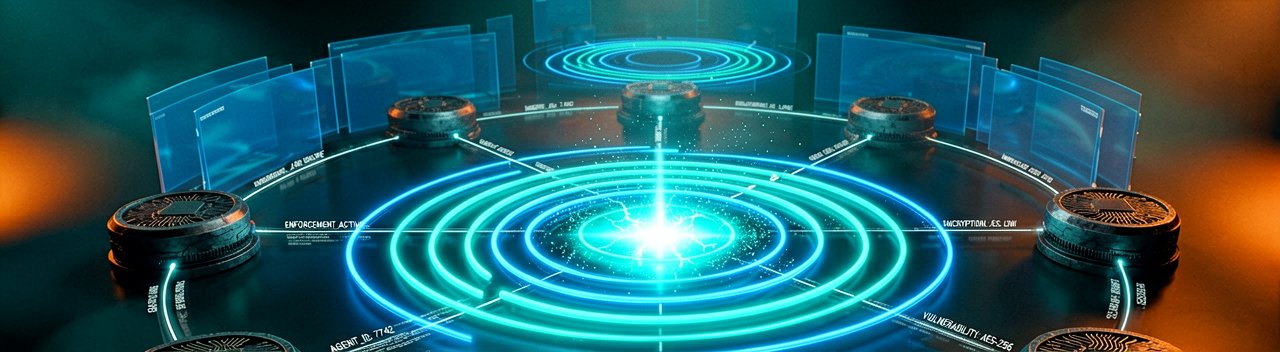
Reading Between the Lines: While the promise of an AI-managed network layer offers an elegant solution to modern enterprise sprawl, it introduces an inevitable paradox concerning corporate control and predictability. Transitioning network governance to autonomous machine learning models assumes that these systems can accurately decipher complex, highly contextual enterprise data policies without generating debilitating false positives. For a global enterprise, a single miscalibrated AI decision that misinterprets a legitimate, time-sensitive data transfer as an exfiltration attempt could instantly freeze critical business operations, trading traditional security vulnerabilities for operational unpredictability.
Furthermore, relying heavily on a select tier of global systems integrators via the Cloudflare Design Partner Designation reveals the persistent, unyielding complexity of legacy corporate infrastructure. Despite marketing narratives celebrating instantaneous, agent-powered deployments through tools like the Cloudflare One Stack, the reality remains that massive enterprise networks cannot simply be automated away with pre-packaged blueprint configurations. The necessity of hand-selected consulting partners underscores that human remediation, complex environmental audits, and manual structural mapping are still mandatory buffers required to bridge the gap between legacy architectural debt and autonomous security visions.
There is also an inherent tension in using AI systems to protect corporate infrastructure from the threats posed by the generative AI boom itself. Security architectures are effectively engaging in an algorithmic arms race, deploying edge-native machine learning models to detect, log, and filter the rapidly evolving behavior of external AI agents and unauthorized data scraping. If these underlying defense models are trained on similarly volatile datasets, organizations risk creating an opaque loop of automated oversight where verifying the absolute validity of a security policy becomes nearly impossible for human administrators, rendering compliance audits an exercise in trusting the machine.
"We have officially entered an era of corporate security where we trust software agents to defend our data from other software agents, leaving human administrators with the primary responsibility of explaining to the board exactly why the network decided to quarantine the CEO's automated calendar assistant."
Artūras Malašauskas is an AI Systems Integrator with 20+ years of production-grade web engineering experience. He has designed, shipped, and scaled enterprise Python/PHP systems for logistics, SaaS, and public-sector clients. For the past year, he has focused exclusively on AI integrations: deploying open-source LLMs, building generative media pipelines (image, audio, video), and engineering multi-agent workflows for real production environments. His standard: reproducibility, security, cost-efficient inference—no vaporware. He documents and evaluates emerging AI tooling, separating verified capabilities from marketing noise. Technical editor at: muza-ai.eu, ai-verslas.lt, ai-naujinos.lt Connect on LinkedIn
Comments