The Autonomous Office Arrives: Microsoft Drops Copilot Cowork Worldwide
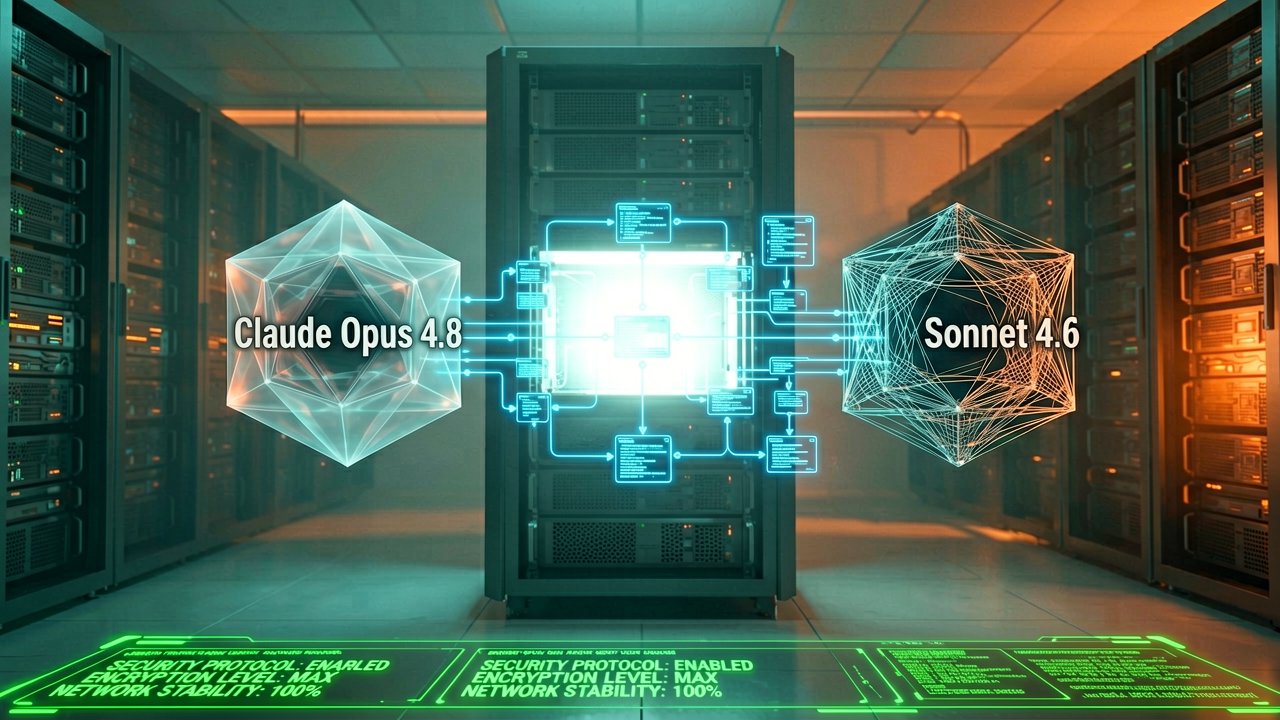
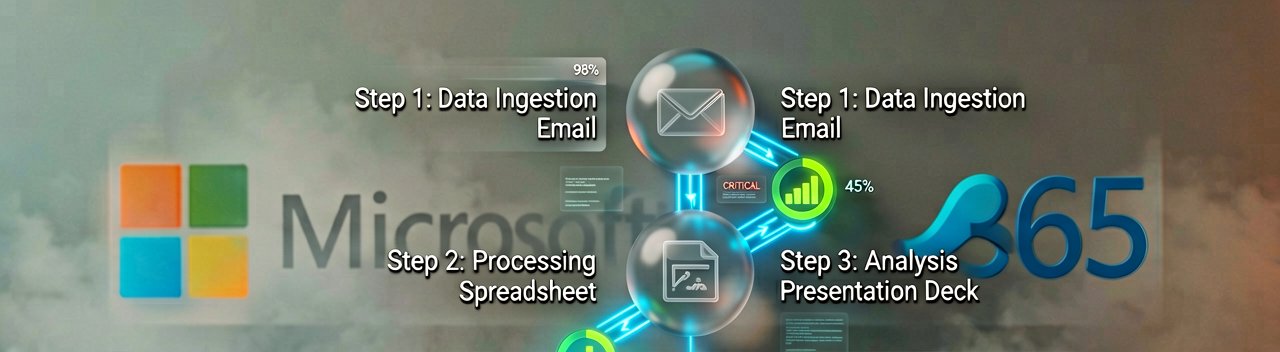
Microsoft just made a massive play to shift generative AI from a conversational novelty into a fully autonomous office assistant. On June 16, 2026, the tech giant officially launched Copilot Cowork globally, embedding advanced, multi-step AI agents directly into the Microsoft 365 Blog ecosystem. Instead of simply answering prompts or summarizing text, this new architecture can independently plan, execute, and deliver complete workflows across emails, documents, and meetings without constant human hand-holding.
This worldwide rollout marks the end of Cowork’s three-month testing period within Microsoft's exclusive Frontier preview program. The goal here isn't just incremental optimization; it's a structural rewrite of corporate productivity. By leveraging a underlying engine called Work IQ, the system safely ties into an organization’s existing security and data perimeters, allowing the AI to orchestrate complex tasks across multiple enterprise applications simultaneously.
Multi-Model Power and Third-Party Muscle
What makes this launch particularly interesting is Microsoft’s flexible approach to the underlying technology. Rather than forcing a single internal model onto every corporate task, Copilot Cowork debuts with a multi-model architecture heavily reliant on Anthropic’s latest systems, including Claude Opus 4.8 and Claude Sonnet 4.6. Enterprise customers on the advanced Frontier track can even tap into OpenAI’s GPT-5.5, while Microsoft plans to drop its own budget-friendly "Cowork 1" model later this summer to drive down compute costs, as reported by CRN Asia.
The system's utility scales rapidly out of the gate thanks to an immediate injection of nine major partner plugins. Platforms like Miro, monday.com, and Moody's are live on day one, with integrations for workplace heavyweights like Adobe, Atlassian, Box, and Canva slated to arrive shortly. These connections mean the agent can read open sales opportunities, flag risks, update CRM records, and draft client-ready presentation decks in one single, unattended pass.

The Real Catch: Credits and Consumption Billing
Of course, this level of heavy-lifting compute doesn’t come free. To prevent organizations from running up accidental, massive bills on long-running autonomous tasks, Microsoft is implementing a usage-based consumption model tied to "Copilot Credits." While users still need a standard Microsoft 365 Copilot subscription, autonomous multi-step workflows will consume these credits at a rate of $0.01 each, depending on the complexity, runtime, and the specific AI model chosen for the job.
To keep bean-counters happy, Microsoft has baked comprehensive cost management features into the update. Administrators can toggle the entire service on or off at the tenant level, set strict spending caps for specific groups or individual users, and configure automated threshold alerts. Early testing data released by Microsoft claims that its tailored pipeline makes Cowork roughly 30% to 40% cheaper per heavy prompt than trying to hook rival setups into Microsoft 365 data repositories independently.
Behind the Scenes: The global rollout of Copilot Cowork is less about a software update and more about an existential arms race to dominate the corporate IT stack. For years, tech giants have pitched AI as a digital intern—a helpful but ultimately reactive tool waiting for a prompt. By transitioning to fully autonomous agents, Microsoft is attempting to lock enterprises into its ecosystem before competitors can mature their own agentic frameworks. The strategy mirrors the early days of cloud computing, where the vendor that secured the foundational infrastructure effectively owned the client’s digital future.
Industry insiders suggest that the sudden integration of Anthropic’s Claude models into a flagship Microsoft product reveals a pragmatic shift in Redmond's boardroom. While the multi-billion-dollar alliance with OpenAI remains highly visible, the sheer compute demands of autonomous workflows require a diversified portfolio. By allowing Claude Opus and Sonnet to handle intricate logic paths alongside OpenAI's engines, Microsoft is hedging its bets, ensuring that enterprise clients do not experience service bottlenecks when thousands of autonomous agents begin running concurrent, multi-hour tasks across global networks.
The IT Admin Dilemma
While chief information officers are drawn to the promised productivity gains, the reality on the ground is causing significant anxiety among system administrators. Granting an AI agent the permission to autonomously read emails, modify financial spreadsheets, and update CRM records creates an unprecedented attack surface. Even with Microsoft's assurances regarding data perimeters, the risk of prompt injection attacks—where malicious external data tricks the AI into breaking corporate protocols—remains a complex challenge that security teams are scrambling to patch before widespread deployment.
Furthermore, the introduction of the Copilot Credits billing system adds a layer of operational unpredictability that corporate finance departments traditionally despise. Predicting the exact compute cost of an autonomous workflow that might run for hours, pulling data from dozens of third-party plugins, is nearly impossible until the system is fully operational. Many organizations are expected to roll out Cowork to small, highly restricted pilot groups initially, rationing credits until they can accurately model the return on investment against the consumption fees.
Redefining the Knowledge Worker
Beyond the technical and financial hurdles lies a more profound cultural shift in how white-collar work is valued. If an AI agent can independently synthesize a quarter's worth of sales data, coordinate with vendors, and draft the final report, the human role pivots sharply from creation to curation. Middle managers will increasingly find themselves acting as editors and compliance officers for machine-generated output, a transition that will require a massive retraining effort across global workforces.
Ultimately, the success of Copilot Cowork will not be measured by the sophistication of its underlying models, but by how seamlessly it integrates into the messy, unstandardized workflows of everyday business. If the system frequently hallucinates or requires constant human intervention to fix automated mistakes, it risks becoming an expensive digital distraction. But if it delivers on its promise of autonomous execution, it will fundamentally redefine the benchmark for enterprise software efficiency for the next decade.
Artūras Malašauskas is an AI Systems Integrator with 20+ years of production-grade web engineering experience. He has designed, shipped, and scaled enterprise Python/PHP systems for logistics, SaaS, and public-sector clients. For the past year, he has focused exclusively on AI integrations: deploying open-source LLMs, building generative media pipelines (image, audio, video), and engineering multi-agent workflows for real production environments. His standard: reproducibility, security, cost-efficient inference—no vaporware. He documents and evaluates emerging AI tooling, separating verified capabilities from marketing noise. Technical editor at: muza-ai.eu, ai-verslas.lt, ai-naujinos.lt Connect on LinkedIn
Comments