Extole Bridges the Dev-Martech Divide with New AI-Ready Developer Platform
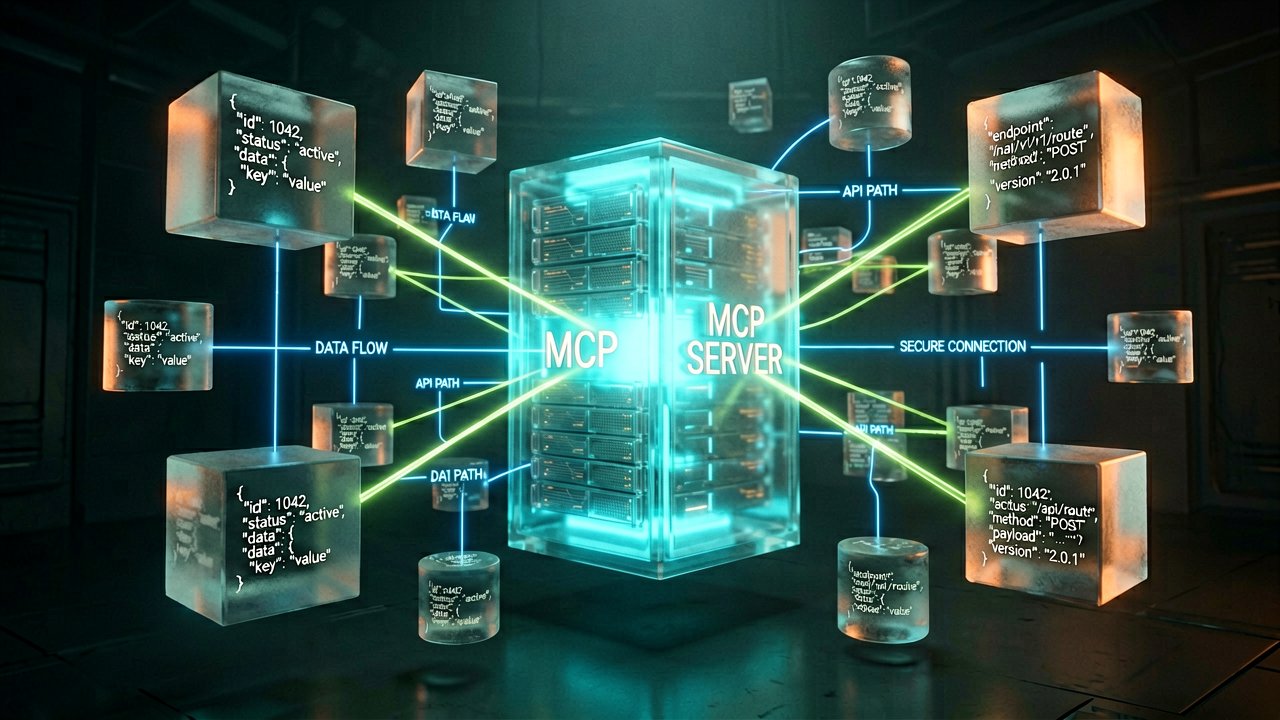
Enterprise marketing software has a bad habit of forcing engineering teams into a corner, making them wrestle with restrictive templates just to update a basic referral flow. Enterprise offer management platform PR Newswire looks to tear down those limitations. On June 16, 2026, the company officially launched an AI-ready developer platform featuring its new Model Context Protocol (MCP) server. This new tech layer turns rigid marketing infrastructure into a highly configurable playground for developers and autonomous AI agents alike.
Instead of locking companies into pre-packaged, rigid campaigns, Extole is leaning heavily into a component-based architecture. Engineering and marketing teams can now treat events, rewards, audiences, and custom journeys as reusable building blocks. By exposing a deeply expanded, semantically clear API, the system lets developers build personalized incentive structures that standard referral software simply cannot handle. Think multi-step, complex eligibility paths, or offline-to-online event logic that triggers based on exact customer behavioral milestones.
How the AI Logic Actually Works
The real kicker here isn't just a wider API—it's how well the system plays with large language models. Extole expanded its API surface so that its underlying JSON structure explicitly defines component relationships. This means an LLM or an AI tool like Cursor or Claude can traverse the framework and instantly understand how components relate without needing explicit, platform-specific fine-tuning.
According to detail updates on the Extole Blog, early testing showed a complex single sign-on (SSO) integration that normally requires multiple back-and-forth review cycles was cut down to just 30 minutes using MCP-assisted configuration. For non-technical marketers, the integration means they can eventually manage, audit, and tweak active promotional programs using plain language prompts rather than digging through deep dashboard navigation menus.

Deterministic Guardrails in an AI Era
Of course, handing an AI agent the keys to your financial incentives or customer discount programs sounds like a recipe for a hallucinated disaster. Extole is avoiding this trap by drawing a hard line between configuration and runtime execution.
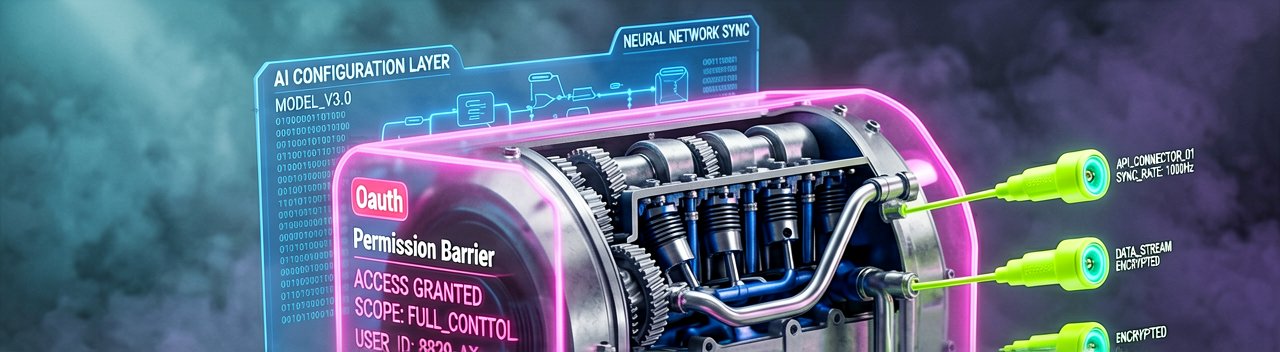
AI tools operate strictly at the configuration and inquiry layer under OAuth 2.0 scoped permissions, meaning they can pull metrics or adjust a rule but cannot touch the core processing. The underlying engine remains entirely deterministic. Extole keeps sub-200ms processing speeds, active fraud detection, and reward validation strictly handled by its proven, machine-governed core infrastructure. This leaves zero room for an AI agent to accidentally distribute unearned rewards.
Behind the Codebase: The friction between marketing's desire for agility and engineering's need for system stability has long been a quiet battleground in enterprise software development. Traditionally, martech platforms treated developer tools as an afterthought, shipping rigid SDKs that felt more like handcuffs than helper libraries. When marketing executives demanded a new reward tier or a sudden shift in multi-step user validation, developers were pulled away from core product roadmaps to fix brittle marketing integrations. Extole's shift toward an AI-ready framework is a calculated attempt to break this cycle by acknowledging that code, not templates, should drive complex user journeys.
By exposing a semantically rich API and utilizing an open-source standard like the Model Context Protocol, the platform addresses a growing frustration among senior architects who find themselves constantly translating marketing goals into programmatic reality. Software teams have historically rejected black-box marketing tools because they introduce unpredictable payloads, untraceable bugs, and security risks. Shifting the architecture to a component-based model gives engineers granular oversight, allowing them to treat marketing workflows with the same continuous integration and testing rigor applied to primary application code.
This architectural shift is hitting the market just as enterprise AI evolves past simple chat interfaces and enters the era of autonomous agents. For years, the martech narrative focused heavily on generative AI for copywriting and image design, leaving infrastructure largely untouched. By structuring their APIs so that large language models can automatically read and manipulate promotional logic, Extole is betting on a future where AI handles the tedious plumbing of software integrations. This means developers can delegate routine API integrations and data-mapping tasks to an AI assistant, freeing them up to focus on high-level architecture and platform scaling.
From an operational standpoint, the financial risks of letting automation anywhere near enterprise rewards cannot be understated. In the past, poorly configured referral logic has led to severe exploit vulnerabilities, costing e-commerce and fintech companies millions in automated bot attacks and unintended duplicate payouts. Industry experts have noted that the success of this platform hinges entirely on its strict separation of AI configuration from runtime execution. By keeping the reward fulfillment engine entirely deterministic and isolated behind scoped OAuth permissions, the system ensures that even if an AI model misinterprets a prompt, the fundamental rules governing fraud prevention and budget caps remain completely ironclad.
Reading Between the Lines: The tech industry’s current rush to label every infrastructure update as "AI-ready" warrants a healthy dose of skepticism, and Extole's latest platform release is no exception. While the integration of the Model Context Protocol is a genuinely clever architectural choice, it highlights a stark contradiction in the modern enterprise stack. Software companies are spending billions to abstract away complex code with natural language interfaces, yet they are simultaneously introducing an entirely new layer of abstract configuration that engineers still have to monitor, debug, and ultimately answer for when things break.
There is an idealistic assumption here that developers will happily hand over integration workflows to autonomous agents and Claude-driven IDEs. In reality, senior engineering teams are notoriously protective of their codebases and highly suspicious of machine-generated configurations. A tool that slashes an integration timeline from weeks to thirty minutes sounds like an executive dream, but it may create a technical debt nightmare if the resulting infrastructure becomes an unreadable tangle of automated API calls that no living engineer truly understands. The real bottleneck in software development has rarely been writing the initial code; it is the long-term maintenance, edge-case debugging, and security auditing that follows.
Furthermore, this shift shifts the operational burden back onto the very marketing teams it claims to liberate. If a non-technical manager can now tweak a complex referral program using plain-language prompts, they are essentially writing code without a safety net. Even with Extole’s deterministic guardrails protecting the runtime execution engine, a semantic misunderstanding between a marketer and an LLM could easily result in poorly targeted campaigns, misallocated budgets, or confusing user experiences that slip past automated QA filters. The line between software engineering and marketing operations is blurring, but the accountability for technical failure still rests firmly on the dev team.
"We are rapidly approaching a surreal milestone in enterprise software where marketing managers will use AI to generate complex promotional logic that they do not understand, while engineers use AI to audit the resulting code that they did not write, leaving everyone involved to pray that the underlying server remains the only adult left in the room."
Artūras Malašauskas is an AI Systems Integrator with 20+ years of production-grade web engineering experience. He has designed, shipped, and scaled enterprise Python/PHP systems for logistics, SaaS, and public-sector clients. For the past year, he has focused exclusively on AI integrations: deploying open-source LLMs, building generative media pipelines (image, audio, video), and engineering multi-agent workflows for real production environments. His standard: reproducibility, security, cost-efficient inference—no vaporware. He documents and evaluates emerging AI tooling, separating verified capabilities from marketing noise. Technical editor at: muza-ai.eu, ai-verslas.lt, ai-naujinos.lt Connect on LinkedIn
Comments