How Coinbase’s AI-Driven Financial Infrastructure Redefines Developer Access to the Crypto Ecosystem
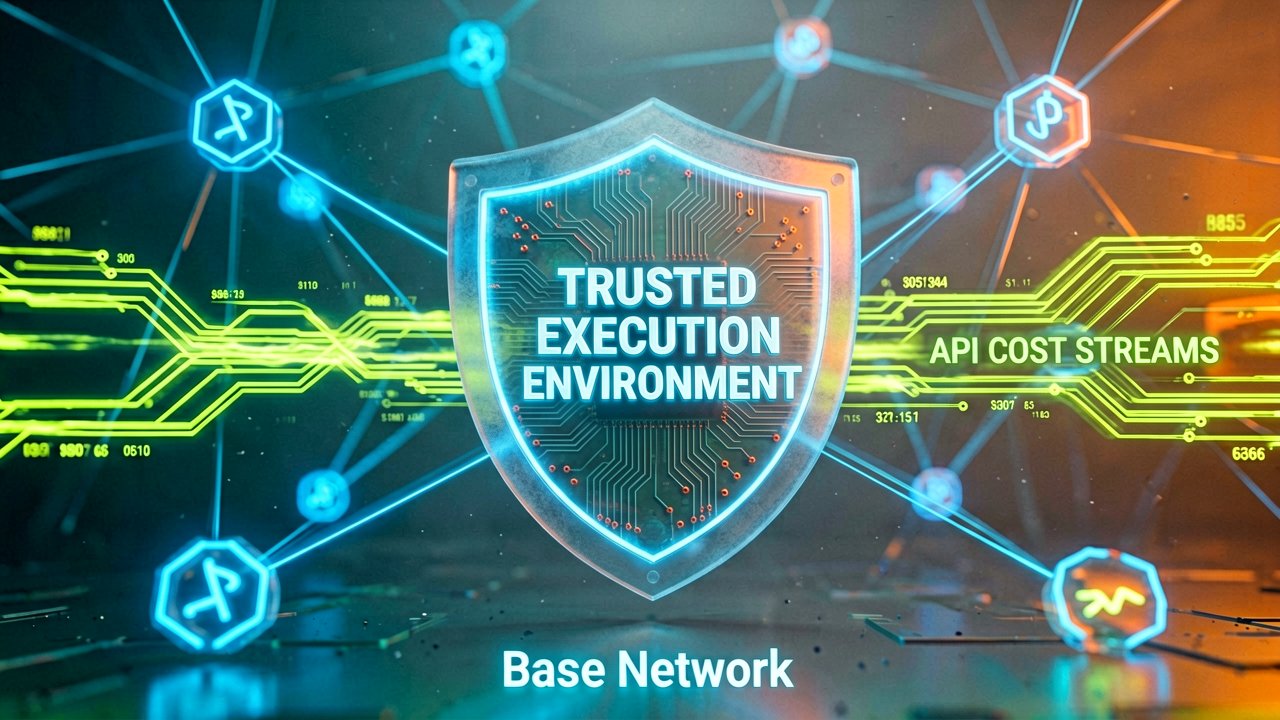
The convergence of artificial intelligence and digital assets has reached a critical inflection point as Coinbase fundamentally restructures the architecture of automated finance. By rolling out a unified developer ecosystem that equips autonomous AI agents with native capabilities for crypto wallets, multi-asset trading, and instant payments, the company is shifting the industry away from human-centric user interfaces toward a machine-to-machine financial economy. This infrastructure pivot transforms digital wallets into programmable operational layers, allowing large language models and intelligent software agents to transact seamlessly on-chain without human friction.
Simultaneously, the launch of Coinbase Advisor—an artificial intelligence-powered investment adviser registered with the Securities and Exchange Commission (SEC)—marks a watershed regulatory milestone. This development legitimizes automated, algorithmically driven wealth management within a strictly compliant framework, offering users real-time portfolio analysis and automated tax-loss harvesting. By legalizing and commercializing an SEC-registered AI adviser, Coinbase bridges the gap between decentralized rails and traditional oversight, mitigating institutional compliance anxieties while expanding consumer access to high-utility automated trading.
The Developer Ecosystem: Empowering Autonomous AI Agents
At the center of this paradigm shift is the expansion of the Coinbase Developer Platform (CDP). Through specialized infrastructure frameworks like AgentKit and CDP Agentic Wallets, developers can now deploy AI agents capable of holding balances in stablecoins, executing complex DeFi rebalancing strategies, and funding their own operational API costs. According to official documentation from the Coinbase Developer Documentation portal, these agents operate via non-custodial server wallets secured within Trusted Execution Environments (TEEs), ensuring private cryptographic keys are entirely insulated from LLM prompt injections. This robust technical boundary guarantees true self-custody while optimizing machine-driven commerce on the high-throughput Base network.
Regulatory Breakthroughs and the Tokenized Wealth Shift
The broader market implications of an SEC-registered AI investment platform extend far beyond retail convenience. By embedding portfolio management models curated by seasoned human investment experts into an immediate, conversational AI interface, the platform democratizes sophisticated capital allocation strategies previously reserved for high-net-worth individuals. As outlined in the official product announcement on the Coinbase Blog, this infrastructure integrates deep liquidity and secure custody to lay the groundwork for upcoming asset expansions, including tokenized equities and derivatives. Consequently, Coinbase is positioning its underlying network as the foundational operating system for the next generation of regulated, autonomous financial applications.

The Architectural Shift Toward Autonomous Value Creation
Behind the Scenes: The launch of this unified infrastructure marks a decisive break from the API paradigms that governed fintech for the last two decades. Traditional financial APIs are structurally rigid, relying on slow batch processing, multi-day settlement cycles, and heavy authentication layers designed exclusively for human intervention. By providing autonomous AI agents with native cryptographic identities and self-custodial wallets on the Base network, Coinbase has effectively eliminated the intermediate clearing houses that historically slowed automated systems down. These intelligent agents can now spin up, fund themselves, and settle cross-border micro-transactions in milliseconds, altering how developers calculate operational latency and software margins.
This paradigm shift triggers a fundamental re-engineering of the developer workflow. Instead of spending months negotiating bank sponsorships or navigating complex payment gateways, software engineers can now embed financial autonomy directly into their software scripts with a few lines of code. For example, an autonomous AI model analyzing real-time web traffic can independently purchase more cloud server space, negotiate the rate, and settle the transaction instantly via stablecoins. This structural evolution effectively shifts the role of digital assets from speculative investment vehicles to the native transactional oil of the software economy.
From a regulatory standpoint, the introduction of an SEC-registered AI investment adviser acts as a calculated buffer against long-standing institutional skepticism. For years, major asset managers hesitated to deploy automated trading agents due to the ambiguous legal responsibilities associated with algorithmic execution and fiduciary duty. By anchoring these machine-driven recommendations within a registered compliance framework, Coinbase offers a Blueprint for how institutional capital can safely interface with on-chain liquidity. This regulatory clarity is already prompting traditional wealth management firms to reconsider their mid-office compliance stacks, preparing for a future where algorithms manage portfolios with minimal human oversight.
The long-term economic implications point toward an unprecedented explosion of machine-to-machine commerce. As these AI agents become more sophisticated, they will no longer simply manage human assets; they will generate independent economic value, trade among themselves, and establish autonomous sub-economies. The emergence of a secure, compliant, and frictionless financial layer ensures that as these software agents scale globally, they possess the foundational tools required to store capital, deploy liquidity, and drive the expansion of automated commerce.

The Friction of Machine Fiduciary and Practical Limits
Reading Between the Lines: While the promise of an autonomous economy captures market enthusiasm, the structural reality of an AI-driven fiduciary exposes deep-seated technical and legal paradoxes. Wall Street and Silicon Valley have spent years positioning algorithms as neutral, error-free execution layers, yet the legal classification of an SEC-registered investment adviser fundamentally demands accountability. By designating as a fiduciary, Coinbase assumes the highest legal standard of customer care under U.S. financial law. Translating the ambiguous, probabilistic outputs of large language models into rigid legal accountability creates an operational paradox, especially when rapid, unexpected market shifts trigger systemic flash crashes across volatile digital assets.
Furthermore, early empirical assessments of decentralized autonomous agents challenge the current narrative surrounding automated wealth creation. Landmark academic research examining token holder balances across emerging automated platforms revealed a glaring economic divergence, showing that while agentic treasuries accrued significant paper gains, individual retail token holders collectively suffered staggering net losses. Skeptics emphasize that many systems heavily marketed as fully autonomous protocols are, upon closer technical inspection, simply basic API integrations executing static, pre-programmed code loops. This operational gap indicates that true independent, self-directed strategic decision-making remains a distant goal, masked by highly polished product marketing and developer interfaces.
The broader strategy also signals an aggressive pivot from a pure-play cryptocurrency gateway toward an integrated, all-encompassing financial platform. As outlined in comprehensive coverage by CoinDesk, the underlying ambition is to transition Coinbase into an "everything exchange" that unifies traditional stocks, derivatives, options, pre-IPO perpetual futures, and tokenized financial assets under a singular dashboard. Leveraging automated AI agents to navigate this massive, multi-asset landscape serves as a brilliant consumer retention mechanism, yet it also exposes retail traders to a compounding web of risk. Ultimately, masking highly complex, leveraged financial instruments behind the frictionless, friendly chat interface of an AI assistant could easily lead users to unknowingly take on excessive capital risk under the comforting guise of official regulatory compliance.
"We have finally achieved the ultimate financial milestone: creating a legal framework where software can officially lose your life savings on your behalf, around the clock, while assuring you in fluent, empathetic English that everything is going precisely according to the algorithm."
Artūras Malašauskas is an AI Systems Integrator with 20+ years of production-grade web engineering experience. He has designed, shipped, and scaled enterprise Python/PHP systems for logistics, SaaS, and public-sector clients. For the past year, he has focused exclusively on AI integrations: deploying open-source LLMs, building generative media pipelines (image, audio, video), and engineering multi-agent workflows for real production environments. His standard: reproducibility, security, cost-efficient inference—no vaporware. He documents and evaluates emerging AI tooling, separating verified capabilities from marketing noise. Technical editor at: muza-ai.eu, ai-verslas.lt, ai-naujinos.lt Connect on LinkedIn
Comments