Databricks' LTAP Redefines Data Processing Paradigms, Sparking Industry Transformation
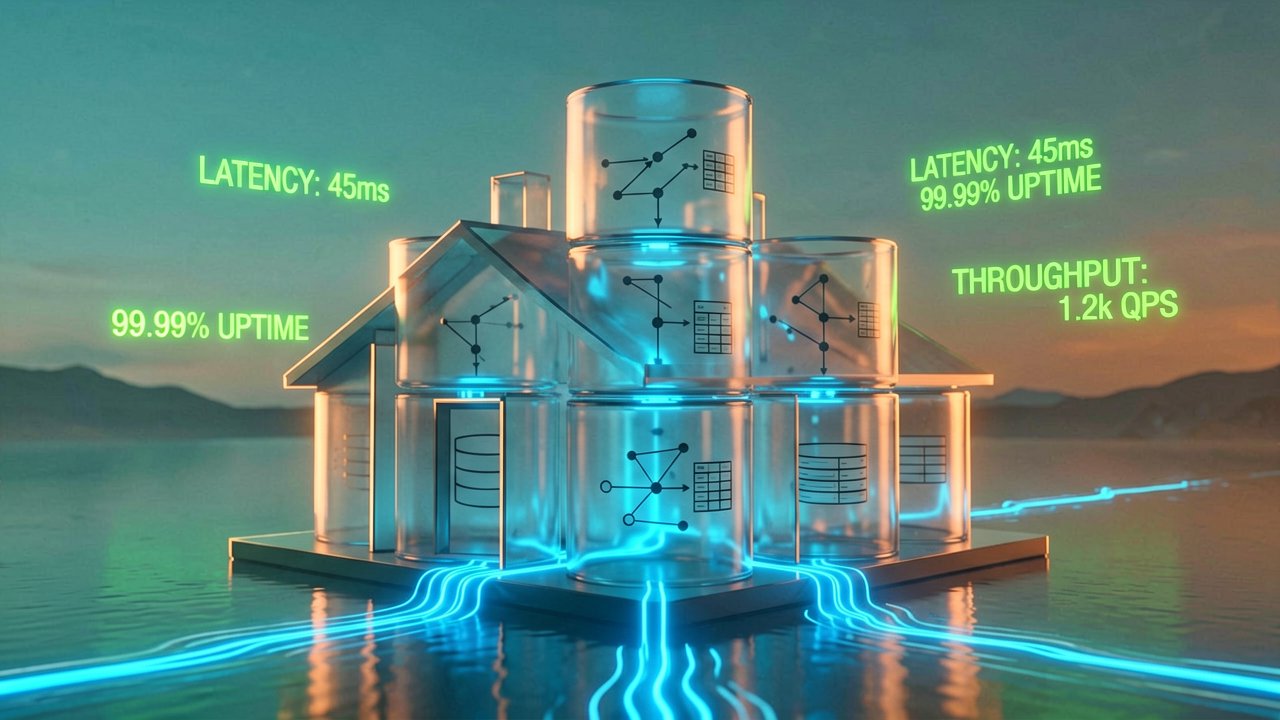
Databricks has unveiled Lake Transactional/Analytical Processing (LTAP), a major architectural evolution that unifies transactional (OLTP) and analytical (OLAP) workloads on a single, open-format data copy within the cloud data lakehouse. Announced at the company's annual Data + AI Summit, this framework eliminates the need for expensive extract, transform, load (ETL) pipelines, data replication, and separate infrastructure silos that have fragmented enterprise architectures for forty years. By collapsing these boundaries, the technology yields immediate availability of operational data for real-time querying and downstream analytical evaluation.
The system builds directly upon the vendor's specialized Lakebase data platform, a serverless PostgreSQL-compatible database architecture designed to separate database computing from its physical storage layer. LTAP writes incoming transactional inputs natively into open columnar storage formats, including Delta Lake and Apache Iceberg, while maintaining full PostgreSQL application semantics and performance. This strategic choice enables standard operational software to run without disruption, while parallel analytical engines gain latency-free access to live production records without risking production workloads.
A Paradigm Shift for Agentic AI Infrastructure
The primary catalyst for this technical consolidation stems from the massive industry pivot toward autonomous, agentic AI ecosystems. Legacy data pipelines introduces a latency overhead that modern AI agents, which continuously execute loop operations and code generation, cannot afford. According to leadership at Forbes , the infrastructure supporting the past era of enterprise computing creates a critical barrier for AI performance. By consolidating operations onto a single source of truth, autonomous agents can instantly read live operational data alongside deep historical context, allowing for faster decision-making cycles.
Market Impact and Architectural Independence
From a market standpoint, this innovation isolates compute resource allocation while consolidating data storage layers, allowing enterprises to scale transactions and analytics independently. Companies utilizing the framework no longer bear the financial or operational burden of running parallel transactional and analytical engines with distinct governance models. By combining this consolidated backend with newly released real-time engines like Lakehouse//RT, the platform delivers sub-100 millisecond query latencies. This architectural change shifts the focus of enterprise data management from brittle pipeline maintenance to active, data-driven automation.

Behind the Architectural Breakthrough
The realization of Lake Transactional/Analytical Processing resolves a structural tension that has forced enterprise architects to choose between operational speed and analytical depth for decades. Historically, organizations relied on a strict separation of concerns, routing high-frequency transactional data into traditional relational databases before batching it through fragile ETL processes into specialized analytical platforms. This multi-layered approach created inherent data lag, introduced substantial cloud egress fees, and complicated regulatory compliance. By decoupling database computing from physical storage and enforcing strict system resource isolation, the new architecture enables operational and analytical workloads to run on a single, shared data copy without cross-workload resource contention.
This structural change directly answers the operational limitations of Hybrid Transactional/Analytical Processing, an earlier industry approach that struggled to scale effectively. Legacy HTAP systems frequently suffered from performance degradation, as intense analytical queries competed for the same compute resources required by real-time transactions, often forcing teams to compromise on query complexity or accept slower system responses. By executing analytical workloads directly against open columnar formats like Delta Lake and Apache Iceberg while maintaining complete PostgreSQL compatibility for operational tasks, this modern design removes performance compromises. Industry analysts note that this shift essentially commoditizes the traditional middle-tier data pipeline, moving the enterprise focus from complex infrastructure maintenance to immediate data utility.
The broader market implications of this consolidation are reshaping vendor dynamics across the entire cloud data ecosystem. Legacy database providers and specialized cloud data warehouse vendors face renewed pressure to justify the complexity and expense of maintaining independent transactional and analytical environments. For corporate data teams, this architecture significantly streamlines administrative workloads by unifying security models, access controls, and data governance policies under a single, central platform. Software developers can build applications that immediately reflect real-time analytical insights, enabling highly adaptive operational workflows that were previously impossible due to multi-hour batch latencies.
Ultimately, this architectural shift lays the foundational data infrastructure required for the next generation of autonomous enterprise software and agentic AI systems. Modern AI agents require immediate, low-latency access to the latest operational events alongside deep historical analytics to make accurate, real-time decisions without human intervention. By removing the transactional-analytical barrier, enterprises can deploy autonomous agents that actively monitor, analyze, and optimize business processes as they occur. This structural convergence positions the unified data lakehouse not just as a repository for historical records, but as a responsive operational foundation for automated enterprise decision-making.
Reading Between the Lines: The Reality of Total Architectural Convergence
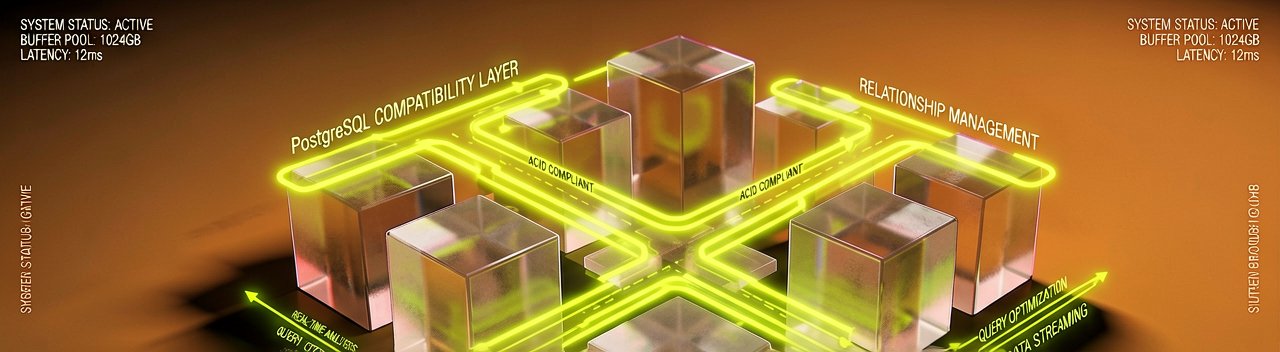
While the elimination of the forty-year-old database divide presents a compelling narrative of streamlined efficiency, the claim that enterprise data pipelines are entirely dead deserves healthy skepticism. Decoupling database computing from a shared storage layer allows concurrent workloads to scale independently on paper, but production environments often reveal unpredicted friction points. The underlying reality is that transactional applications thrive on row-oriented architectures optimized for rapid writes, whereas analytical engines depend on heavily compressed, column-oriented layouts for scanning massive datasets. Forcing a single architecture to excel at both native PostgreSQL operations and massive cloud-scale analytics risks introducing subtle software overheads that could impact performance under peak corporate workloads.
Furthermore, the strategic push toward open formats like Delta Lake and Apache Iceberg introduces an unacknowledged tension between open-source ideals and vendor lock-in. A platform that claims to remove proprietary friction by relying on universal formats still builds its entire management ecosystem around proprietary serverless infrastructure, specialized governance layers, and custom query optimization algorithms. This dynamic sets up a complex architectural tradeoff for enterprise buyers. The data files themselves remain open and portable, but the sophisticated, sub-millisecond coordination required to safely modify those files during massive parallel analytical queries remains tightly bound to a specific vendor's cloud ecosystem.
The sudden focus on building data infrastructure specifically for autonomous AI agents also highlights a major contradiction in how corporate readiness is evaluated. Vendor marketing assumes that the primary barrier to deploying effective corporate AI is database latency and pipeline complexity. However, the true bottlenecks for enterprise automation are consistently rooted in poor data quality, broken schemas, incomplete metadata, and fragmented regulatory compliance across historical business silos. Removing data latency from a disorganized data environment simply allows an autonomous AI agent to make flawed decisions and hallucinate incorrect conclusions at an unprecedented, real-time pace.
Over the long term, this market consolidation will likely trigger a defensive wave of technical maneuvering from legacy database giants and specialized cloud data warehouse providers. To protect their established market share, traditional database vendors are rapidly retrofitting their own platforms with columnar extensions, while dedicated analytics providers are scrambling to acquire or develop operational database engines. As these tech platforms race to overlap each other's core functionalities, enterprise technology buyers will face a noisy marketplace of identical architectural claims, shifting the real challenge from managing data pipelines to managing vendor sprawl.
"We spent the last four decades building elaborate, expensive data pipelines to solve a fundamental storage problem, only to discover that the ultimate solution is building an elaborate, expensive platform that removes the pipelines altogether. In the end, the grand unification of data infrastructure guarantees one thing above all else: cloud infrastructure bills will remain remarkably consistent, regardless of whether your compute cycles are spent transforming data or merely pretending you no longer need to."
Artūras Malašauskas is an AI Systems Integrator with 20+ years of production-grade web engineering experience. He has designed, shipped, and scaled enterprise Python/PHP systems for logistics, SaaS, and public-sector clients. For the past year, he has focused exclusively on AI integrations: deploying open-source LLMs, building generative media pipelines (image, audio, video), and engineering multi-agent workflows for real production environments. His standard: reproducibility, security, cost-efficient inference—no vaporware. He documents and evaluates emerging AI tooling, separating verified capabilities from marketing noise. Technical editor at: muza-ai.eu, ai-verslas.lt, ai-naujinos.lt Connect on LinkedIn
Comments