Apple’s High-Stakes Gamble: The iPhone 18 Pro Max and the Long-Awaited Foldable Debut
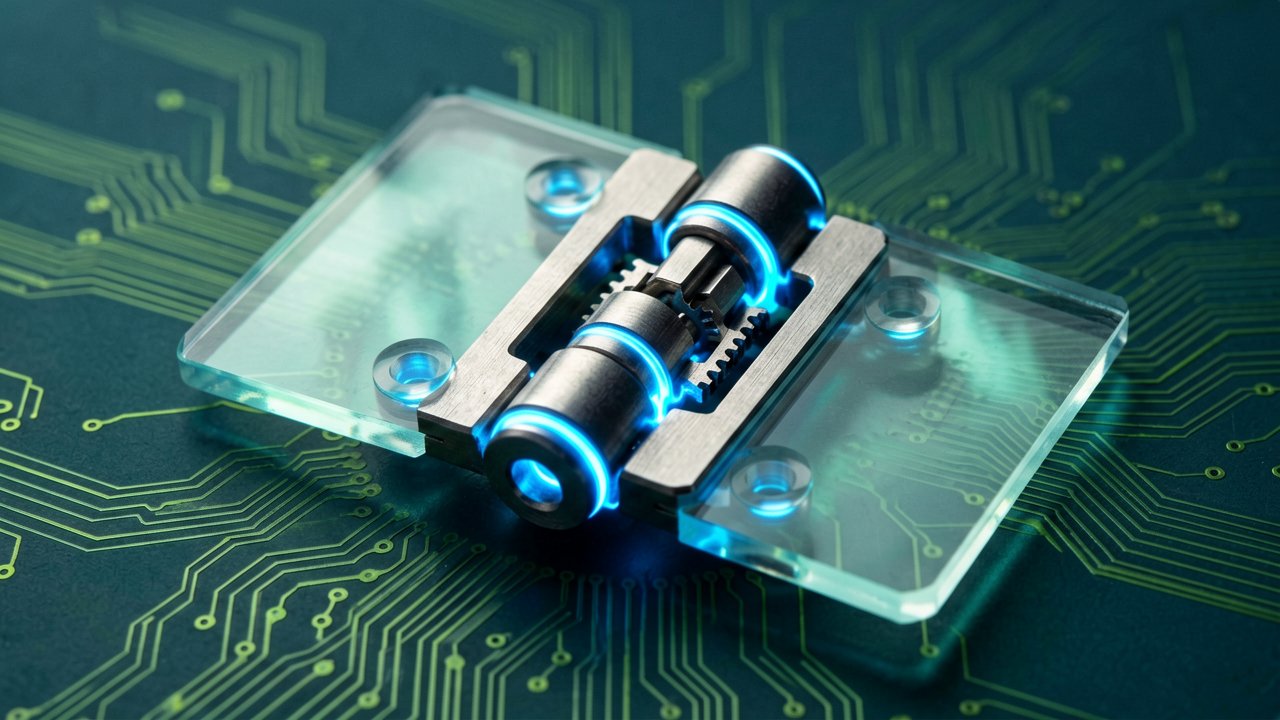
Apple has finally shaken up its traditional hardware playbook, stepping directly onto Samsung and Huawei’s home turf. The tech giant has officially pulled back the curtain on its highly anticipated iPhone 18 Pro Max alongside its very first flexible handset, marking a monumental pivot in the company's global smartphone strategy. This massive dual-device reveal, thoroughly dissected by analysts at RS Web Solutions, signals that Cupertino is no longer content watching from the sidelines of the premium folding market.
It is a bold, necessary move for a lineup that many critics felt was sliding into incremental complacency. By moving its heaviest hitters to the forefront, Apple isn't just releasing new phones; it’s rewriting its entire operational timeline to capture early-adopter wallets before the standard models even hit the assembly line.
The Staggered Strategy and What it Means
In a fascinating departure from the standard four-model September blitz, Apple is shifting to a two-phase rollout structure. The premium duo—the powerhouse iPhone 18 Pro Max and the newly minted foldable—will lead the charge globally this fall, while the standard, more budget-friendly iPhone 18 variants are being intentionally benched until early next year. Splitting the launch helps Apple dodge the brutal supply chain bottlenecks that have historically plagued its most advanced components, especially with the staggering manufacturing complexities tied to flexible glass panels.
Under the Hood: Next-Gen Power and Creative Lenses
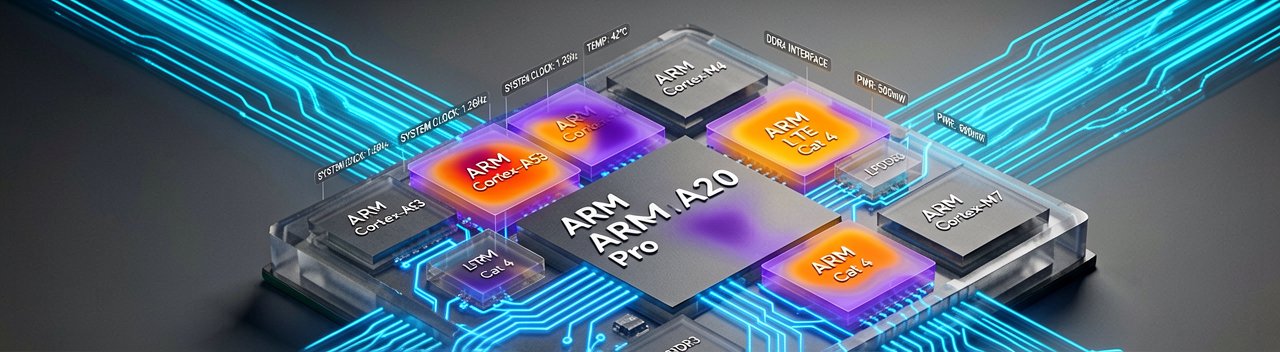
The silicon under the hood is where things get truly serious. Both flagship devices are rumored to run on the trailblazing 2-nanometer A20 Pro chipset, coupled with a generous 12GB of RAM to handle intensive, on-device artificial intelligence tasks seamlessly. According to detailed supply chain insights published by GSM Arena, the foldable variant is expected to boast an expansive 7.8-inch main inner display paired with a functional 5.3-inch outer cover screen. Meanwhile, the more traditional iPhone 18 Pro Max keeps its familiar slab form factor but swings hard at mobile photographers with an advanced, variable-aperture 48-megapixel primary camera system designed to dominate low-light environments.

The $2,000 Spectacle vs. The Safety Net
Cupertino is playing a calculated psychological game here. The first-generation foldable represents the ultimate jaw-dropping spectacle, but its bleeding-edge design will naturally command an eye-watering premium that only enthusiasts can justify. On the flip side, the iPhone 18 Pro Max acts as the ultimate safety net—a incredibly polished, hyper-powerful iteration of the reliable form factor millions of users already trust implicitly.
An Analytical Deep-Dive: Apple's High-Stakes Leap into Flex-Glass
Behind the Scenes: Apple's pivot to a staggered launch isn't just a marketing gimmick; it is a calculated defense mechanism against supply chain volatility. For years, Cupertino watched competitors iterate through hinge failures and screen creases, treating the foldable market as a massive, consumer-funded beta test. By waiting until manufacturing yields for ultra-thin glass reached strict internal thresholds, Apple minimized the reputational risk that typically plagues first-generation hardware categories.
Industry insiders suggest that the decision to delay the baseline iPhone 18 models until early next year reveals a deeper operational anxiety. Sourcing enough pristine 2-nanometer wafers from TSMC while simultaneously scaling a highly complex dual-axis hinge mechanism strained Apple’s logistics network to its absolute limit. Prioritizing the ultra-premium tier ensures that the highest-margin devices absorb the brunt of early production inefficiencies, protecting the company's overall hardware gross margins during a crucial fiscal quarter.
This strategy also completely disrupts the traditional carrier upgrade cycle, which has long relied on a predictable, multi-device autumn rush. Telecom giants are now forced to reconfigure their promotional calendars, splitting their marketing budgets between a high-end holiday showcase and a mainstream winter push. While this fragmentation poses a headache for retail partners, it grants Apple an extended news cycle, keeping the brand firmly in the headlines for six consecutive months instead of just one.
Long-time market observers view this dual-device launch as a direct response to maturing smartphone penetration in Western markets. With consumers holding onto their devices for record lengths of time, incremental camera updates are no longer enough to trigger massive upgrade supercycles. The first-generation foldable provides the necessary visual differentiation to convince wealthy tech enthusiasts to upgrade early, while the Pro Max captures the affluent pragmatists who demand peak performance without structural experimentation.
Ultimately, the success of this hardware gamble hinges entirely on how seamlessly the software ecosystem adapts to the new form factor. While Android competitors have spent years tweaking their interfaces for split-screen multitasking, Apple’s developer community must now rapidly optimize millions of apps for an entirely new aspect ratio. If Cupertino can replicate its trademark software synergy on a folding canvas, it may very well redefine the category; if not, it risks selling an incredibly expensive novelty in an increasingly skeptical economic climate.
The Architectural Reality Check
Reading Between the Lines: The narrative surrounding Apple’s sudden entry into foldables paints a picture of a triumphant engineering breakthrough, but the underlying mechanics suggest a strategy born out of architectural compromise. For nearly a decade, Cupertino dismissed the foldable form factor as an unpolished gimmick, choosing instead to focus its long-term spatial computing ambitions on headsets. The sudden elevation of a folding display to flagship status looks less like a natural evolution and more like a tactical pivot, acknowledging that wearable augmented reality is still years away from mainstream commercial viability.
There is an inherent contradiction in launching a device powered by a cutting-edge 2-nanometer processor alongside a physical chassis that must inherently compromise on thermal dissipation. Foldable smartphones are notorious engineering nightmares when it comes to heat management, as the split internal layout forces developers to cram batteries and logic boards into separate, ultra-thin halves. Forcing the highly anticipated A20 Pro chip to throttle its performance just to keep a folding chassis from overheating directly undermines the premium "Pro" moniker Apple is charging a fortune for.
Furthermore, this dual-release creates an unprecedented internal rivalry within Apple’s own ecosystem, effectively turning the iPhone 18 Pro Max into a legacy device at the exact moment of its birth. By marketing the foldable as the definitive future of the smartphone, Apple inadvertently signals to its most loyal, high-spending consumer base that the traditional slab-style flagship is now a secondary priority. This risks cannibalizing the very product line that has reliably anchored the company's financial balance sheets for the last decade.
The global economic landscape also adds a layer of stark skepticism to this ultra-luxury rollout. Launching two distinct devices that comfortably push past the thousand-dollar threshold assumes an insatiable appetite for premium tech during a period of widespread consumer tech fatigue. While early adopters will undoubtedly clear out initial inventory, sustaining this momentum into the broader market will require more than just engineering novelty—it will require a fundamental shift in how everyday users justify the utility of a pocketable tablet.
Historically, Apple's greatest trick has been convincing the world that they invented a technology merely by arriving late to the party with a cleaner UI and a steeper price tag; only time will tell if consumers are willing to pay a two-thousand-dollar admission fee just to watch Cupertino discover the hinge.
Artūras Malašauskas is an AI Systems Integrator with 20+ years of production-grade web engineering experience. He has designed, shipped, and scaled enterprise Python/PHP systems for logistics, SaaS, and public-sector clients. For the past year, he has focused exclusively on AI integrations: deploying open-source LLMs, building generative media pipelines (image, audio, video), and engineering multi-agent workflows for real production environments. His standard: reproducibility, security, cost-efficient inference—no vaporware. He documents and evaluates emerging AI tooling, separating verified capabilities from marketing noise. Technical editor at: muza-ai.eu, ai-verslas.lt, ai-naujinos.lt Connect on LinkedIn
Comments