When Optimism Meets Reality: Apple's AI Hype and the Stock Market's Cold Shoulder
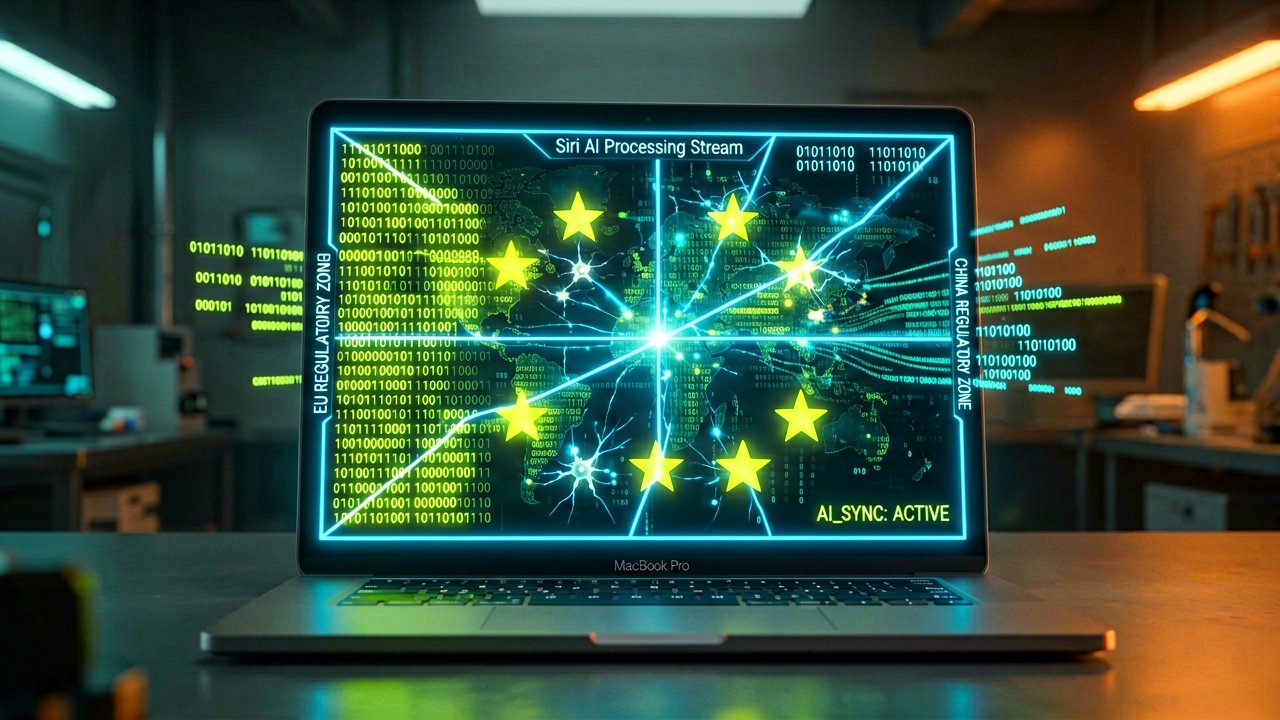
There was a time when the mere mention of a new software architecture from Cupertino could send Wall Street into a buying frenzy. But times change, and the magic has grown heavier. Apple’s latest Worldwide Developers Conference was supposed to be the definitive coronation of its artificial intelligence era, a triumphant showcase where Siri would shed its digital cobwebs and emerge as a hyper-intelligent, large language model-driven powerhouse. Instead, the market looked at the sleek demos, checked its watch, and promptly cut the tech giant down to size. In a brutal reality check, Apple’s stock tumbled 4.4% on the heels of the presentation, logging its steepest single-day decline in months.
The immediate catalyst for the sell-off was not a lack of technological ambition, but a familiar corporate roadblock: timing. While Apple executives enthusiastically painted a picture of a deeply integrated, privacy-first ecosystem powered by "Apple Intelligence," the fine print revealed that this revolutionary future is still miles away from consumer pockets. The overhauled Siri AI arrived only as a developer beta, with a broad consumer rollout delayed and staggered, entirely bypassing major international markets like the European Union and China due to mounting regulatory hurdles. For investors who have spent the last two years watching rivals actively ship generative AI products, another prolonged wait-and-see timeline felt less like a measured strategy and more like a company scrambling to catch up.
The Disconnect Between Bulls and the Boardroom
What makes the market's cold shoulder particularly jarring is the sharp divide between institutional analysts and the actual movement of the ticker. Behind the scenes, the investment community remains largely optimistic about Apple's monetization roadmap. A comprehensive report by CNBC highlighted that prominent Wall Street firms are keeping their bullish stances intact, wagering that the strict hardware requirements of the new Siri AI will eventually trigger an unprecedented iPhone upgrade cycle. Because older models lack the raw memory needed to process localized, on-device AI workloads, millions of users will theoretically be forced to buy newer hardware just to keep pace with the software ecosystem.
Yet, trading floors operate on momentum and immediate revenue viability, two things the keynote lacked. Analysts from Needham pointed out that the presentation offered no clear answers on how Apple intends to up-charge for these tools or offset the massive infrastructure costs associated with running heavy cloud models. When a tech giant relies on a cloud network built with help from Google and Nvidia just to match the basic conversational capabilities of existing chatbots, the premium valuation of the stock starts to look incredibly fragile. The era of blind faith in tech narratives has officially drawn to a close; investors now demand to see the balance sheet behind the brainpower.

The Silicon Valley ecosystem is experiencing a profound identity crisis, and Apple’s current tightrope walk perfectly encapsulates the shift. For over a decade, the tech sector thrived on a well-worn playbook: promise the future today, inflate the valuation tomorrow, and figure out the infrastructure later. But as generative AI transitions from a novel parlor trick into a permanent fixture of consumer computing, the financial markets are no longer buying tickets for the hype train. The initial shock of the stock drop serves as a stark reminder that the era of the dazzling tech demo is dead, replaced by a ruthless demand for immediate utility and clear monetization strategies.
At the heart of the skepticism lies a deeper philosophical question about what an AI ecosystem should actually look like. While competitors have raced to deploy massive, resource-hungry cloud models that operate as separate applications, Cupertino opted for a deeply embedded, quiet assistant approach. The strategic bets placed on localized, on-device processing are designed to protect user data, but they also severely limit the computational muscle available at launch. By making privacy its primary selling point, the company inadvertently handcuffed its new software, forcing early iterations to look remarkably similar to tools that competitors had already open-sourced a year prior.
The Realities of a Fractured Global Rollout
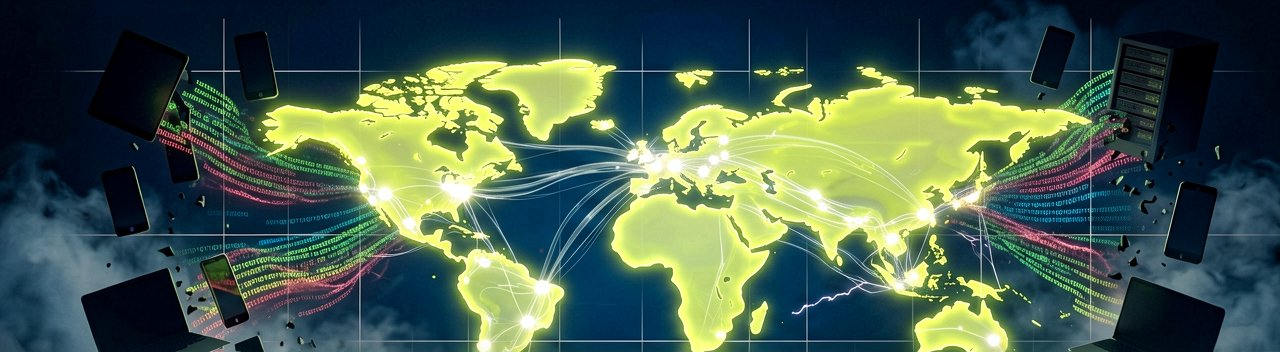
Compounding these architectural hurdles is the harsh reality of modern geopolitical fracturing. Operating a global tech empire was once a matter of software localization and local marketing campaigns, but AI has triggered a wave of hyper-nationalistic regulatory blowback. The decision to delay features in the European Union under the shadow of the Digital Markets Act, coupled with ongoing compliance struggles in China, means Apple's grand AI upgrade cycle is effectively missing two of its largest economic engines. The financial community recognizes that a superpower without global reach is merely a regional player, and until these regulatory impasses are resolved, the projected upgrade supercycle remains localized speculation.
Ultimately, the market’s cold shoulder may turn out to be a temporary course correction rather than a permanent rejection. The technology industry moves in distinct waves of inflation and consolidation, and this sudden dose of economic realism might provide the exact pressure needed to streamline the rollout. History shows that the company rarely wins the race to be first, but it frequently wins the race to be frictionless. Whether the current executive team can successfully convert this heavy infrastructure investment into a seamless consumer habit before investor patience completely evaporates is the trillion-dollar question hanging over the valley.
The ultimate arbiter of Apple's ambitious AI gamble will not be the algorithmic trading desks of Wall Street, but the unpredictable court of everyday consumer habit. Stocks fluctuate on the volatility of quarterly expectations, yet cultural dominance is forged through the invisible friction of daily utility. If the revamped assistant truly transforms the smartphone from a passive window into an active, proactive partner that anticipates user needs, the initial four percent market dip will look like a microscopic blip on a historic chart. The financial sector routinely misjudges the slow-burning fuse of consumer adoption, prioritizing immediate line-item revenue over deep-seated behavioral shifts.
This structural friction highlights a fundamental truth about the current state of technology: we have reached peak saturation for standalone applications. Consumers are exhausted by the endless carousel of separate subscriptions, disjointed chatbots, and fragmented web tools. Cupertino’s long-term play relies entirely on this fatigue, betting that users will choose a slightly less powerful, deeply integrated system over an isolated, ultra-intelligent alternative. It is a calculated gamble on convenience, wagering that a tool seamlessly woven into text messages, calendar invites, and photo libraries will always triumph over a superior engine trapped inside a separate web browser tab.
The Price of Changing the Playbook
Yet, pioneering a quieter, more utilitarian approach to artificial intelligence requires an unprecedented level of corporate patience. The tech giant is forcing its investors to shift their gaze away from the rapid-fire deployment metrics of the cloud era and focus instead on the slow, methodical expansion of physical silicon capability. This paradigm shift demands that Wall Street value a technology company more like a traditional luxury manufacturer—one whose true worth lies in the long-term integrity of its ecosystem and the unmatched retention rate of its customer base, rather than the explosive viral growth of a software download.
As the dust settles on this latest cycle of market anxiety, the broader tech landscape must reckon with the new rules of engagement. The wild-west era of launching unpolished, hallucination-prone models to satisfy shareholder demand is hitting a wall of economic pragmatism. By absorbing the market's initial blowback, Apple may have inadvertently set a new benchmark for the industry, signaling that the future belongs to those who prioritize structural stability and consumer trust over the frantic pursuit of a temporary headline.
Artificial intelligence was promised as a revolution that would rewrite the rules of human civilization overnight, but its final destination looks much more mundane: it is destined to become just another invisible utility, quietly managed by the same corporate stewards who convinced us we couldn't live without a glass rectangle in our pockets.
Artūras Malašauskas is an AI Systems Integrator with 20+ years of production-grade web engineering experience. He has designed, shipped, and scaled enterprise Python/PHP systems for logistics, SaaS, and public-sector clients. For the past year, he has focused exclusively on AI integrations: deploying open-source LLMs, building generative media pipelines (image, audio, video), and engineering multi-agent workflows for real production environments. His standard: reproducibility, security, cost-efficient inference—no vaporware. He documents and evaluates emerging AI tooling, separating verified capabilities from marketing noise. Technical editor at: muza-ai.eu, ai-verslas.lt, ai-naujinos.lt Connect on LinkedIn
Comments