Apple’s iPhone 18 Pro Lineup Leaks Wide Open: 2nm A20 Pro Silicon, Smarter Siri, and a Major Release Shake-up
The tech world's favorite guessing game just lost its mystery. A massive wave of supply chain leaks has completely exposed Apple's upcoming hardware strategy, laying bare the specific upgrades planned for the iPhone 18 Pro and iPhone 18 Pro Max ahead of the company's traditional fall announcements. The leaks clarify a highly unusual staggered release timeline, confirming that the Cupertino giant will officially introduce its premium Pro handsets in September 2026, while pushing the entry-level standard models back to a spring 2027 launch window. This bold operational shift is designed to clear the runway for a premium holiday sales surge and give Apple's long-rumored folding flagship breathing room to capture the spotlight.
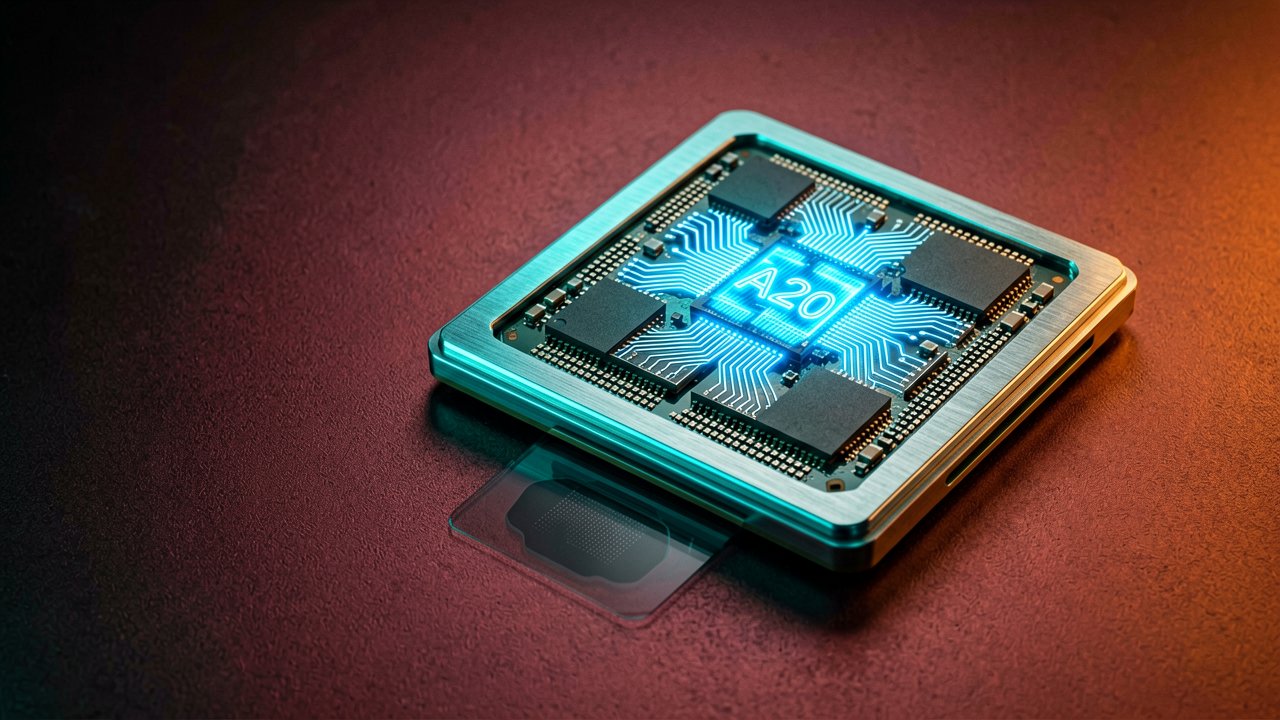
At the center of this product evolution is a profound internal overhaul driven by TSMC's cutting-edge 2-nanometer manufacturing process. According to comprehensive technical summaries published by Macworld , the upcoming A20 Pro system-on-a-chip leverages specialized Wafer-Level Multi-Chip Module integration. This advanced architecture packages the RAM directly onto the main processor wafer alongside a massively scaled Neural Engine. The result is a substantial leap in battery efficiency and a crucial hardware pipeline for the next generation of Apple Intelligence, giving the devices the raw local horsepower needed to run complex, low-latency machine learning models directly on the handset.
Deep AI Integration and Redesigned Visuals
This localized silicon strength ties perfectly into Apple's reimagined software roadmap. Following the official preview of its sophisticated "Siri AI" system, detailed by MacRumors , the virtual assistant is shedding its basic command-and-control past for genuine on-screen awareness and personal contextual understanding. This systemic revamp allows the assistant to securely index messages, emails, and active applications to execute complex cross-app workflows. To facilitate these continuous contextual interactions, Apple is introducing a dedicated, standalone assistant application as part of its upcoming software ecosystem, ensuring users have a permanent conversational interface for multi-turn queries.
Physically, the premium lineup balances familiar ergonomics with localized aesthetic changes. Component tracking notes surfaced by CNET indicate that the hardware will retain its familiar structural dimensions—including an identical 8.75mm thickness—but will sport a significantly smaller Dynamic Island. Engineers achieved this look by migrating the primary Face ID flood illuminator sensors entirely underneath the active LTPO+ display panel. Additionally, early manufacturing dummies reveal that Apple is replacing its prior orange accent finish with a sophisticated, wine-tinged "Dark Cherry" titanium color scheme, accompanied by unified back-glass tinting that minimizes visual contrast against the metal frame.

Advanced Optics and Custom Modems
The photography department is also receiving an overdue upgrade. The primary 48-megapixel Fusion camera sensor will feature a physical variable aperture system for the first time in iPhone history. This mechanical advancement allows the camera to adaptively regulate physical light intake, delivering authentic, optical depth-of-field control and sharper low-light image processing rather than relying strictly on software blur. This heavy-duty optical cluster will be powered by a beefier internal battery stack, with maximum physical capacities expected to reach over 5,000 mAh on the larger Pro Max model to support heavy usage cycles.
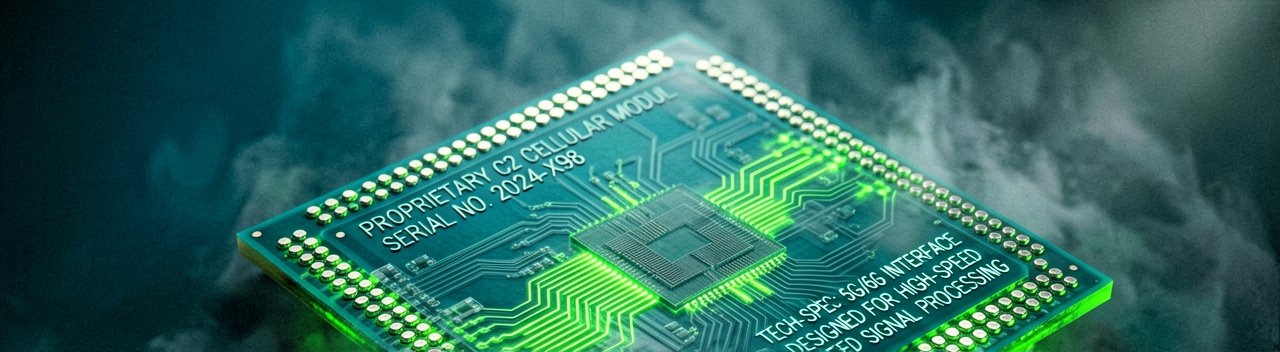
The final piece of Apple's independence strategy lands within the network stack. Industry analysis verified by Mashable ME confirms that the iPhone 18 Pro series will mark the official debut of the custom-designed C2 cellular modem. Moving away from third-party Qualcomm modems allows Apple to deeply optimize its 5G energy consumption. More importantly, this proprietary silicon upgrade is slated to expand global satellite connectivity options, paving the way for full satellite-backed data roaming and internet browsing rather than confining the emergency overhead network to standard text alerts.
Behind the Supply Chain Veil: Apple's decision to shift to a staggered release window represents far more than a simple logistics adjustment; it is a calculated gamble on consumer psychology and manufacturing yield realities. For over a decade, the late-summer iPhone launch cycle operated like clockwork, reliably anchoring Apple's fourth-quarter earnings. However, insider reports out of Foxconn's Zhengzhou facilities suggest that the sheer complexity of TSMC's 2-nanometer node forced Tim Cook's executive team to make a stark operational compromise. Rather than delaying the entire lineup and missing the critical holiday quarter, Apple chose to prioritize the high-margin Pro models, capturing affluent early adopters first while buying precious time to stabilize mass production for the standard, volume-driven models later in the spring.
This operational pivot has sent ripples through the broader semiconductor industry, highlighting a growing tension between Apple and its primary chipmaker, TSMC. While Wall Street routinely demands explosive year-over-year performance gains, silicon physics are hitting a wall. The transition to the 2nm node represents the commercial debut of Gate-All-Around (GAA) transistor architecture for Apple's chips, replacing the long-standing FinFET design. Historically, such radical architectural shifts are plagued by low initial wafer yields. By confining this cutting-edge silicon strictly to the premium Pro handsets initially, Apple insulates its bottom line from manufacturing bottlenecks, effectively letting its most expensive hardware absorb the steep upfront costs of next-generation chip production.
The Geopolitical Tug-of-War Over Localized AI
Beyond the factory floor, the iPhone 18 Pro's deeply integrated "Siri AI" is driving Apple into a complex geopolitical minefield. Running multi-turn, contextual AI workloads directly on a handheld device requires massive localized memory bandwidth, which explains the necessity of the A20 Pro's multi-chip module packaging. However, regulatory frameworks worldwide are moving faster than the technology itself. While European Union antitrust regulators closely scrutinize Apple's data-indexing practices under the Digital Markets Act, officials in Beijing have made it clear that foreign AI models must pass strict domestic censorship reviews. Consequently, Apple's software engineers find themselves building highly fragmented regional versions of the same operating system, a massive departure from the unified global software experience the company spent decades perfecting.
This regional fragmentation presents a unique challenge for Apple’s executive suite, which has historically resisted tailoring its core operating system features to appease local governments. Senior software architects inside Cupertino reportedly fear that a patchwork AI ecosystem could dilute the brand's premium identity, creating a scenario where an iPhone purchased in Paris offers a fundamentally different intelligence experience than one bought in New York or Tokyo. To counter this, Apple is quietly expanding its localized data center footprint, aiming to supplement on-device processing with secure, private cloud clusters that can dynamically adapt to local legal frameworks without compromising the core functionality of the new assistant app.
Mechanical Constraints Meet Optical Ambitions
Meanwhile, the mechanical engineering team has faced its own quiet battle balancing the phone's physical footprint with its ambitious camera upgrades. Integrating a true variable aperture mechanism into an 8.75mm chassis is a monumental packaging puzzle. Traditional mechanical shutters require moving blades that consume valuable physical space, space that would otherwise be allocated to the lithium-ion battery. Industry analysts note that Apple's engineering team managed to minimize this footprint by utilizing a specialized shape-memory alloy actuator, bypassing bulky traditional electromagnets. This allows the primary sensor to dynamically adjust light intake without adding noticeable bulk to the camera bump, preserving the device's sleek ergonomics while matching the optical versatility of standalone mirrorless cameras.
Ultimately, the iPhone 18 Pro lineup signals the end of the smartphone as a passive hardware container and marks its evolution into an active, localized computing node. By bringing Face ID sensors under the display glass and launching the proprietary C2 cellular modem, Apple is systematically cutting its remaining ties to third-party component giants like Qualcomm. This aggressive push for total vertical integration ensures that every piece of copper, silicon, and glass inside the chassis is purpose-built to serve the underlying AI infrastructure. It is a high-stakes, multi-billion-dollar play to ensure that even as global smartphone upgrade cycles lengthen, Apple retains an iron grip on the premium smartphone market.
Reading Between the Lines: The tech industry’s collective infatuation with Apple’s upcoming 2-nanometer architecture ignores a glaring contradiction in the company’s current product narrative. While marketing materials will undoubtedly frame the A20 Pro chip as a triumph of localized artificial intelligence, the realities of consumer behavior suggest that hardware capabilities are vastly outpacing software utility. Apple is investing billions of dollars in sophisticated multi-chip module packaging and under-display Face ID sensors, yet the foundational premise of this upgrade—a smarter, deeply integrated Siri—relies on users fundamentally changing how they interact with their devices. History shows that consumers are notoriously stubborn; convincing millions of people to abandon familiar, app-based workflows in favor of a conversational AI interface remains a monumental hurdle that raw processing power alone cannot solve.
Furthermore, the strategic decision to split the iPhone release calendar into two distinct seasons introduces a dangerous point of friction for the brand's broader ecosystem. By starving the standard models of a fall release and pushing them into the spring, Apple risks alienating its volume buyers, who may simply look to competitors rather than wait six months for an iterative upgrade. This staggered approach betrays a subtle desperation, revealing that the relentless pressure to deliver quarter-over-quarter hardware growth is forcing Apple to compromise its historically unified product launches. It also exposes a deeper operational vulnerability: if TSMC’s 2-nanometer yields were truly healthy enough to support a global rollout, Apple would not be fracturing its release schedule and complicating its supply chain to protect its holiday margins.
The Real Cost of Vertical Integration
We must also look closely at the financial implications of Apple's aggressive push toward total component independence, specifically with the debut of the custom C2 cellular modem. While capturing control of the network stack from Qualcomm is a logical long-term play for margin preservation, the immediate benefits to the end user are highly questionable. Building a reliable global modem is an engineering nightmare that has famously humbled other tech giants, and early iterations of custom network silicon are rarely flawless. Consumers are effectively being asked to pay premium prices to act as beta testers for Apple's internal cost-cutting initiatives, inheriting potential cellular connectivity hiccups and roaming bugs in exchange for a theoretical reduction in battery consumption that most users will never actually notice in daily operation.
Ultimately, the iPhone 18 Pro series represents a transitional phase where engineering bravado is being used to mask a plateau in meaningful smartphone innovation. A mechanical variable aperture and a slightly smaller Dynamic Island are impressive engineering feats, but they are incremental refinements rather than revolutionary breakthroughs. By framing these hardware adjustments as the mandatory foundation for a new era of personal intelligence, Apple is attempting to manufacture an upgrade cycle out of necessity rather than genuine consumer desire. In doing so, the company risks exposing the limits of its own ecosystem lock-in, testing exactly how much premium pricing its loyal user base will tolerate for an AI-centric future that remains largely experimental.
"We are rapidly approaching a surreal tech landscape where your smartphone possesses the localized computing power of a mid-range data center and the architectural complexity of a spacecraft, all so it can summarize an email thread you were going to ignore anyway with slightly more elegant punctuation."
Artūras Malašauskas is an AI Systems Integrator with 20+ years of production-grade web engineering experience. He has designed, shipped, and scaled enterprise Python/PHP systems for logistics, SaaS, and public-sector clients. For the past year, he has focused exclusively on AI integrations: deploying open-source LLMs, building generative media pipelines (image, audio, video), and engineering multi-agent workflows for real production environments. His standard: reproducibility, security, cost-efficient inference—no vaporware. He documents and evaluates emerging AI tooling, separating verified capabilities from marketing noise. Technical editor at: muza-ai.eu, ai-verslas.lt, ai-naujinos.lt Connect on LinkedIn
Comments