NVIDIA and SK Hynix Ink Massive Memory Pact to Architect the Global AI Factory
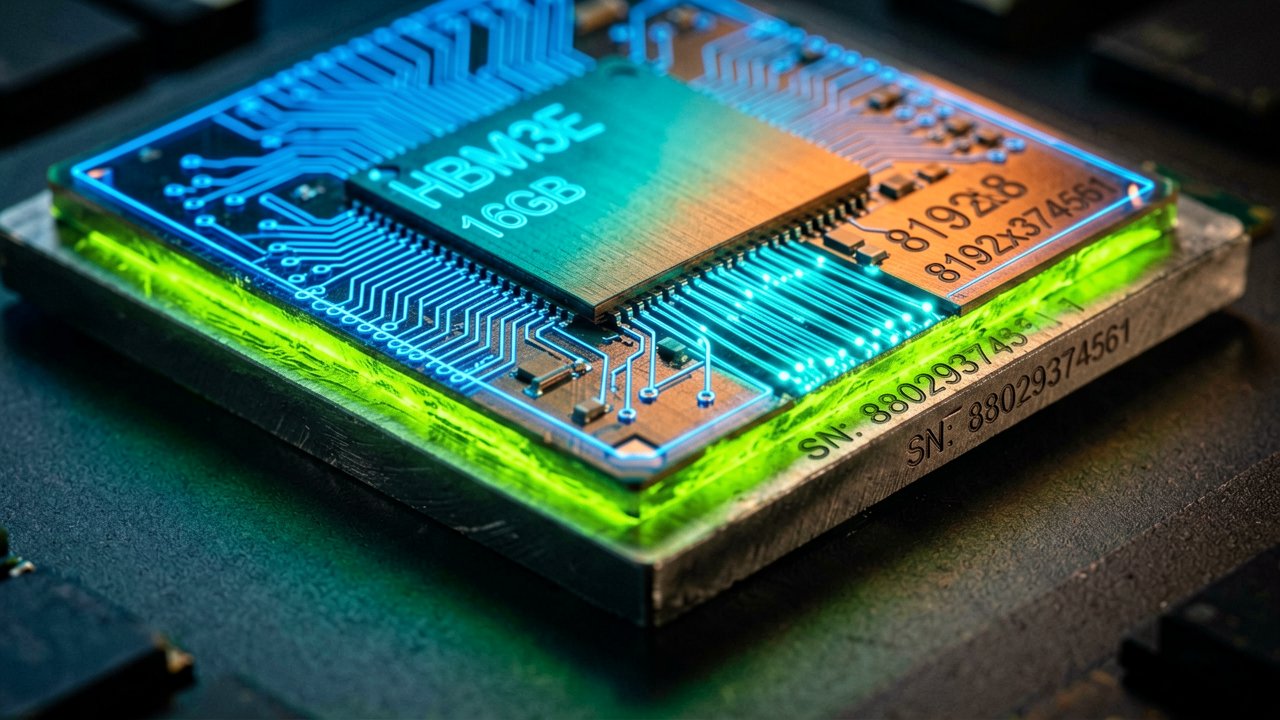
Silicon titan NVIDIA and South Korean memory powerhouse SK Hynix have officially shattered the traditional vendor-supplier boundary, joining forces in a comprehensive, multiyear technology alliance engineered to overhaul the global AI infrastructure pipeline. The sweeping pact, announced on June 8, 2026, guarantees a secured long-term pipeline of cutting-edge memory solutions customized for NVIDIA's fast-evolving hardware roadmap while transitioning SK Hynix into an active AI co-architect. This isn't just about securing components amid ongoing shortages; it’s a foundational reshaper of silicon design, fabrication, and physical AI deployment.
The timing of the announcement couldn't be more calculated, emerging directly from a high-profile visit to Seoul by NVIDIA CEO Jensen Huang, where he met with SK Group Chairman Chey Tae-won at the SK Seorin Building to solidify what both firms are framing as the "AI Alliance." As development cycles for high-bandwidth memory elongate and fabrication capital requirements skyrocket, this long-term agreement gives NVIDIA a locked-in foundation to build out its sprawling computing ecosystems. According to the official press release on NVIDIA News, the partnership will aggressively target next-generation environments spanning personal AI, physical robotics, and giant data centers.
From High-Bandwidth Memory to Architectural Integration
At the center of this alliance is the co-development of advanced memory for NVIDIA’s future hardware portfolio, most notably the newly unveiled Vera standalone data center microprocessors and the heavily anticipated Vera Rubin AI supercomputer platforms. By integrating SK Hynix’s next-generation silicon directly into the blueprint of NVIDIA's first true enterprise server microprocessors, the duo is taking a direct swipe at established enterprise incumbents. Beyond the data center, the collaboration explicitly extends to consumer and edge systems, embedding bespoke memory systems inside RTX Spark-powered PCs and the Jetson Thor robotic computing platforms.
AI-Powered Fabrication and the Rise of Autonomous Fabs
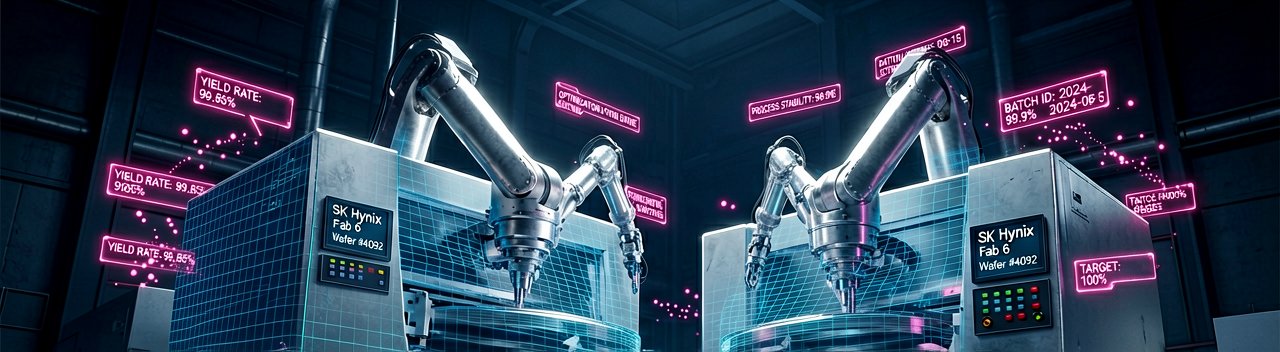
What makes this tie-up unique is how deeply NVIDIA's software stack is penetrating SK Hynix's actual factory floors. Rather than just buying the final chips, NVIDIA is helping its partner overhaul how those chips are created by injecting its proprietary CUDA-X libraries and PhysicsNeMo framework straight into SK Hynix's in-house engineering and Technology Computer-Aided Design (TCAD) workflows. As detailed by Tom's Hardware , SK Hynix is also leveraging NVIDIA Omniverse and OpenUSD scene optimization to build hyper-accurate digital twins of its semiconductor manufacturing facilities. By linking these virtual fabs with NVIDIA's cuOpt software, the chipmaker plans to optimize logistics and deploy autonomous robots, paving the way for fully automated wafer fabrication plants.
Behind the Silicon Curtain: Why Traditional Component Buying is Dead
What most generic industry reports miss is that this alliance represents a fundamental admission by NVIDIA: the hardware-software stack can no longer be decoupled from the raw thermodynamics of memory. For years, chip designers treated high-bandwidth memory (HBM) as a commodity to be purchased off a spec sheet and soldered onto a board. But as AI models scale to tens of trillions of parameters, memory bandwidth and power efficiency have become the ultimate bottlenecks. By moving SK Hynix from a reactive supplier to a proactive co-architect, NVIDIA is effectively pulling the memory foundry into its early-stage architecture meetings to ensure that future silicon doesn't choke on its own data pipelines.
Historically, SK Hynix has played a high-stakes game of chicken with capital expenditure, pouring billions into advanced lithography and packaging tech while praying that market demand would justify the investment. This multiyear pact changes the math entirely by de-risking their long-term R&D roadmap. With NVIDIA guaranteeing demand and co-developing the technological specifications, the South Korean memory giant can commit to aggressive, multi-generational roadmaps without the constant fear of a sudden market downturn leaving them with billions in stranded, unsold wafers.
From an architectural standpoint, the integration of SK Hynix’s bespoke memory systems into NVIDIA’s Vera standalone microprocessors represents a massive philosophical shift. Instead of relying on traditional x86 server architectures from longtime incumbents, NVIDIA is building highly specialized, cohesive computing environments where the processor and memory communicate via proprietary, ultra-low-latency interfaces. This level of tight integration makes it incredibly difficult for enterprise clients to mix and match hardware, effectively locking them into the complete NVIDIA ecosystem from the processing core down to the storage substrate.
Meanwhile, the decision to deploy NVIDIA Omniverse and digital twins on SK Hynix’s factory floors reveals a fascinating reciprocal dynamic. SK Hynix isn't just selling memory to power NVIDIA's AI; they are actively using NVIDIA's AI platforms to reinvent how that very memory is manufactured. Designing and yields-optimizing next-generation HBM is notoriously difficult, often plagued by low initial yield rates that eat into profit margins. By simulating entire wafer fabrication plants in virtual environments using cuOpt and OpenUSD, the duo aims to iron out manufacturing bottlenecks before a single physical tool is calibrated, giving them a massive time-to-market advantage over rivals who still rely on traditional factory ramping methods.
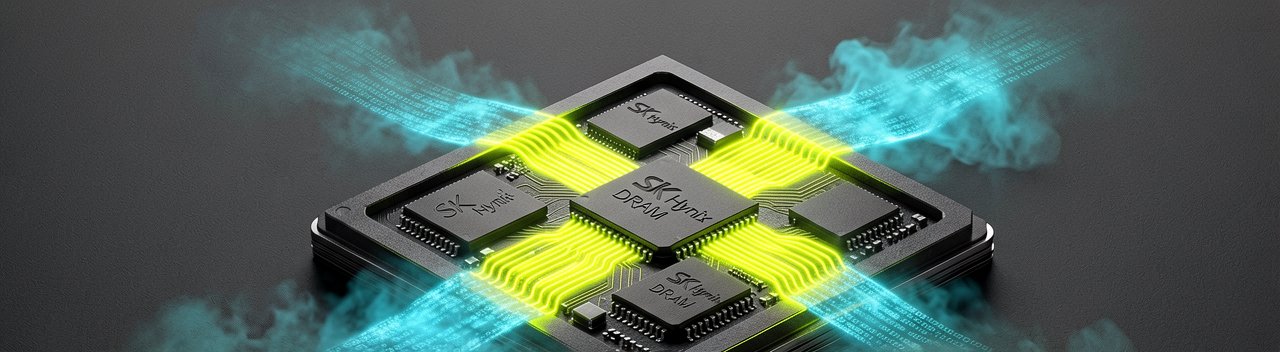
Ultimately, this partnership draws a clear line in the sand for the rest of the semiconductor industry. As competitors like Samsung and Micron scramble to capture their own shares of the lucrative AI infrastructure market, the NVIDIA-SK Hynix alliance establishes a deeply entrenched, vertically integrated juggernaut. It proves that surviving the next decade of the AI boom requires more than just making faster chips—it demands an entirely new way of building the factories, software, and silicon that power them.
Reading Between the Lines: The Fragile Monopolies of the AI Boom
While the corporate press releases paint a picture of seamless synergy, this tight integration masks an underlying vulnerability for the broader tech ecosystem. By transforming SK Hynix into an exclusive co-architect, NVIDIA is effectively attempting to privatize a critical segment of the global semiconductor supply chain. This move creates a hyper-consolidated duopoly that leaves hyperscalers and secondary hardware vendors in a precarious position. If a single geopolitical disruption or manufacturing anomaly impacts SK Hynix's highly specialized fabrication plants, the shockwaves will immediately paralyze NVIDIA's entire next-generation hardware pipeline, proving that vertical integration is a double-edged sword that trades resilience for raw performance.
Furthermore, there is an inherent contradiction in using NVIDIA’s software stack to optimize the very factories making its components. SK Hynix is leveraging the Omniverse platform to drive down manufacturing defects and boost wafer yields, but this deep operational integration grants NVIDIA unprecedented visibility into its partner's proprietary fabrication economics. Industry insiders quietly wonder how long SK Hynix can maintain its strategic independence when its core intellectual property—the physical optimization of silicon manufacturing—becomes heavily reliant on a partner's software algorithms. It is a partnership that looks suspiciously like a soft acquisition disguised as a strategic alliance.
This alliance also exposes the limits of the industry's open-standard rhetoric. While both companies publicly champion open ecosystems like OpenUSD, the physical reality of their integrated Vera and Vera Rubin platforms tells a completely different story. By tailoring next-generation HBM architectures to proprietary NVIDIA interfaces, the duo is actively making it harder for alternative chip designers to utilize SK Hynix’s best silicon. This structural gatekeeping ensures that competing accelerators from AMD or specialized startup ASICs will face an uphill battle, not because their logic design is inferior, but because they are structurally starved of the ultra-fast memory pipelines locked behind the NVIDIA-SK Hynix firewall.
Ultimately, the grand narrative of "AI factories" scaling indefinitely assumes that global energy grids and corporate capital expenditure can sustain this frantic pace. Building fully autonomous fabrication plants driven by digital twins sounds like an engineering triumph, but it requires a staggering amount of upfront capital and electricity. If the enterprise monetization of generative AI begins to plateau before these massive infrastructure investments yield actual returns, both companies could find themselves holding the bag on highly specialized, immensely expensive manufacturing facilities designed for a boom that outpaced its own utility.
In the end, tech giants are learning that building the future of intelligence requires an awful lot of old-fashioned, terrestrial plumbing. It turns out the road to sentient software is paved with billions of dollars of melting silicon, proving that even the most advanced digital minds are still entirely at the mercy of factory floor logistics and a very large electricity bill.
Artūras Malašauskas is an AI Systems Integrator with 20+ years of production-grade web engineering experience. He has designed, shipped, and scaled enterprise Python/PHP systems for logistics, SaaS, and public-sector clients. For the past year, he has focused exclusively on AI integrations: deploying open-source LLMs, building generative media pipelines (image, audio, video), and engineering multi-agent workflows for real production environments. His standard: reproducibility, security, cost-efficient inference—no vaporware. He documents and evaluates emerging AI tooling, separating verified capabilities from marketing noise. Technical editor at: muza-ai.eu, ai-verslas.lt, ai-naujinos.lt Connect on LinkedIn
Comments