GDC 2026: AI Innovation and Ethical Dilemmas
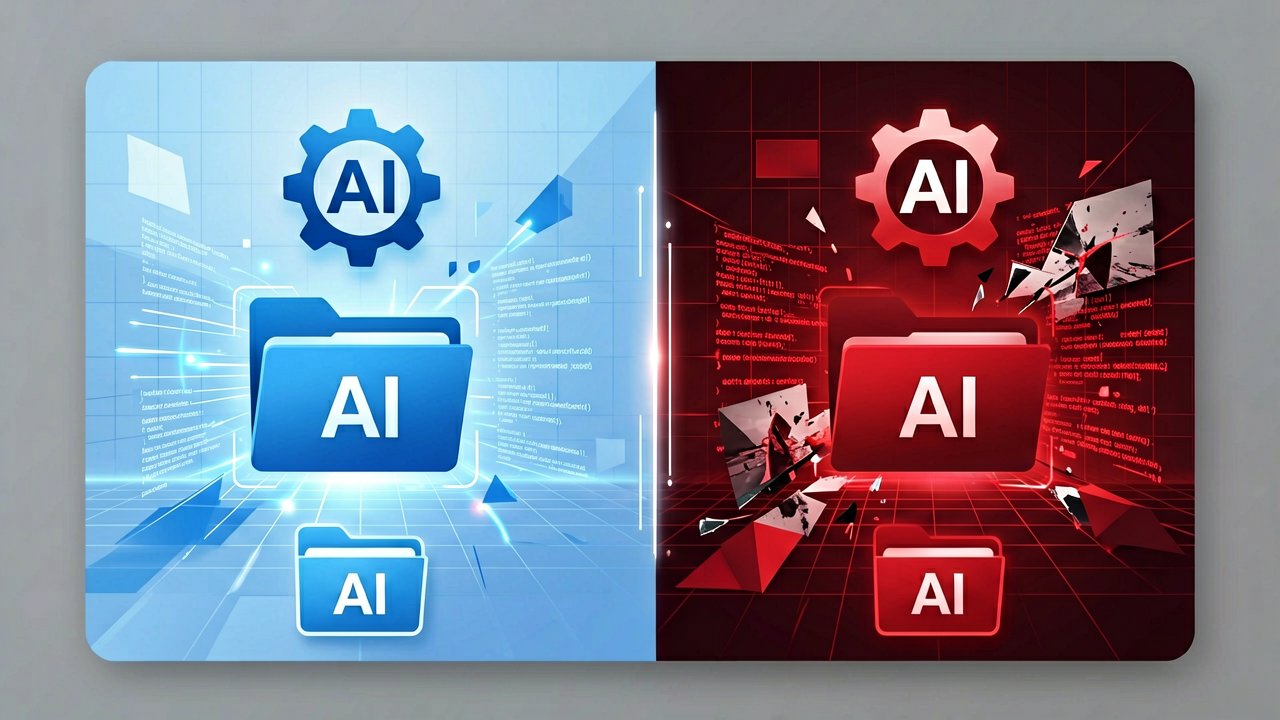
The GDC 2026 Report shows 36% of developers use AI. Yet, 52% of gaming professionals believe AI hurts game making. This data comes from the GDC Festival of Gaming.
Studios face massive cost pressures today. Leaders buy AI tools to increase speed. Workers fear losing their creative jobs. This tension creates serious ethical debates.
Current AI Development Uses
Most employees use AI for office chores. They rarely use it for game art. A report from GamesIndustry.biz outlines the top tasks:
- Brainstorming fresh story ideas
- Assisting with basic programming
- Drafting daily office emails
- Creating early project prototypes
The Corporate Divide
Bosses and workers view AI tools differently. Managers like the cost savings. Employees worry about human creativity. Data tracked by 80lv shows who uses AI most:
- High usage among upper management
- Resistance from rank-and-file artists
- Frequent adoption by marketing teams
- Heavy skepticism from game writers
Inside the Creative Resistance
Behind the Scenes: The rising tension between game developers and studio management over generative AI reveals a deeper struggle for creative control. Many rank-and-file artists and writers feel that corporate leaders are rushing into automation to appease investors, rather than to improve game quality. Developers argue that reliance on AI-generated assets dilutes the unique voice of video games, reducing art to statistical patterns. These workers are increasingly organizing internally to demand contract protections that limit how automated tools can be used on creative pipelines.
At the same time, technical directors face massive infrastructure problems trying to implement these tools at scale. Integrating machine learning models into proprietary game engines often breaks existing workflows, leading to hidden development costs. While marketing teams and executives celebrate the speed of AI-assisted prototyping, engineers frequently spend double the time fixing buggy, automated code. This technical debt causes friction between the teams on the ground and executives looking for a quick fix to rising budgets.
Historical trends in the gaming industry show that rapid shifts in technology always spark worker anxiety, but generative AI presents a unique challenge to intellectual property. Programmers express valid fears that public data models trained on copyrighted material expose their studios to massive legal risks. Without standard legal frameworks or clear industry regulations, many middle managers are choosing to stall AI deployment to protect their current projects from potential copyright lawsuits.
The path forward depends on finding a balance between engineering speed and human creativity. Studios that actively involve their development teams in choosing AI tools report much higher morale and smoother workflows. For the gaming industry to thrive, leaders must stop viewing AI as a cheap replacement for staff and start treating it as a specialized support tool for human talent.

The Hidden Cost of AI Speed
Reading Between the Lines: Many studio bosses think AI will save money right away. They believe computers can quickly do the work of human artists. This assumption misses a very big problem. Games made by AI often look generic and boring. Players notice when a game lacks a real human soul, and they stop buying it.
There is also a big contradiction in how companies use this technology. Leaders say AI lets creators focus on bigger and better ideas. In reality, workers spend hours cleaning up bad AI art and broken code. Instead of inventing new worlds, human developers are becoming digital janitors. This shift turns skilled creators into tired editors.
Looking ahead, the push for AI might create a deep split in the market. Huge companies will likely flood stores with cheap, automated games. In response, players will seek out smaller, human-made indie games. True human creativity will become a rare feature that people will pay extra to find.
"We are spending millions of dollars on advanced machine learning just so our games can draft better corporate apology emails."
Artūras Malašauskas is an AI Systems Integrator with 20+ years of production-grade web engineering experience. He has designed, shipped, and scaled enterprise Python/PHP systems for logistics, SaaS, and public-sector clients. For the past year, he has focused exclusively on AI integrations: deploying open-source LLMs, building generative media pipelines (image, audio, video), and engineering multi-agent workflows for real production environments. His standard: reproducibility, security, cost-efficient inference—no vaporware. He documents and evaluates emerging AI tooling, separating verified capabilities from marketing noise. Technical editor at: muza-ai.eu, ai-verslas.lt, ai-naujinos.lt Connect on LinkedIn
Comments