A Gross Masterpiece: Why 'Oh My Doug!' is the Wildest Metroidvania Since 'Hollow Knight'

Every few years, the Metroidvania genre undergoes a self-inflicted identity crisis to keep from molding over. Just when you think you have seen every flavor of gothic ruin, neon cyberpunk cityscape, or melancholy bug kingdom, a developer comes along and completely shatters the baseline. Enter Oh, My Doug!, a newly unveiled indie darling from Odd Men In Studios that recently hijacked the spotlight at The MIX Summer Game Showcase. Instead of charting another solemn journey through a forgotten mythos, this game straps players into a chaotic, micro-scale conflict waged inside the biological disaster zone of an overweight, middle-aged man named Doug.
The core premise is pure, unfiltered narrative genius. You do not play as a noble knight trying to cure a plague; you play as the microscopic inhabitants who view Doug's sudden, terrifying decision to get in shape as a literal, apocalyptic end-of-days event. If Doug drops the weight, burns away his visceral fat reserves, and clears out his arteries, he will permanently destroy the thriving, grease-addled ecosystem these tiny creatures call home. It forces a bizarre, frantic mission to actively sabotage his newfound wellness streak from the inside out, turning traditional video game heroism squarely on its head.
The Glorious Return of '90s Gross-Out Aesthetic
Visually, the game drops you directly into a time capsule of late-20th-century television animation. It proudly channels the elastic, vein-popping, hyper-expressive madness of classic Klasky Csupo or John Kricfalusi productions. Every single frame is painstakingly hand-drawn, trading the sterile cleanliness of modern digital assets for the jagged, pulsing, and deliciously grotesque energy of a Saturday morning cartoon. According to a feature by Time Extension, the game leans heavily into classic "gross-up" close-ups, meaning you can expect plenty of hyper-detailed sweat glands, undulating fatty tissue, and terrifyingly expressive internal organs.
This is not just visual window dressing either. The environments map perfectly onto the biological layout of Doug’s deeply neglected anatomy. Intricate, non-linear mazes are carved directly out of heavily congested chambers and fluctuating organ systems. Navigating a human body has never felt quite so mechanically rewarding, with the terrain adapting to how Doug is processing his environment in real-time. It transforms traditional platforming tropes into an interactive anatomy lesson gone horribly, wonderfully wrong.

Two Heroes, One Body, Unorthodox Combat
Where the game truly aligns itself with the tactical brilliance of modern genre kings like Team Cherry’s masterpiece is its tight, inventive approach to navigation and combat. You control a wildly mismatched duo: a purple blob creature and a tiny kid trapped inside a spacesuit. Billed as a single-player co-op experience, players must seamlessly manage and combine the distinct abilities of both characters to bypass biological blockades and survive the host’s immune responses.
The arsenal at your disposal completely discards standard weaponry in favor of pure cartoon logic. You will find yourself firing flames out of a squid's backside or dropping portable holes to outmaneuver aggressive cellular defenses. The controls are incredibly sharp and responsive, offering a brilliant mechanical contrast to the loose, rubbery visual style on screen. It bridges the gap between precision gameplay and anarchic humor, ensuring that every death feels fair, and every victory feels earned amid the chaos. Indie gaming has been waiting for something this unapologetically bold, and Doug's inner world might just deliver the breath of fresh, albeit congested, air the genre desperately needs.
Beneath the surface of this biological funhouse lies a fascinating mechanical irony. While traditional entries in the genre empower the player by cleansing a corrupted world, Odd Men In Studios shifts the goalposts by forcing you to become the corruption itself. The sheer audacity of this design premise elevates the game from a simple novelty into a brilliant piece of interactive satire. You find yourself actively rooting against a man's health journey, celebrating every time a greasy slice of pizza or an energy drink crashes into his stomach like an orbital supply drop packed with fresh terrain-building resources.
This inverted loop injects an entirely new psychological weight into standard exploration tropes. Upgrades are not just shiny trinkets stashed away in secret rooms; they are literal evolutionary mutations derived from Doug's lifestyle vices. Securing a double-jump or an acid-dash often requires traveling deeper into the dark, neglected corners of the host's psyche and physiology. The structural brilliance of the world design mirrors the tragic comedy of human willpower, transforming the map into an expanding battlefield where a single salad could mean total geographic annihilation for your character.
The Fine Line Between Revulsion and Revelation
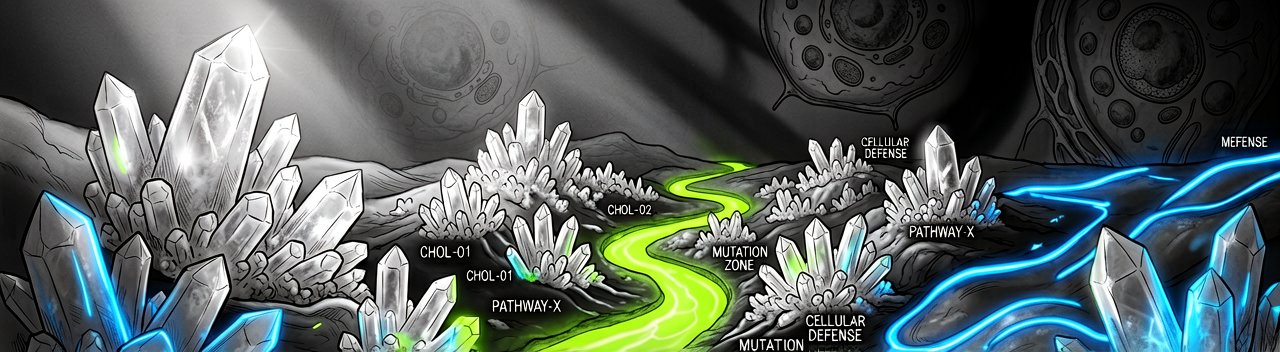
What keeps this gross-out landscape from becoming exhausting is the incredible artistic discipline underpinning the squalor. It would have been easy to rely purely on cheap shock value, but the developer treats Doug's internal ecology with the same meticulous reverence Team Cherry brought to the ruined caverns of Hallownest. There is a strange, hypnotic beauty in watching hand-drawn cholesterol crystals glimmering under the faint light of a cellular spark, or tracking the rhythmic, automated choreography of white blood cells performing their defensive sweeps.
By elevating the grotesque to an art form, the game bridges a massive historical gap between lowbrow cartoon aesthetics and highbrow mechanical precision. The animations are fluid, expressive, and packed with micro-details that reward players who pause to look around. It forces you to appreciate the strange complexity of the human machine, even as you work tirelessly to gum up its gears. This delicate balance ensures that the constant barrage of bodily humor feels earned, serving as the connective tissue for an incredibly demanding mechanical framework.
Ultimately, the long-term legacy of this fleshy odyssey will depend on how effectively it can sustain its mechanical momentum across a sprawling campaign. However, the initial glimpse into Doug's chaotic interior suggests an experience that is entirely unconcerned with playing it safe. In a market flooded with overly cautious, emotionally somber titles, an uncompromisingly weird, mechanically tight journey through the human digestive tract is exactly the shake-up the indie scene requires. It proves that masterpieces do not always need to be beautiful; sometimes, they just need to be unforgettable.
Strip away the layer of slime and Saturday-morning cartoon logic, and what remains is a masterclass in subverting modern game design philosophies. Most interactive experiences are obsessed with optimization, cleanliness, and the heroic reclamation of fallen worlds. By forcing players to fight tooth and nail for the preservation of a toxic status quo, this fleshy odyssey exposes how deeply entrenched our expectations of digital heroism have become. It is a brilliant reminder that conflict does not always need to be epic or cosmic to feel incredibly vital; sometimes, keeping an unathletic guy on the couch is more than enough motivation to master a complex control scheme.
This thematic subversion extends directly into the mechanical pacing, where the typical reward loops of the genre are completely turned inside out. Acquiring a new ability does not feel like a triumphant step toward healing the world, but rather like a successful biological insurgency. The developers have managed to align the player's progression with the host's physical stagnation, creating an uncomfortable yet hilarious synergy. Every shortcut unlocked and every boss toppled feels like a wrench thrown directly into the machinery of self-improvement, proving that tight design can make even the most counterintuitive goals feel deeply rewarding.
A Paradigm Shift for the Indie Landscape
The success of this bizarre experiment will likely send ripples through the broader indie ecosystem, encouraging other creators to ditch safe, atmospheric tropes in favor of raw, unfiltered absurdity. For years, the industry has leaned heavily on melancholy narratives and pixel-art nostalgia to evoke emotional depth. This game boldly charts a third path, demonstrating that a project can possess mechanical rigor, striking artistry, and a distinct authorial voice while remaining completely, unapologetically ridiculous. It sets a new benchmark for how humor can be woven directly into gameplay systems rather than just relegated to dialogue boxes.
When the dust clears and Doug finally reaches for that inevitable slice of midnight pizza, players will look back on this journey not as a mere novelty, but as a turning point for non-linear platformers. It takes an immense amount of confidence to build an entire game around the concept of biological sabotage, and even more skill to make it control like a dream. By marrying the chaotic energy of nineties animation with the relentless precision of modern gaming, Odd Men In Studios has delivered something truly rare: a cultural anomaly that manages to satisfy the hardcore completionist just as easily as it triggers a visceral laugh.
"In the end, saving a kingdom from an ancient curse is easy; the real challenge is convincing a middle-aged man's immune system that a double cheeseburger is an act of god."
Artūras Malašauskas is an AI Systems Integrator with 20+ years of production-grade web engineering experience. He has designed, shipped, and scaled enterprise Python/PHP systems for logistics, SaaS, and public-sector clients. For the past year, he has focused exclusively on AI integrations: deploying open-source LLMs, building generative media pipelines (image, audio, video), and engineering multi-agent workflows for real production environments. His standard: reproducibility, security, cost-efficient inference—no vaporware. He documents and evaluates emerging AI tooling, separating verified capabilities from marketing noise. Technical editor at: muza-ai.eu, ai-verslas.lt, ai-naujinos.lt Connect on LinkedIn
Comments