From Queen to F1: How Toby Walsham's AI is Blurring the Lines Between Art and Engineering
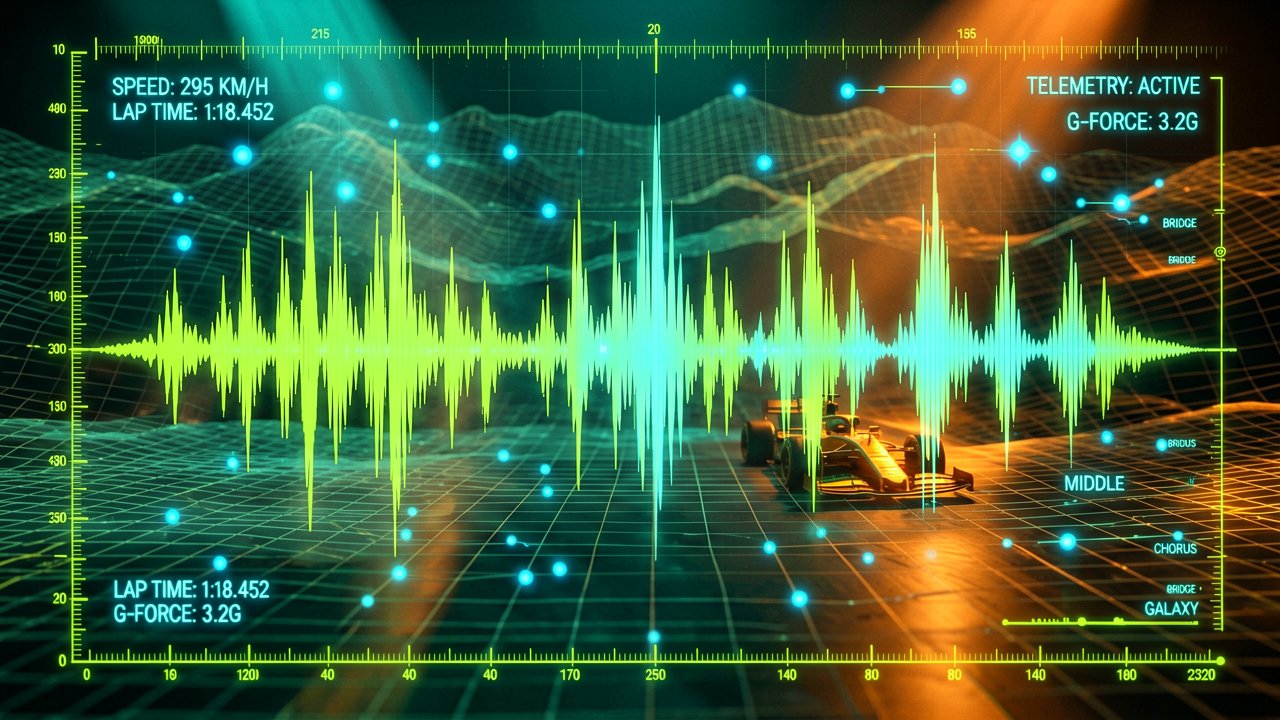
There is a comforting lie we tell ourselves about technology: that it belongs strictly to the realm of calculation, leaving the messy, beautiful business of human expression safely untouched. Then someone comes along and upends the chessboard. Toby Walsham, the creative force piloting Imagine This and Made By Humans, is doing precisely that by treating artificial intelligence not as a automated replacement for human labor, but as a hyper-collaborative extension of raw taste. If you still view neural networks as mere data processors, Walsham’s cross-industry crusade across music, high-octane motorsport, and consumer culture will quickly disabuse you of the notion.
A recent profile published by the advertising and creative benchmark platform Little Black Book underscores how Walsham is effectively dismantling the traditional walls separating engineering from artistry. His philosophy avoids the typical Silicon Valley techno-utopianism. Instead, it grounds itself in a foundational, unyielding belief: when everyone gains access to identical algorithmic models, human taste and creative direction become the ultimate differentiators. From resurrecting the auditory and visual majesty of rock royalty like Queen to decoding the split-second telemetry of Formula 1, his projects act as a live masterclass in modern creative execution.
The Harmonization of Rock and Racing Telemetry
Applying machine learning to a cultural monolith like Queen requires a delicate, almost reverent touch. It is an exercise in data archeology, using AI to isolate, clean, and enrich historical audio and visual components without stripping away the organic, analog soul that made the band legendary. In Walsham's hands, the algorithm operates like a highly specialized lens, sharpening classic artistic intent for a contemporary, digitally native landscape. This isn't automated asset generation; it is a calculated amplification of human genius that preserves the vital spark of the original performance.
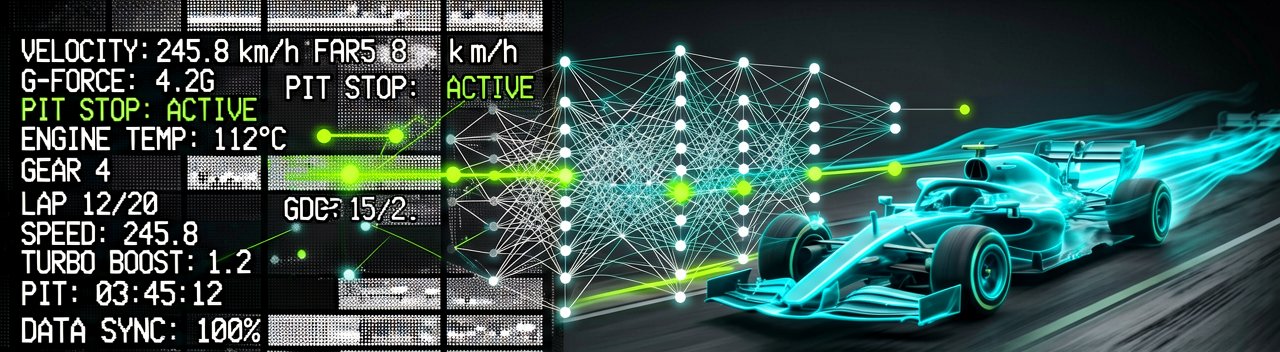
Shift gears to the pit lane of Formula 1, and the exact same core AI methodology undergoes a radical translation. In a sport governed by aerodynamics and micro-seconds, Walsham converts cold, imposing streams of telemetry data into fluid, visceral narrative design. By treating engineering outputs as a canvas, his work transforms mechanical optimization into a compelling spectator experience. It bridges the deep chasm between what a vehicle’s sensors register and what an audience actually feels, proving that structural engineering holds its own unique poetic weight when viewed through the correct creative filter.

Democratized Tools and the Premium on Taste
The true genius of this cross-disciplinary approach shines when it scales down to everyday consumer goods, such as his work involving LifeSaver Gummies. In consumer marketing, AI is frequently relegated to churning out lazy, optimized permutations of digital banner ads. Walsham rejects this shortcut, utilizing machine intelligence to map out unexpected, highly imaginative visual spaces that human teams can refine and build upon. It serves as a reminder that a tool is only as powerful as the hands wielding it, whether you are selling stadium-rock nostalgia, racing dynamics, or candy.
As Walsham noted in his commentary via Little Black Book, the creative gap between the mediocre and the exceptional is actually widening rather than closing. The democratization of generative technology has flooded the market with baseline competency, making original artistic vision more valuable than it has ever been. By seamlessly anchoring machine intelligence to genuine human intuition, Walsham is charting a definitive path forward. The future does not belong to the most automated systems, but to the architects who understand how to transform raw computational power into genuine human connection.
The true threat of the automated age isn’t that machines will suddenly begin to think like artists, but that artists will succumb to thinking like machines. When generative tools reduce the friction of production to a single keystroke, the temptation is to slide into a comfortable state of aesthetic repetition. The market becomes saturated with polished mediocrity—art that looks right and sounds right but lacks a pulse. Toby Walsham’s operational ethos relies on disrupting this exact corporate inertia. Rather than using algorithms to establish rigid rules, his workflow treats artificial intelligence as a volatile, hyper-reactive sparring partner designed to shake creators out of their comfort zones.
This dynamic forces a profound philosophical shift in how we define a technical creator. In his discussions with platforms like Authority Magazine on Medium, Walsham frequently emphasizes that clinging to outdated, protective gatekeeping is a losing battle. The collective internet panic over data scraping and permissions misses the broader macro-evolution already underway. The tools are here, they have already absorbed the baseline data of human output, and they are steadily gaining structural fidelity. The competitive edge belongs entirely to those who stop fighting the tide and learn to direct it.
The Re-Emergence of the Creative Director
Consequently, the technical landscape is witnessing a massive premium placed back onto old-school curation and taste. When anyone can summon a highly detailed digital asset or a complex data visualization in seconds, the skill of production itself becomes completely commodified. The real genius lies in the editing—knowing what to throw away, what to distort, and how to spot a genuinely compelling anomaly within a mountain of algorithmically generated choices. It turns engineering into an improvisational act, akin to a jazz musician responding to an unpredictable accompaniment.
By treating computational power as an engine for creative friction, Walsham provides a blueprint for an era where art and engineering are no longer parallel tracks. They are overlapping layers of the same fundamental pursuit: human communication. The systems he builds do not replace the unique, chaotic perspective of the individual designer; they actively demand it to function at a high level. Ultimately, the integration of these tools proves that the future of technology will not be defined by the code itself, but by the visionary individuals who hold the creative courage to steer it.
Artificial intelligence is not the death of creativity; it is the ultimate mirror, ruthlessly reflecting the depth—or the shallow vacuity—of the mind holding the controls. As the initial novelty of automated asset generation fades into the background noise of daily life, the creative industry faces a stark realization. Those who used technology merely to cut overhead costs and fast-track mediocre output are finding themselves trapped in a race to the bottom. Meanwhile, pioneers like Toby Walsham demonstrate that the real value of these advanced systems lies in their ability to act as cognitive force multipliers for individuals who already possess a distinct, uncompromising point of view.
This evolving paradigm fundamentally redefines what it means to be a technician or an artist in the modern era. The historical divide between the analytical engineer and the expressive creator has been rendered obsolete by the sheer fluid versatility of neural networks. When a single workflow can seamlessly leap from refining the legacy audio archives of rock legends to mapping out the visual vocabulary of consumer products, rigid professional silos crumble. The future belongs to the multi-hyphenate thinkers who can pivot effortlessly between systematic logic and purely emotional intuition.
The Final Premium on Human Instinct
Ultimately, the democratization of machine learning tools has stripped away the illusion that technical execution alone constitutes art. When the baseline standard of production is elevated to near-flawless competence for everyone, the human element becomes the only true premium commodity left on the market. True innovation cannot be reverse-engineered by studying a dataset of past successes. It requires the willingness to make mistakes, to lean into illogical creative impulses, and to pursue ideas that defy algorithmic optimization.
As we move deeper into this collaborative age, the true metric of success will not be the complexity of the models we build, but the audacity of the directions we give them. The machines will continue to calculate, synthesize, and generate at unprecedented speeds, yet they remain tethered to the boundaries of human imagination. By leaning into the friction between cold engineering and raw artistic taste, creators can finally move past the fear of automation and begin building a more expressive, technologically integrated reality.
"The future of creativity doesn't require us to build smarter machines, but to remember how to be wilder, more unpredictable humans—because an algorithm can mimic your style, but it can never duplicate your nerve."
Artūras Malašauskas is an AI Systems Integrator with 20+ years of production-grade web engineering experience. He has designed, shipped, and scaled enterprise Python/PHP systems for logistics, SaaS, and public-sector clients. For the past year, he has focused exclusively on AI integrations: deploying open-source LLMs, building generative media pipelines (image, audio, video), and engineering multi-agent workflows for real production environments. His standard: reproducibility, security, cost-efficient inference—no vaporware. He documents and evaluates emerging AI tooling, separating verified capabilities from marketing noise. Technical editor at: muza-ai.eu, ai-verslas.lt, ai-naujinos.lt Connect on LinkedIn
Comments