Palo Alto Networks Reinvents Cybersecurity Strategy Amid AI-Driven Threat Evolution
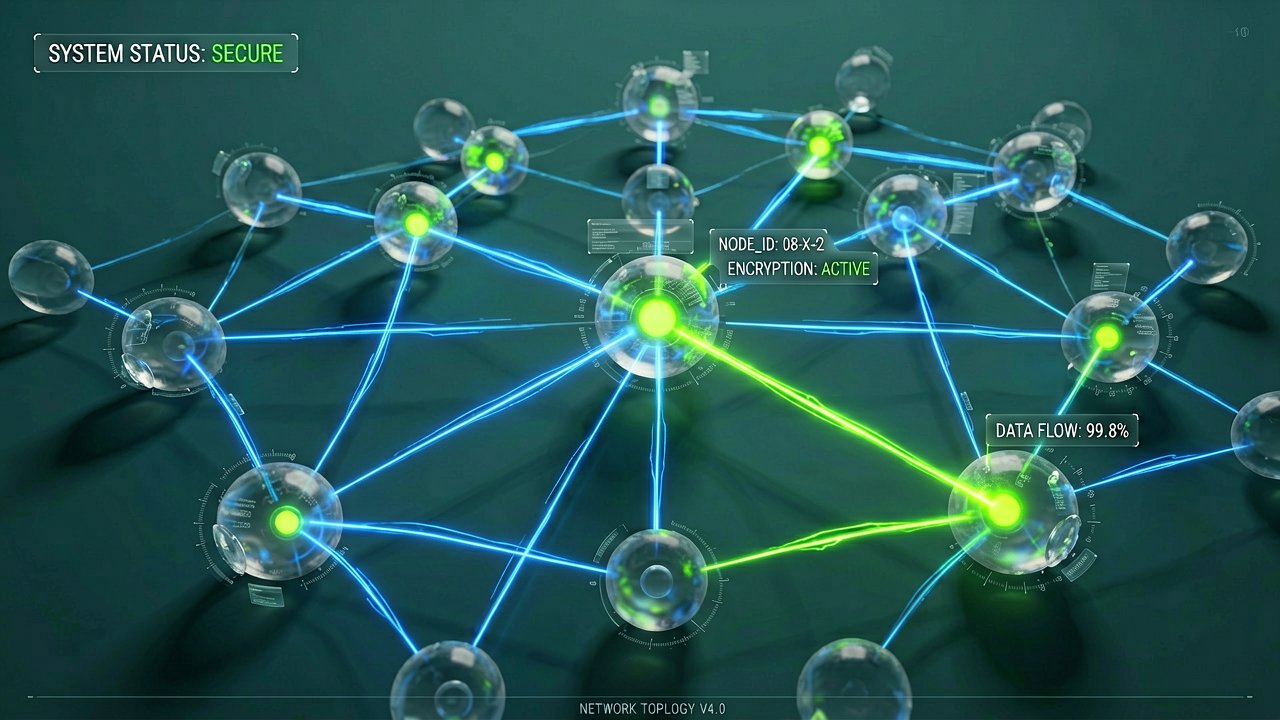
The global cybersecurity landscape is undergoing a monumental paradigm shift as malicious actors weaponize generative artificial intelligence to automate complex, multi-stage cyberattacks. Legacy defense frameworks struggle to keep pace with threats that mutate in real time, dramatically shrinking the window between vulnerability discovery and weaponized exploitation. In response to this compounding risk environment, enterprises are under pressure to modernize their infrastructure and migrate away from fragmented, legacy point solutions that leave structural visibility gaps.
To capture this market transition, Palo Alto Networks has aggressively pivoted toward a comprehensive platformization strategy, consolidating network, cloud, and endpoint security into a unified ecosystem. By leaning heavily into its Precision AI framework, the vendor integrates deep learning and real-time automation to neutralize sophisticated threats before they compromise corporate networks. This deliberate strategic shift focuses on delivering end-to-end operational visibility, allowing corporate defense systems to analyze contextual data and remediate zero-day vulnerabilities at machine speed.
Industry indicators validate this architectural consolidation, as evidenced by the company's financial performance. According to the recent Palo Alto Networks quarterly earnings report, total revenue grew 15% year-over-year to $2.6 billion, fueled by accelerating customer adoption of bundled security platforms. While the aggressive push involves near-term investments in strategic enterprise promotions and multi-product bundling, market analysts emphasize that the resultant high customer retention rates position the vendor as a dominant control plane for long-term digital enterprise protection.
The Imperative of AI-Native Defense Ecosystems
Modern enterprise networks require automated systems capable of continuous structural self-defense. The latest frontier artificial intelligence models exhibit deep, specialized coding capabilities that allow threat actors to generate custom exploits autonomously. Consequently, perimeter-based protections are obsolete. Effective cyber defense now hinges on deploying adaptive AI models that constantly inspect enterprise endpoints, cloud native workloads, and emergent AI agent activities.

Platformization Over Point Tool Fragmentation
Juggling dozens of disconnected security applications introduces operational complexity and critical blind spots for enterprise security teams. Platformization solves this operational challenge by ingesting data from across the entire corporate perimeter into a centralized, intelligent data plane. This architectural consolidation lowers the mean time to resolution and ensures that defensive policies adapt dynamically across cloud infrastructure, remote browsers, and identity verification gates simultaneously.
Behind the Scenes of the Security Architecture War
The push toward platformization is reshaping vendor relationships across the enterprise software landscape. Historically, chief information security officers favored a best-of-breed approach, selecting individual tools for endpoint detection, firewall management, and cloud security based on independent performance metrics. This approach created a highly fragmented marketplace where niche startups thrived by solving isolated vulnerabilities. Today, however, the sheer volume of telemetry generated by these disparate systems has overwhelmed security operations centers, forcing a shift away from isolated point solutions toward deeply integrated platforms.
This architectural consolidation favors legacy tech giants that possess the engineering capital to build unified data layers. Smaller vendors face intense market pressure as corporate buyers consolidate their security budgets to gain better commercial terms and reduce operational complexity. By bundling multiple security capabilities into single enterprise agreements, larger players are effectively crowding out pure-play competitors. This shifting dynamic has triggered a wave of mergers and acquisitions as legacy firms absorb smaller competitors to plug remaining capabilities gaps in their cloud and identity defense portfolios.
The transition is not without structural friction, particularly regarding customer lock-in and implementation timelines. Migrating an entire global enterprise from dozens of legacy systems to a single consolidated platform requires significant engineering hours and introduces temporary operational risks. Some enterprise architects express concern that over-reliance on a single vendor creates a systemic single point of failure if that vendor's core platform suffers an outage or a supply-chain compromise. Despite these migration challenges, the operational efficiency gained by centralizing threat data remains a powerful incentive for corporate boards looking to manage escalating cyber risk.

Looking ahead, the next battleground for platform dominance centers on securing enterprise generative AI workloads. As corporations deploy autonomous agents and large language models across internal networks, they introduce unique vulnerabilities, including prompt injection risks and sensitive data exposure. Security platforms are racing to deploy specialized guardrails that monitor data flows into these models in real time. The vendors that successfully secure these internal AI frameworks while maintaining high system performance will likely command the next decade of enterprise technology spend.
Reading Between the Lines of the Platformization Promise
The tech industry's rapid embrace of full-stack cybersecurity platforms ignores a fundamental historical truth: total consolidation rarely yields absolute security. While market marketing materials position platformization as the definitive remedy for enterprise vulnerability, this approach introduces a glaring paradox. Centralizing an organization's entire defensive posture under a single vendor's architecture creates a monoculture. If a sophisticated adversary compromises the core engineering pipeline or cryptographic keys of that primary vendor, every downstream enterprise client faces immediate, systemic exposure.
Furthermore, the financial calculus behind aggressive commercial bundling warrants measured skepticism. Major security vendors frequently leverage deep discounts and free tier incentives to accelerate corporate migration onto their consolidated platforms. This strategy artificially inflates short-term adoption metrics while masking the true, long-term total cost of ownership. Once an enterprise decommissioned its legacy point solutions and fully integrated its operational workflows into a single vendor's ecosystem, the financial and technical friction of switching vendors became prohibitively high, granting the platform vendor immense pricing power during subsequent renewal cycles.
The reliance on automated artificial intelligence as a silver bullet for modern threat detection also introduces unique operational liabilities. Machine learning models require continuous tuning to avoid drowning security operations centers in false positives, which can lead to alert fatigue just as effectively as the fragmented point tools they replaced. Moreover, threat actors are actively studying these mainstream AI defense models to identify blind spots, engineering adversarial inputs that can bypass detection entirely. True resilience, therefore, requires a pragmatic architecture that balances the efficiency of a unified platform with the redundant, independent validation layers traditionally offered by a multi-vendor strategy.
"The modern enterprise dream is a single, AI-powered dashboard that magically stops every digital threat with a single click—though in practice, replacing forty legacy software tools with one massive corporate ecosystem mostly just ensures that when things inevitably break, they break with magnificent, centralized efficiency."
Artūras Malašauskas is an AI Systems Integrator with 20+ years of production-grade web engineering experience. He has designed, shipped, and scaled enterprise Python/PHP systems for logistics, SaaS, and public-sector clients. For the past year, he has focused exclusively on AI integrations: deploying open-source LLMs, building generative media pipelines (image, audio, video), and engineering multi-agent workflows for real production environments. His standard: reproducibility, security, cost-efficient inference—no vaporware. He documents and evaluates emerging AI tooling, separating verified capabilities from marketing noise. Technical editor at: muza-ai.eu, ai-verslas.lt, ai-naujinos.lt Connect on LinkedIn
Comments