The Graduation Backlash Is Not About Tech—It Is a Revolt for Authenticity
College commencement ceremonies have transformed into an unexpected cultural battleground. Across the United States, graduating students entering a hyper-automated and fiercely competitive corporate world are drawing a hard line against algorithmic optimism. When prominent corporate figures take the podium to preach about the boundless efficiencies of automation, they are increasingly met with heavy jeers, walkouts, and open frustration. The underlying friction is clear: a generation that sacrificed years to secure traditional degrees is pushing back against the narrative that their future belongs to machine learning scripts.
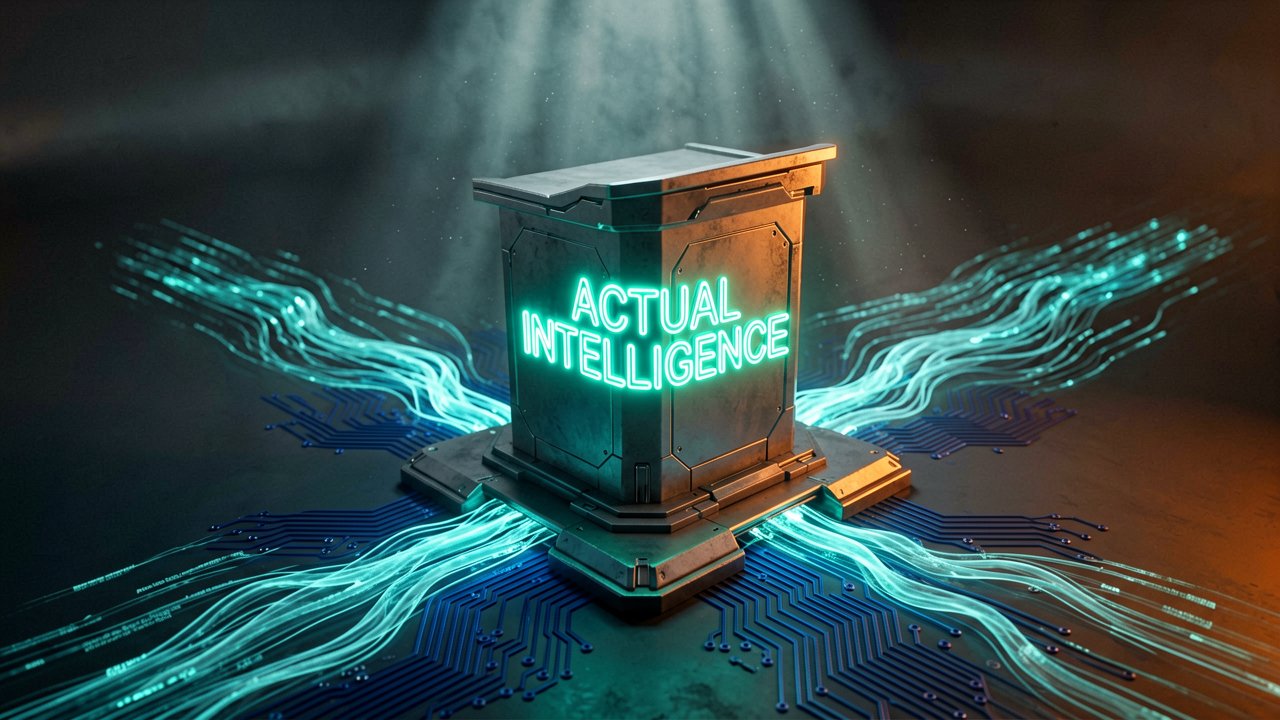
Amidst this climate of friction, Apple co-founder Steve Wozniak delivered a refreshing counter-narrative during his address at Fast Company reported ceremonies at Grand Valley State University. Rather than leaning on corporate talking points or predictable tech jargon, Wozniak playfully flipped the script by telling graduates that they already possess the only intelligence that counts: "AI, Actual Intelligence." He joked that while Silicon Valley has spent decades trying to replicate the human brain through complex silicon hardware, the best architecture still takes exactly nine months to build. The room erupted in applause, signaling a massive shift in how young professionals want to be addressed during their most symbolic academic milestone.
What Most Reports Miss: The Fatigue of the Algorithmic Pitch
Behind the Scenes: The contrast between Wozniak’s reception and the treatment of other corporate executives exposes a profound disconnect between tech elites and the real-world anxieties of Gen Z. Students are not rejecting automation because they misunderstand its capability; they are rejecting the sterile, overhyped jargon that treats human labor as an expensive bottleneck to be optimized away. When executives treat a graduation stage like a quarterly earnings call, they completely misread the emotional gravity of the room. Graduates who finished their degrees amid global instability and major tech-sector layoffs do not want to hear that entry-level positions are being replaced by large language models.
A deeper look at recent commencement disruptions reveals that the backlash goes far beyond standard workplace anxieties. At several major universities, speakers who positioned automated tools as the ultimate savior of productivity were resoundingly silenced by graduating classes. This corporate pushing of algorithms has begun to feel like an insult to students who spent four years testing their own cognitive limits, pulling all-nighters, and deeply engaging with complex academic subjects. Hearing that a software package can replicate that entire human journey in a few seconds cheapens the value of their hard-earned diplomas.

Wozniak's editorial brilliance lay in his willingness to break away from the tech industry's self-serving echo chamber to validate the raw human experience instead. By celebrating curiosity, creative judgment, and emotional depth over raw processing power, the tech pioneer shifted the power dynamic back to the individual. His presentation served as a critical reminder that true innovation relies on authentic human perspective rather than the endless regurgitation of existing training data. The overwhelming cheers in Michigan proved that tomorrow's workforce is hungry for genuine mentorship and human authenticity over polished corporate sales pitches.
Reading Between the Lines: The Illusion of Progress Without People
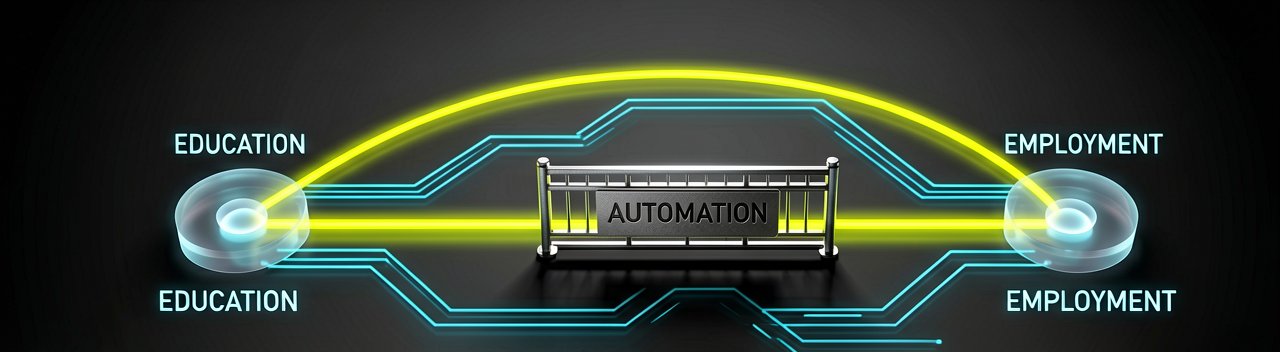
Reading Between the Lines: The corporate push to frame automated tools as the ultimate savior of economic efficiency overlooks a stark, systemic contradiction. Silicon Valley aggressively pitches automated systems to universities as the ultimate tools for learning, while simultaneously marketing those exact same systems to employers as a viable replacement for the graduates those universities produce. This creates an absurd educational loop where students are encouraged to use automated tools to earn degrees, only to enter a labor market where corporate leadership rejects their applications in favor of the software itself. The escalating commencement protests are a direct response to this economic double standard, as young professionals refuse to applaud the very technology used to justify their entry-level displacement.
Furthermore, the tech sector's obsession with automated productivity reveals a fundamental misunderstanding of long-term corporate sustainability. In their rush to trim operational overhead by automating entry-level research, programming, and design tasks, companies are systematically dismantling their own talent pipelines. The entry-level workforce has historically served as the vital training ground where raw academic theory matures into nuanced professional leadership. By outsourcing these foundational responsibilities to software models, organizations risk creating a critical mentorship gap, leaving them with no experienced human leadership to navigate complex crises that automated pattern-recognition cannot solve.
Ultimately, the standing ovations for Steve Wozniak’s celebration of "actual intelligence" demonstrate that the market value of human ingenuity rises when digital repetition becomes cheap and ubiquitous. While capital markets remain infatuated with scaling computing power and cutting headcount, the upcoming generation of professionals is forcing a necessary cultural correction. They are demanding an economic model that treats technological advancement as a tool for human empowerment rather than an excuse for human erasure. The ultimate measure of any technology's success will not be its ability to mimic human capability on a stage, but its capacity to respect and elevate the unique value of the people using it.
"We have spent billions of dollars and decades of elite engineering trying to build a machine that can think exactly like a human being, only to find ourselves deeply offended whenever it actually manages to inherit our talent for confidently making things up."
Artūras Malašauskas is an AI Systems Integrator with 20+ years of production-grade web engineering experience. He has designed, shipped, and scaled enterprise Python/PHP systems for logistics, SaaS, and public-sector clients. For the past year, he has focused exclusively on AI integrations: deploying open-source LLMs, building generative media pipelines (image, audio, video), and engineering multi-agent workflows for real production environments. His standard: reproducibility, security, cost-efficient inference—no vaporware. He documents and evaluates emerging AI tooling, separating verified capabilities from marketing noise. Technical editor at: muza-ai.eu, ai-verslas.lt, ai-naujinos.lt Connect on LinkedIn
Comments