Bridging the Assurance Gap: Cranium and ISTARI Team Up to Tame the Enterprise AI Wild West
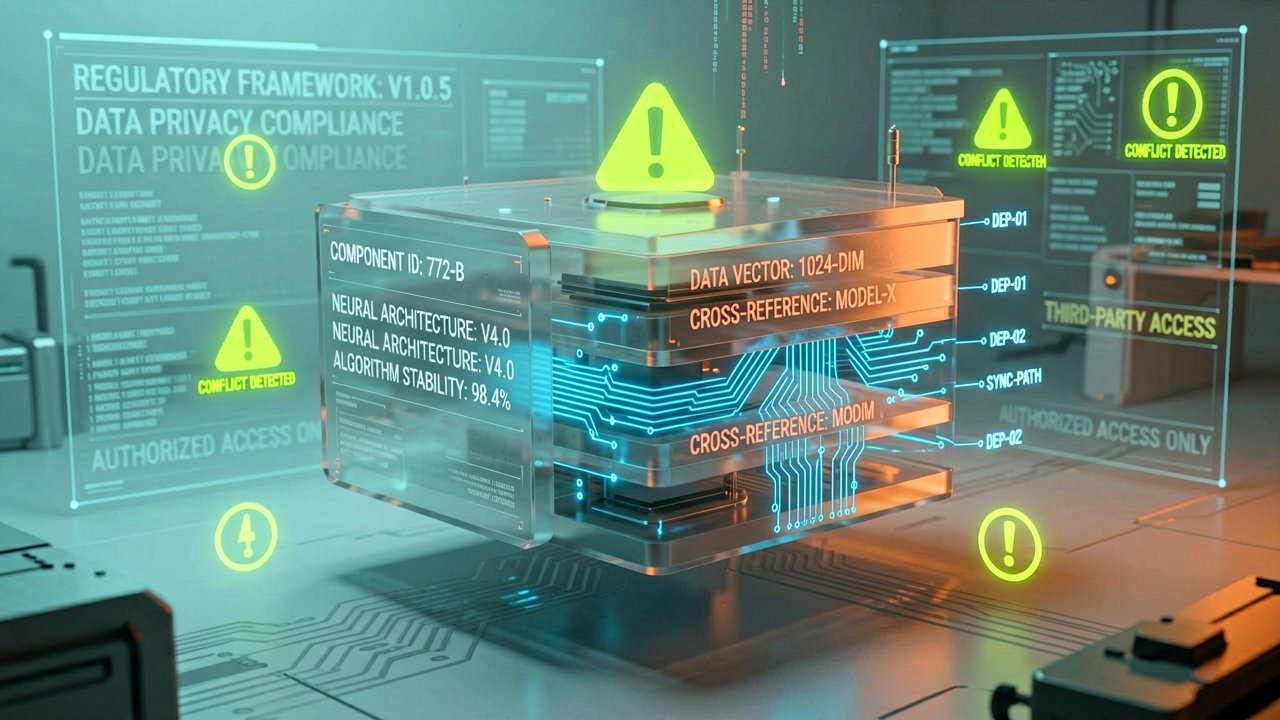
The enterprise AI gold rush has a glaring problem: companies are deploying machine learning models far faster than they can secure them. In a bid to turn fragmented, reactive AI experiments into a structured defense framework, AI security platform Cranium AI and cybersecurity advisory heavyweight ISTARI have announced a Business Wire -reported global strategic alliance. It's an aggressive move designed to bridge the chasm between grand executive AI ambitions and the harsh realities of real-time compliance and risk mitigation.
For most Chief Information Security Officers (CISOs), managing modern AI risk has been a manual headache. Models are hidden in localized environments, third-party software vendors silently inject untested algorithms into enterprise codebases, and shadow AI runs rampant. By fusing Cranium’s automated discovery and testing software with ISTARI's deep regulatory advisory and operational architecture, this alliance intends to make AI risk tracking an intrinsic, continuous corporate function rather than a frantic checking of boxes before an audit.
Moving from Tooling to Operational Capability
The synergy here relies heavily on separating technical indicators from organizational execution. Cranium’s tech stack handles the heavy lifting on the backend. It offers continuous monitoring and visibility across internal and third-party AI assets while tracking vulnerabilities against shifting global frameworks. However, automated software alerts only matter if an organization knows how to respond to them.
That is where ISTARI, a cybersecurity firm backed by Singapore's Temasek, enters the picture. Its practitioners step in to embed those algorithmic flags directly into a company’s broader operational workflow, building governance structures that protect the executive suite. As global frameworks like the EU AI Act dictate strict compliance realities for enterprise technology, this unified approach translates technical risk signals into data-driven compliance documentation that corporate boards can actually interpret and defend.
The Hidden Fault Lines of Corporate AI Governance
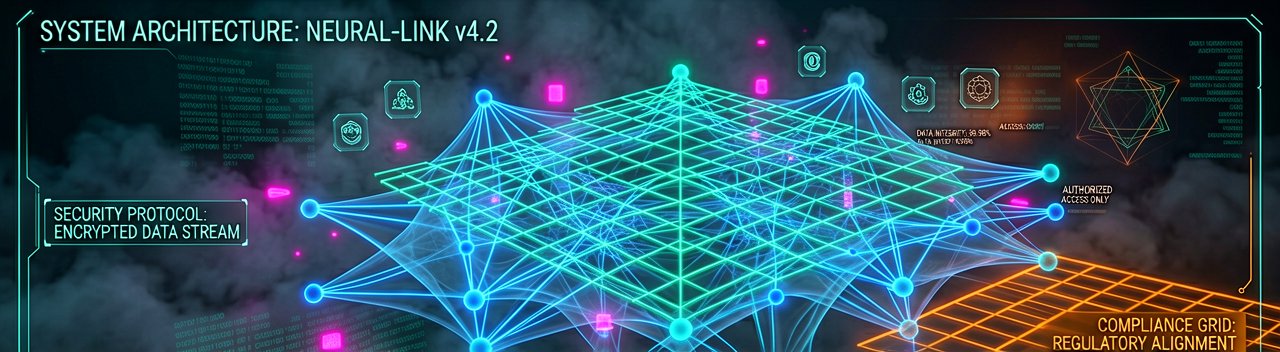
Behind the Tech Infrastructure: The real battleground for enterprise AI isn't the software deployment itself; it's the cultural friction between engineering teams and risk management executives. For years, data scientists have operated under a "move fast and break things" ethos, pushing models into production with minimal oversight. When security teams step in with traditional IT protocols, they often paralyze innovation. This alliance recognizes that automated discovery tools are useless if the underlying corporate culture views security as an obstacle rather than an enabler.
Historically, cybersecurity focused on protecting static perimeters and known codebases. Machine learning flips this paradigm on its head by introducing data poisoning, model inversion, and prompt injection vulnerabilities that mutate in real-time. A model that tests secure on Monday might drift by Friday due to fresh data inputs. This unpredictability makes it nearly impossible for CISOs to sign off on compliance metrics without continuous, programmatic validation. The marriage of Cranium's live telemetry and ISTARI's strategic framework is an attempt to solve this visibility crisis.
Moreover, the supply chain risk is reaching a boiling point. Most enterprises don't build large language models from scratch; they customize open-source foundation models or lean on third-party SaaS integrations. This creates a massive blind spot, as companies unknowingly inherit vulnerabilities buried deep within upstream data sets. By emphasizing a rigorous "AI Bill of Materials" (AIBOM), the partnership targets this exact vulnerability, forcing vendors to prove the integrity of their models before they ever touch enterprise infrastructure.
Ultimately, regulatory pressure from international bodies is transforming AI security from an IT problem into a fiduciary liability. Boards are panicking over the financial penalties associated with data privacy violations and discriminatory algorithmic outputs. This collaboration shifts the narrative away from simple threat detection toward long-term digital resilience. It acknowledges that in the modern threat landscape, a company's competitive edge depends entirely on the verifiable trustworthiness of its automated decision engines.

The Reality Check: Can Governance Keep Pace with Code?
Reading Between the Lines: It is easy to celebrate a strategic alliance as the definitive answer to enterprise AI anxiety, but the reality on the ground is far messier. The foundational assumption behind these governance platforms is that corporate leaders actually know where all their AI models reside. In practice, shadow AI is an intractable reality. An engineer using an unsanctioned browser extension to clean up proprietary code creates an immediate, untracked vulnerability that no centralized platform can instantly discover without draconian, productivity-killing network locks.
There is also an inherent contradiction in trying to apply rigid regulatory frameworks like the EU AI Act to technology that changes on a weekly basis. Compliance certifications are, by their very nature, a snapshot in time. An AI model is a living, evolving entity that alters its behavioral outputs based on user prompts and dynamic data streams. Labeling an AI system as "secure" because it passed an ISTARI-vetted audit or ticked a box on Cranium’s dashboard creates a false sense of security that sophisticated threat actors are already exploiting.
Furthermore, the economic incentives are heavily skewed against cautious governance. Wall Street continues to reward companies that announce rapid AI integrations, while punishing those that delay product launches to conduct exhaustive security reviews. CISOs find themselves caught in an impossible squeeze play: corporate boards demand absolute safety but refuse to tolerate any drag on development velocity. Security partnerships often end up acting as expensive corporate insurance policies, purchased more to deflect blame after an inevitable breach than to actually halt the frantic rush toward automation.
Looking ahead, the enterprise landscape will likely fragment into companies that treat AI governance as a genuine operational discipline and those that treat it as a public relations shield. True security requires a level of engineering discipline and data hygiene that most legacy enterprises simply lack the talent or patience to maintain. Tools and consulting frameworks provide the blueprint, but they cannot magically instill institutional discipline into an organization that is fundamentally addicted to cutting corners for speed.
"Securing modern enterprise AI is a bit like trying to build a cage for a creature that hasn't finished mutating yet; you can buy the sturdiest padlocks on the market, but it won't matter much if the beast decides to grow wings and fly over the bars while the compliance team is still reviewing the blueprint."
Artūras Malašauskas is an AI Systems Integrator with 20+ years of production-grade web engineering experience. He has designed, shipped, and scaled enterprise Python/PHP systems for logistics, SaaS, and public-sector clients. For the past year, he has focused exclusively on AI integrations: deploying open-source LLMs, building generative media pipelines (image, audio, video), and engineering multi-agent workflows for real production environments. His standard: reproducibility, security, cost-efficient inference—no vaporware. He documents and evaluates emerging AI tooling, separating verified capabilities from marketing noise. Technical editor at: muza-ai.eu, ai-verslas.lt, ai-naujinos.lt Connect on LinkedIn
Comments