The Boardroom is the New Bunker: AI, Geopolitics, and the Corporate Cyber Frontline

For decades, enterprise security was treated like a glorified digital padlock—a necessary, if somewhat tedious, line item designed to keep financial opportunistic hackers out of corporate databases. But that era is officially dead. Today, the world's largest companies find themselves unwilling combatants on a heavily weaponized digital frontline, caught squarely in the crosshairs of asymmetric nation-state conflicts. The catalyst driving this radical shift isn't just a breakdown in traditional international diplomacy. It is the explosive, largely unregulated weaponization of advanced artificial intelligence.
The latest industry data paints an alarming picture for CEOs who still view cybersecurity as merely an IT problem. According to recent findings published by Reuters , AI-enabled adversaries increased their attacks by a staggering 89% year-over-year. This rapid escalation has effectively flattened the barrier to entry for malicious actors while giving sophisticated state-sponsored groups unprecedented, automated scale. Corporate networks are no longer just repositories for consumer data; they are strategic battlegrounds where global superpowers collide to pinch intellectual property, disrupt supply chains, and secure a macroeconomic edge.
When Geopolitics Met Agentic AI
We are no longer dealing with simple phishing scams or localized ransomware. The modern threat landscape is defined by "agentic" AI—autonomous software capable of scanning enterprise infrastructure, discovering zero-day vulnerabilities, and executing complex lateral movements without human intervention. This has compressed breakout times down to mere minutes, sometimes even seconds. When political volatility spikes, these automated systems are unleashed against specific economic sectors to maximize pressure. Global boardrooms are realizing they must defend their assets against the digitized military-industrial complexes of foreign adversaries.
The Blur Between Corporate Espionage and Warfare
The primary objective of these state-aligned syndicates has shifted from fast financial extortion to deep, persistent economic sabotage. Hackers targeting Western enterprises are increasingly seeking out proprietary technology, autonomous vehicle blueprints, and cutting-edge biotech research to artificially boost their own domestic markets. In this hyper-fragmented global economy, an attack on a critical defense contractor or a major medical manufacturer is functionally a geopolitical chess move. Traditional corporate defenses are structurally unequipped to handle adversaries with sovereign state backing, meaning the business world must aggressively pivot toward zero-trust architectures and shared cross-industry intelligence to survive the onslaught.
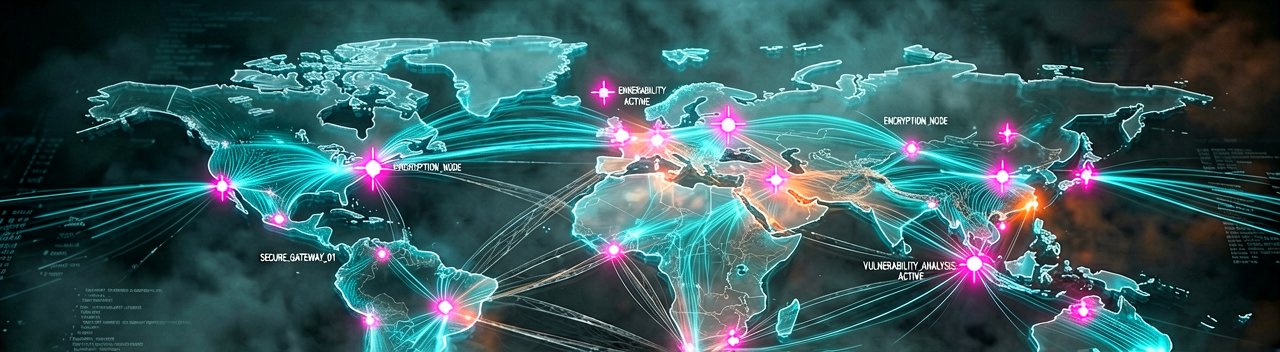
What Most Reports Miss: The current corporate cyber crisis is not a temporary spike in tech-driven mischief, but a permanent structural realignment of global risk. Behind the closed doors of defense briefings, intelligence officials now openly track a concept known as "continuous pressure"—the relentless deployment of autonomous scripts explicitly calibrated to stress-test the geopolitical fault lines of Western economies. Historical context reveals that state-backed cyber actions used to follow predictable spikes, usually trailing physical military operations or highly public diplomatic collapses. Now, the timeline is blurred beyond recognition as algorithmic threat actors work around the clock, systematically treating private enterprises as surrogate targets for sovereign disputes.
This paradigm shift has triggered a sharp division among corporate stakeholders. Chief Information Security Officers (CISOs), traditionally tasked with keeping operational lights on, find themselves thrust into the role of geopolitical strategist. They are forced to aggressively implement zero-trust protocols across global divisions while facing stiff pushback from Chief Financial Officers (CFOs) cautious of skyrocketing capital expenditures. Balancing the urgent need for cryptographic agility against quarterly profit targets has created deep friction in the C-suite. Yet, enterprise data frameworks show that waiting to adapt is a losing bet, especially as defensive teams struggle to match the blistering pace of automated, non-human adversarial incursions.
The tactical reality on the ground highlights an entirely new playbook for digital warfare. Rather than relying on highly dramatic, immediate data wipes, modern state-aligned units have refined "living-off-the-land" methodologies. These stealth operations weaponize standard, pre-installed administrative tools already living within a company's network infrastructure. By blending seamlessly into ordinary corporate workflows, malicious AI agents can slowly siphon off critical data or quietly compromise foundational supply chains over months or years without triggering standard security alerts.
Furthermore, the long-term horizons of this conflict extend far past current machine learning capabilities. Forward-looking enterprises are already grappling with the looming threat of the post-quantum era, where advanced computing architectures threaten to render traditional asymmetric encryption entirely obsolete. Adversaries are currently executing "harvest now, decrypt later" campaigns—stealing highly encrypted corporate data today with the explicit intention of parsing it once powerful quantum resources mature. Consequently, the survival of global organizations depends heavily on moving away from passive triage and establishing an anticipatory, hyper-resilient posture that bridges the gap between technological defense and macroeconomic reality.
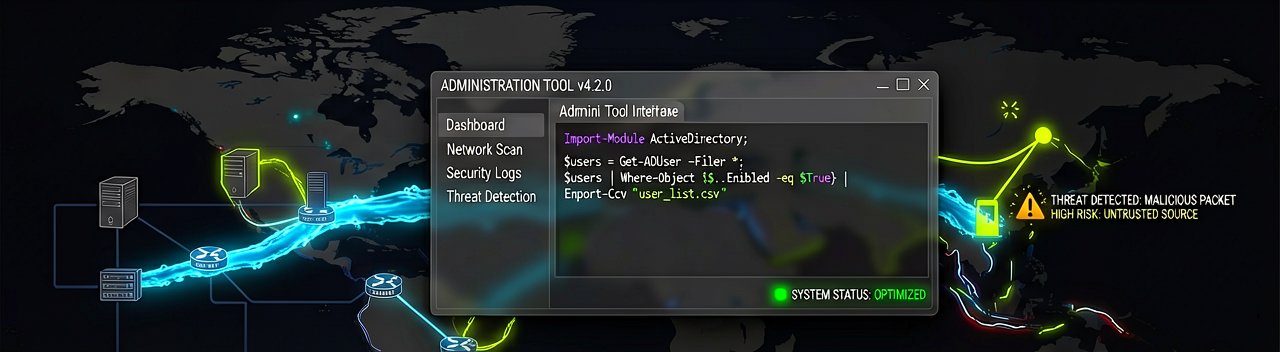
Reading Between the Lines: The prevailing corporate narrative suggests that the solution to AI-driven threats is simply buying more AI-driven defense software. This circular logic fuels a highly lucrative cyber-industrial complex but conveniently ignores a fundamental contradiction: the very tools marketed to protect enterprise networks are built on the same open-source foundations exploited by foreign adversaries. By treating security as a software procurement race, global corporations are effectively outsourcing their core defense strategies to third-party tech vendors. This creates massive, centralized points of failure, where a single flawed patch or compromised vendor can instantly expose thousands of global businesses to state-backed infiltration.
Furthermore, there is a glaring disconnect between executive rhetoric and actual boardroom behavior regarding cyber resilience. While CEOs frequently issue stark public warnings about geopolitical volatility, internal budget allocations often tell a completely different story. Many organizations continue to measure security efficacy through the flawed lens of regulatory compliance checklists rather than real-world adversarial testing. This superficial approach creates a false sense of security, leaving companies highly vulnerable to sophisticated, state-sponsored campaigns that easily bypass standardized defense frameworks.
The long-term implication of this ongoing digital arms race is a fragmentation of the global internet ecosystem, forcing multinational corporations to navigate a messy patchwork of conflicting sovereign digital borders. As nation-states increasingly assert control over data localization and AI development within their territories, businesses are stuck in the middle, trying to maintain operational cohesion while complying with incompatible legal mandates. This regulatory friction significantly drives up operational costs and drastically slows down international collaboration, turning the dream of a seamless global digital economy into a historical footnote.
The modern corporate boardroom has finally realized it is at war, yet its preferred strategy remains throwing capital at the problem and hoping the algorithms fight nicely among themselves.
Artūras Malašauskas is an AI Systems Integrator with 20+ years of production-grade web engineering experience. He has designed, shipped, and scaled enterprise Python/PHP systems for logistics, SaaS, and public-sector clients. For the past year, he has focused exclusively on AI integrations: deploying open-source LLMs, building generative media pipelines (image, audio, video), and engineering multi-agent workflows for real production environments. His standard: reproducibility, security, cost-efficient inference—no vaporware. He documents and evaluates emerging AI tooling, separating verified capabilities from marketing noise. Technical editor at: muza-ai.eu, ai-verslas.lt, ai-naujinos.lt Connect on LinkedIn
Comments