Google’s Gemini Omni is the Conversational Video Editor We’ve Been Waiting For
Google just blew the doors off the "text-to-video" race at I/O 2026, and they’re doing it with a model that actually understands what you’re trying to build. Unlike the one-and-done generators we’ve seen before, the new Gemini Omni model isn't just about making pretty clips from a prompt; it’s a full-blown creative partner designed for conversational editing. According to Google Blog, Omni combines the core reasoning of Gemini with generative media capabilities to turn any combination of text, images, and audio into high-quality video that stays consistent even as you tweak it.
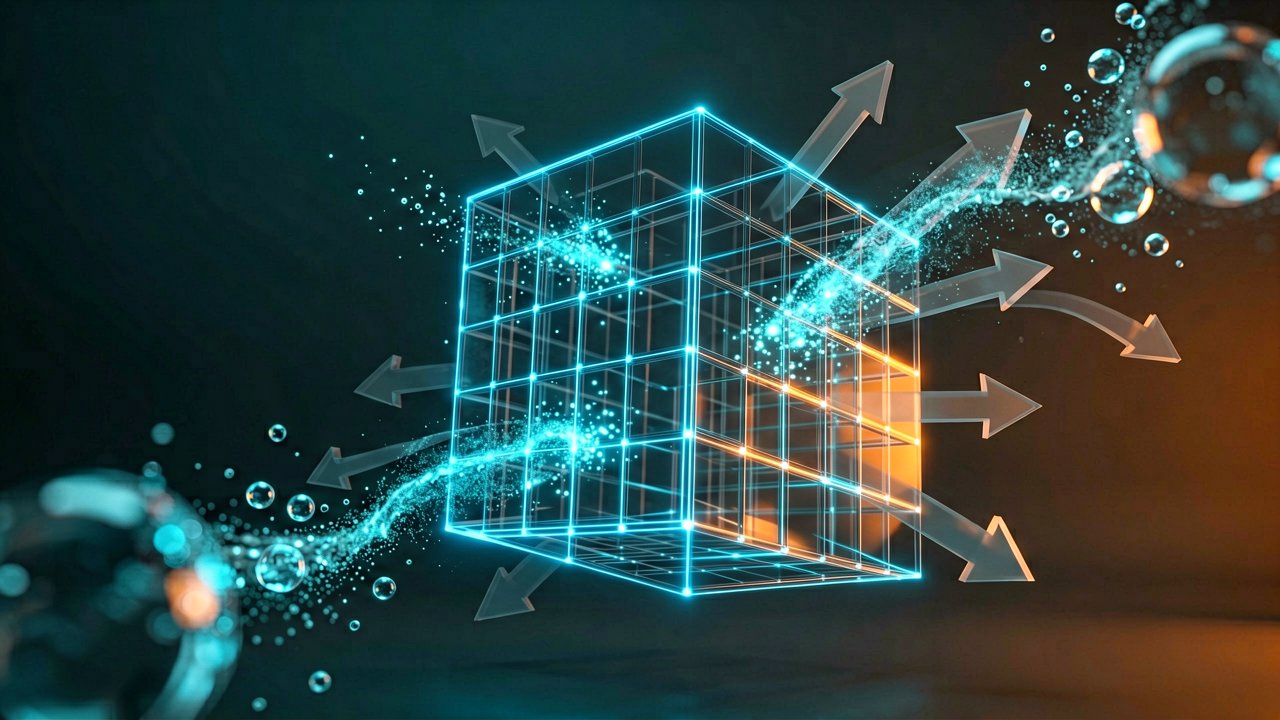
The real magic here is the "multi-turn" editing. We’ve all been there: you generate an AI video, love the lighting, but hate the character’s hat. Normally, you’d have to roll the dice on a brand-new prompt and hope for the best. With Omni, you just tell it to "swap the hat for a crown," and it happens while keeping the rest of the scene intact. As reported by TechCrunch, this model understands the "physics, culture, and context" of what it's creating, allowing for complex transformations like turning a metal sculpture into a cluster of bubbles without losing the original camera movement.
Beyond the Prompt: Avatars and Real-World Integration
Google isn't just letting you make movies; they want you to star in them. Omni includes a sophisticated avatar feature that lets users create digital versions of themselves that look and sound eerily accurate. You can drop these avatars into entirely new environments or styles just by chatting with the AI. For those ready to dive in, Storyboard18 notes that the first iteration, Gemini Omni Flash, is already rolling out to YouTube Shorts and the Gemini app for Pro and Ultra subscribers.
World Understanding as a Creative Tool
What sets Omni apart is its "world model" approach. It isn't just predicting the next pixel; it's simulating reality. This means better character consistency and more realistic movement that feels grounded in real-world logic. Whether you're using it to build professional-grade explainers or just a weird selfie for social media, the tech feels less like a toy and more like a tool. Google is clearly signaling that the future of video isn't just about generation—it's about the ability to "create anything from anything" through a simple, natural conversation.
Google just blew the doors off the "text-to-video" race at I/O 2026, and they’re doing it with a model that actually understands what you’re trying to build. Unlike the one-and-done generators we’ve seen before, the new Gemini Omni model isn't just about making pretty clips from a prompt; it’s a full-blown creative partner designed for conversational editing. According to Google Blog, Omni combines the core reasoning of Gemini with generative media capabilities to turn any combination of text, images, and audio into high-quality video that stays consistent even as you tweak it.
The real magic here is the "multi-turn" editing. We’ve all been there: you generate an AI video, love the lighting, but hate the character’s hat. Normally, you’d have to roll the dice on a brand-new prompt and hope for the best. With Omni, you just tell it to "swap the hat for a crown," and it happens while keeping the rest of the scene intact. As reported by TechCrunch, this model understands the "physics, culture, and context" of what it's creating, allowing for complex transformations like turning a metal sculpture into a cluster of bubbles without losing the original camera movement.
Beyond the Prompt: Avatars and Real-World Integration
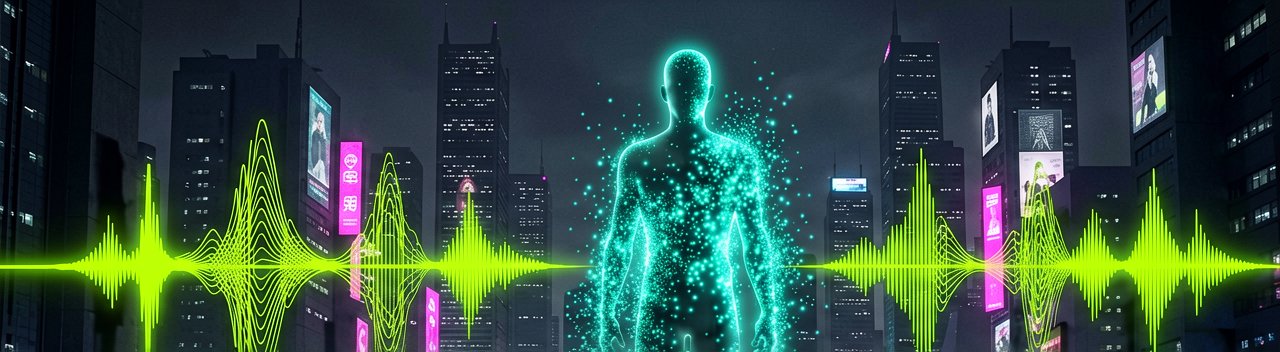
Google isn't just letting you make movies; they want you to star in them. Omni includes a sophisticated avatar feature that lets users create digital versions of themselves that look and sound eerily accurate. You can drop these avatars into entirely new environments or styles just by chatting with the AI. For those ready to dive in, Storyboard18 notes that the first iteration, Gemini Omni Flash, is already rolling out to YouTube Shorts and the Gemini app for Pro and Ultra subscribers.
What Most Reports Miss: The Death of the "One-Shot" Lottery
The industry pivot: For the last eighteen months, the AI video space has been a slot machine where creators pull the lever on a prompt and hope for a jackpot. If the output was 90% perfect, that last 10% usually meant starting over from scratch. Gemini Omni signals a fundamental shift from generation to iteration. By treating video as a live, malleable object rather than a static rendered file, Google is moving the goalposts for competitors like OpenAI’s Sora. This shift toward "conversational state" means the AI remembers the spatial layout of your scene across multiple prompts, which is a massive leap for workflow reliability.

From a technical perspective, this isn't just about more compute; it's about the fusion of the large language model (LLM) and the diffusion model. Previously, these were often separate components taped together. In Omni, the reasoning engine and the visual engine are unified. This allows the system to understand that if you ask to "make the wind blow harder," the trees should move, the character’s hair should ruffle, and the audio should reflect a gust—all in sync. This level of semantic coherence is something early pioneers in the space struggled to achieve without heavy manual intervention.
Stakeholders in the film and advertising industries are watching this with a mix of awe and trepidation. While the ability to rapidly prototype scenes is a godsend for pre-visualization, the precision of Omni’s avatar system raises significant questions about digital rights and personality ownership. Google has countered these concerns by embedding SynthID watermarks into every frame, a move intended to separate "AI-augmented" reality from authentic footage. However, the ease with which a creator can now produce a high-fidelity video of themselves in a location they’ve never visited marks a point of no return for digital storytelling.
Historically, Google has been criticized for being "cautious to a fault" while more nimble startups grabbed the headlines. With Omni, the company seems to have found its footing by leveraging its strongest asset: the YouTube ecosystem. By integrating these tools directly into Shorts, they aren't just releasing a model; they are deploying a factory for billions of creators. This isn't just a tech demo; it’s a bid to ensure that the next generation of visual media is built on Google’s infrastructure.
The broader implication for the software market is the potential obsolescence of entry-level editing suites. When an AI can perform color grading, object removal, and scene lighting through a chat interface, the barrier to entry for high-quality production collapses. We are entering an era where the "director’s chair" is a text box, and the limiting factor is no longer technical skill, but the clarity of the user’s vision. The democratization of high-end visual effects is now officially underway, moving from the studio backlot to anyone with a smartphone and a Gemini subscription.
Google just blew the doors off the "text-to-video" race at I/O 2026, and they’re doing it with a model that actually understands what you’re trying to build. Unlike the one-and-done generators we’ve seen before, the new Gemini Omni model isn't just about making pretty clips from a prompt; it’s a full-blown creative partner designed for conversational editing. According to Google Blog, Omni combines the core reasoning of Gemini with generative media capabilities to turn any combination of text, images, and audio into high-quality video that stays consistent even as you tweak it.
The real magic here is the "multi-turn" editing. We’ve all been there: you generate an AI video, love the lighting, but hate the character’s hat. Normally, you’d have to roll the dice on a brand-new prompt and hope for the best. With Omni, you just tell it to "swap the hat for a crown," and it happens while keeping the rest of the scene intact. As reported by TechCrunch, this model understands the "physics, culture, and context" of what it's creating, allowing for complex transformations like turning a metal sculpture into a cluster of bubbles without losing the original camera movement.
Beyond the Prompt: Avatars and Real-World Integration
Google isn't just letting you make movies; they want you to star in them. Omni includes a sophisticated avatar feature that lets users create digital versions of themselves that look and sound eerily accurate. You can drop these avatars into entirely new environments or styles just by chatting with the AI. For those ready to dive in, Storyboard18 notes that the first iteration, Gemini Omni Flash, is already rolling out to YouTube Shorts and the Gemini app for Pro and Ultra subscribers.
What Most Reports Miss: The Death of the "One-Shot" Lottery
The industry pivot: For the last eighteen months, the AI video space has been a slot machine where creators pull the lever on a prompt and hope for a jackpot. If the output was 90% perfect, that last 10% usually meant starting over from scratch. Gemini Omni signals a fundamental shift from generation to iteration. By treating video as a live, malleable object rather than a static rendered file, Google is moving the goalposts for competitors like OpenAI’s Sora. This shift toward "conversational state" means the AI remembers the spatial layout of your scene across multiple prompts, which is a massive leap for workflow reliability.
From a technical perspective, this isn't just about more compute; it's about the fusion of the large language model (LLM) and the diffusion model. Previously, these were often separate components taped together. In Omni, the reasoning engine and the visual engine are unified. This allows the system to understand that if you ask to "make the wind blow harder," the trees should move, the character’s hair should ruffle, and the audio should reflect a gust—all in sync. This level of semantic coherence is something early pioneers in the space struggled to achieve without heavy manual intervention.
The democratization of high-end visual effects is now officially underway, moving from the studio backlot to anyone with a smartphone and a Gemini subscription. However, this ease of use comes with a caveat regarding the loss of technical craft. As the "director’s chair" becomes a text box, the industry faces a strange paradox where everyone is a filmmaker but nobody knows how to light a scene. The limiting factor is no longer technical skill, but the clarity of the user’s vision and the ability to articulate intent to a machine.
Reading Between the Lines: The Illusion of Frictionless Control
Reading between the lines: Google’s pitch for Gemini Omni hinges on the promise of "perfect control," but history suggests that generative AI is rarely as compliant as a marketing demo implies. While the multi-turn editing sounds like a dream for workflow, the reality often involves "prompt drift," where small adjustments to a scene’s physics or lighting inadvertently cascade into hallucinations elsewhere. There is a fine line between an AI that takes direction and an AI that interprets your request into something unrecognizable. We have to wonder if creators will spend more time arguing with a model’s interpretation of "cinematic" than they would have spent just learning how to use a standard timeline editor.
Furthermore, the integration of avatars into YouTube Shorts is a brilliant move for user retention, but it creates a fundamental contradiction in the platform's "authentic" brand. Google is effectively incentivizing a world where influencers can post "daily" vlogs from exotic locales while never leaving their bedrooms. If everyone has access to the same hyper-realistic Omni templates, the aesthetic of the internet risks becoming a feedback loop of perfectly polished, yet hollow, synthetic reality. This move puts Google in the position of being both the provider of the "truth" through search and the primary manufacturer of the "fake" through Omni.
There is also the matter of the "moat." By embedding these powerful editing tools directly into the Gemini app and YouTube, Google is leveraging its massive distribution advantage to starve out third-party startups. While the tech is impressive, it serves as a reminder that in the AI era, the most powerful model doesn't always win; the model with the most convenient "Install" button does. Skepticism remains as to whether Omni will truly empower professional filmmakers or simply flood the digital landscape with an infinite supply of increasingly indistinguishable, AI-refined content that lacks a human soul.
In the near future, the most valuable skill in Hollywood won't be knowing how to frame a shot, but knowing how to explain to a computer that 'moody lighting' doesn't mean making the protagonist look like they’re stuck in a haunted basement.
Artūras Malašauskas is an AI Systems Integrator with 20+ years of production-grade web engineering experience. He has designed, shipped, and scaled enterprise Python/PHP systems for logistics, SaaS, and public-sector clients. For the past year, he has focused exclusively on AI integrations: deploying open-source LLMs, building generative media pipelines (image, audio, video), and engineering multi-agent workflows for real production environments. His standard: reproducibility, security, cost-efficient inference—no vaporware. He documents and evaluates emerging AI tooling, separating verified capabilities from marketing noise. Technical editor at: muza-ai.eu, ai-verslas.lt, ai-naujinos.lt Connect on LinkedIn
Comments