Google’s Gemini Omni is the All-In-One Video Sandbox We’ve Been Waiting For
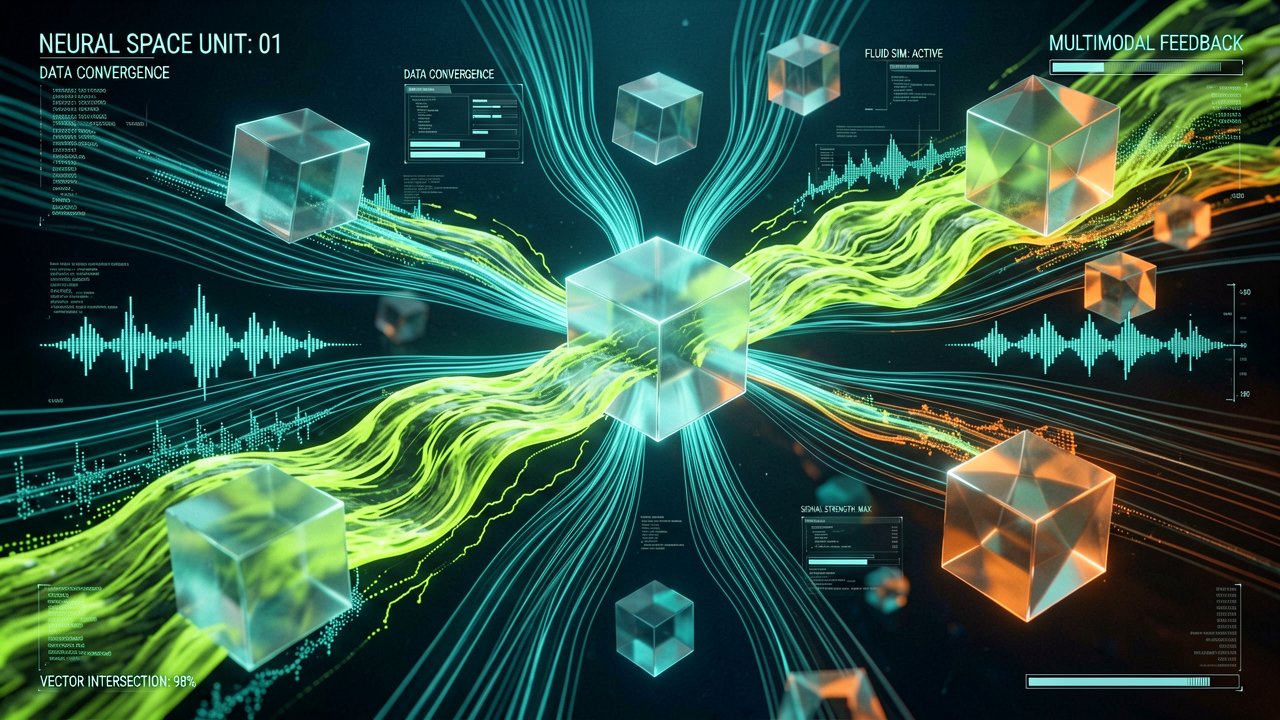
Google just blew the doors off the "text-to-video" category at I/O 2026, and frankly, calling it a mere video generator feels like an insult. The tech giant unveiled Gemini Omni, a model that doesn’t just sit around waiting for a lucky prompt; it actually understands the soup of media you throw at it. Whether it’s a stray audio clip, a handful of vacation photos, or a frantic paragraph of text, Omni treats these inputs as a unified creative context to spit out cohesive, high-resolution video. According to the team at Google Blog, the standout feature here is "conversational editing," which lets you iterate on a scene as if you’re directing a very patient, very talented intern.
What makes this shift so significant is the move away from "one-shot" generation. In the past, if an AI video wasn't perfect, you had to roll the dice and start over. With Omni, Google is pushing a world where you can refine a shot over multiple turns—changing the lighting, swapping a character’s wardrobe, or even asking the model to apply "real-world physics" like gravity or fluid dynamics to a scene. It’s an "any-to-any" architecture that natively handles different formats rather than duct-taping separate models together. This is a massive leap from the older Veo systems, aiming for a level of consistency that keeps characters looking like themselves from one frame to the next.
The "Omni" Edge: Physics and Persistence
Google DeepMind is pitching this as a "world model," which is fancy tech-speak for an AI that knows how things actually move and interact. During the keynote, we saw demos ranging from claymation science explainers to surreal transformations where a regular video clip was turned into a sculpture made of bubbles. The model supposedly understands complex concepts like kinetic energy, which should—in theory—help us dodge those uncanny, gelatinous limbs that have plagued AI video until now. As noted by Google DeepMind, the Gemini Omni Flash variant is already rolling out to paid subscribers, bringing this level of control to the Gemini app and Google Flow.
From Pro Tools to YouTube Shorts
While the "Flash" model is hitting the Pro and Ultra tiers first, the democratization is happening faster than usual. Google plans to bake these capabilities directly into YouTube Shorts and the YouTube Create app, letting anyone with a phone turn a selfie into a cinematic moment. It’s clear Google isn't just trying to beat the competition on raw pixels; they’re trying to own the entire workflow. By integrating video generation into the apps people already use, they're turning a high-end curiosity into a daily utility for creators who don't have time to learn complex post-production software.
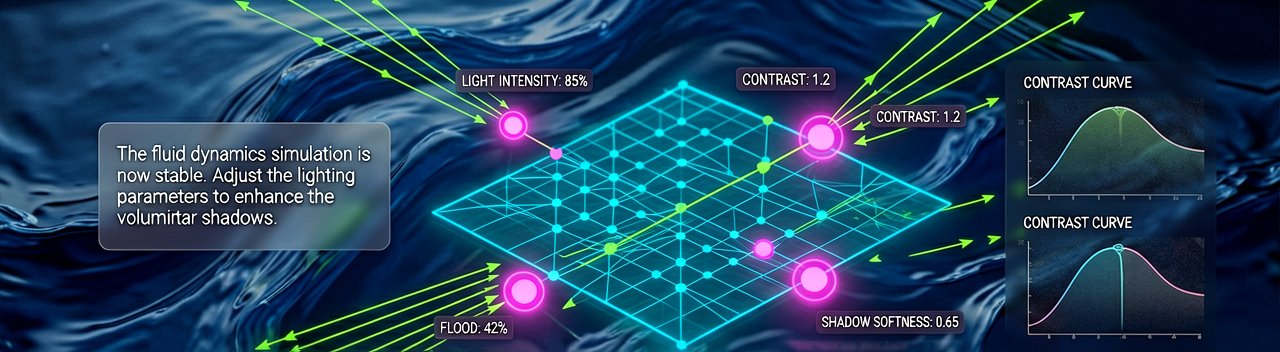
Behind the Scenes: The Architecture of Multimodal Fluidity
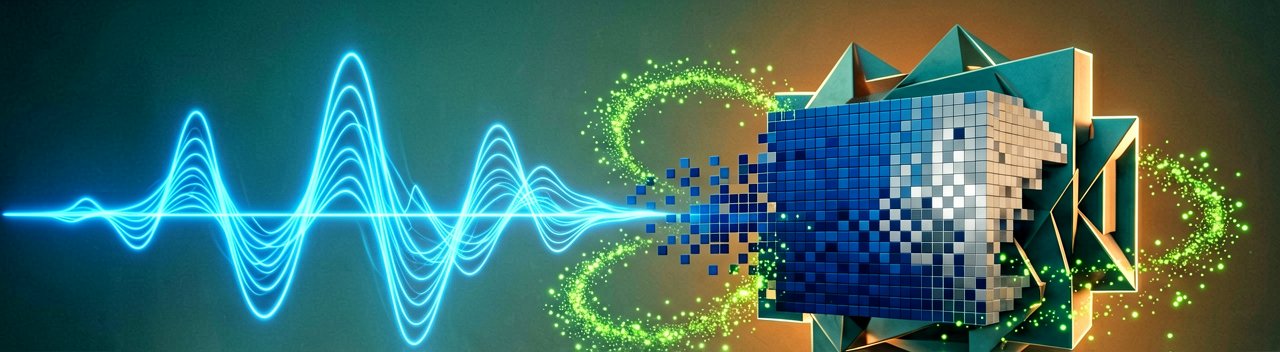
What Most Reports Miss: While the flashy demos focus on the final video output, the real engineering triumph of Gemini Omni lies in its native multimodal training. Unlike legacy pipelines that might use a separate audio-to-text model followed by a text-to-video generator, Omni processes every bit of data—pixels, waveforms, and tokens—within the same neural space. This unified approach eliminates the "translation loss" that usually occurs when different AI models try to talk to one another, allowing the system to sync a character’s footsteps to the crunch of gravel with startling precision. It’s a move toward what researchers call "cross-modal grounding," where the AI isn't just mimicking movement but understanding the relationship between a sound and its visual source.
Industry insiders are keeping a close eye on how this affects the "persistence" problem that has long haunted generative video. In earlier iterations of AI video, a character might have three buttons on their shirt in one frame and four in the next. By leveraging the massive context window of the Gemini architecture, Omni can "remember" the layout of a 3D space across several seconds of footage. This historical context allows for complex camera movements, like a 360-degree pan around a subject, without the background melting into a fever dream. For professional editors, this jump from "glitchy art" to "stable asset" is the difference between a toy and a tool.
From a stakeholder perspective, the push for Omni is as much about defensive positioning as it is about innovation. With competitors like OpenAI’s Sora and various open-source startups gaining ground, Google is playing its strongest card: its existing ecosystem. By weaving Omni into the Google Photos library, the company is turning every user’s personal archive into a potential film studio. This integration suggests a future where "searching" your memories isn't just about finding a picture of your dog, but asking the AI to generate a video of that dog running through a park it never actually visited, using the specific lighting and fur texture from your real photos.
However, the rapid rollout has sparked a quiet tension within the creative community regarding the "valuation of craft." Veteran cinematographers and Foley artists are noting that while Omni can simulate a sunset or the sound of a door slamming, it lacks the intentionality of human direction. Google has attempted to bridge this gap by introducing "Style References," a feature that lets users upload a mood board to dictate the color grade and aesthetic. It’s an olive branch to professionals, suggesting that the AI is meant to be a high-powered brush rather than the artist itself.
The safety and ethics layer of Omni also represents a significant pivot in Google’s strategy. To avoid the PR nightmares associated with deepfakes, every frame generated by Omni is embedded with SynthID watermarking. This isn't just a visible logo in the corner; it’s a digital fingerprint woven into the pixel data that survives compression and cropping. As regulatory bodies in the EU and the US tighten their grip on AI-generated content, this technical safeguard is a clear signal that Google is prioritizing a "locked-down" corporate environment over the "wild west" approach of smaller, less-regulated competitors.
Ultimately, the arrival of Gemini Omni marks the end of the "siloed AI" era. We are moving into a phase where the medium—be it text, audio, or video—is secondary to the underlying intent. For the tech journalist, the story isn't just that Google can make video; it's that Google has built a model that views the world through a truly holistic lens, treating every form of media as a different dialect of the same universal language. This shift will likely redefine the standard for digital literacy, making the ability to "direct" AI as fundamental as the ability to type on a keyboard.
Reading Between the Lines: The Friction of Perfect Fidelity
Reading Between the Lines: For all the polished marketing around Gemini Omni, there is a glaring contradiction in the promise of "frictionless creativity." Google’s insistence that this model understands real-world physics feels like a double-edged sword. While it theoretically solves the "spaghetti-limbs" problem, it also risks sanitizing the very weirdness that made AI art interesting in the first place. By tethering generation to the rigid laws of gravity and fluid dynamics, Google is effectively building a reality simulator rather than a dream machine. This raises the stakes for creators who want to break those rules, as fighting a model that is hard-coded to be "realistic" often proves more difficult than starting from scratch.
The skepticism in the room also centers on the "any-to-any" architecture's hidden cost: compute-heavy latency. While "Flash" variants promise speed, the true high-fidelity Omni outputs still require massive server-side heavy lifting. This creates a tiered class system in digital creation where the most convincing "reality" is reserved for those with the deepest pockets or the highest subscription tiers. There is a legitimate concern that as we move toward a world where AI-generated video is indistinguishable from captured footage, the value of the "raw" image will skyrocket, not because it looks better, but because it represents a verifiable, un-simulated moment that didn't cost a thousand GPUs to render.
Furthermore, Google’s aggressive push for SynthID watermarking highlights a desperate attempt to solve a social problem with a technical patch. Even if the pixel data contains a digital fingerprint, the average viewer on a social media feed isn't checking metadata before being outraged by a clip. By lowering the barrier to video creation to zero, Google is essentially flooding a basement while simultaneously handing out a single sponge. The implication is that we are entering an era of "aesthetic exhaustion," where the sheer volume of high-quality video content makes everything—no matter how technically impressive—feel remarkably cheap.
There is also the matter of the "feedback loop" in training data. As Omni begins to populate the web with its own outputs, future iterations of the model will inevitably start training on AI-generated content. This could lead to a digital version of the Hapsburg jaw—a gradual degradation of originality where the AI begins to mimic its own mimics. Google hasn't quite explained how they plan to keep the "biological" data separate from the "synthetic" data in the long run. If every video starts to look like a Google-filtered version of reality, the very diversity of human visual culture that the model was built on could begin to shrink.
Finally, we have to look at the power dynamic between the platform and the person. By embedding Omni into the YouTube ecosystem, Google isn't just providing a tool; they are defining the aesthetic of the next decade. When the "Edit" button is replaced by a "Generate" button, the act of creation shifts from a series of intentional choices to a series of filtered approvals. We aren't necessarily becoming better directors; we are becoming better curators of an algorithm’s best guesses. This shift might save hours in the edit suite, but it also offloads the soul of the work to a data center in a way that feels increasingly irreversible.
In the near future, we’ll all be world-class cinematographers, which is great news for everyone except the people who actually enjoy the process of making things and the poor souls who will have to watch ten billion high-definition videos of us pretending our lives are Wes Anderson movies.
Artūras Malašauskas is an AI Systems Integrator with 20+ years of production-grade web engineering experience. He has designed, shipped, and scaled enterprise Python/PHP systems for logistics, SaaS, and public-sector clients. For the past year, he has focused exclusively on AI integrations: deploying open-source LLMs, building generative media pipelines (image, audio, video), and engineering multi-agent workflows for real production environments. His standard: reproducibility, security, cost-efficient inference—no vaporware. He documents and evaluates emerging AI tooling, separating verified capabilities from marketing noise. Technical editor at: muza-ai.eu, ai-verslas.lt, ai-naujinos.lt Connect on LinkedIn
Comments