Anthropic’s Quiet ‘Wins’ in the Elon Musk/OpenAI Legal Hullabaloo
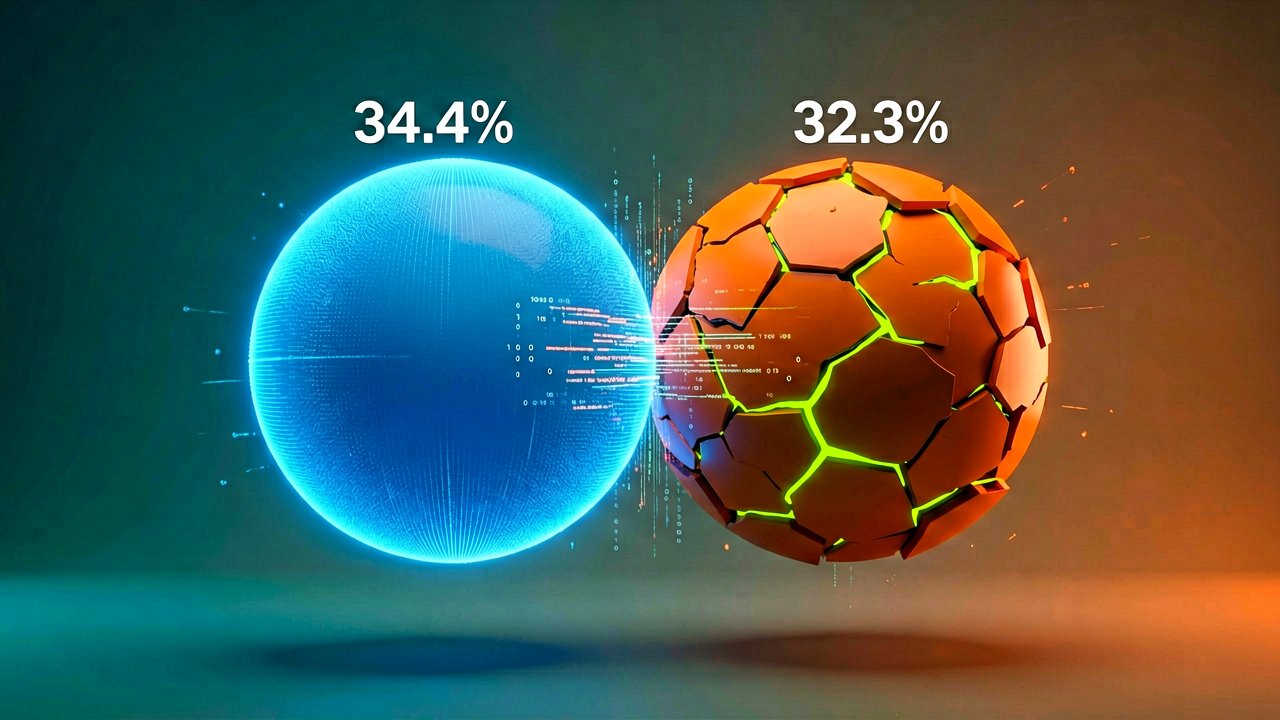
While the tech world spent the last few weeks hyper-fixated on the courthouse drama between Elon Musk and Sam Altman, a quiet but seismic shift occurred in the power dynamics of the AI industry. Anthropic, the "safety-first" lab founded by OpenAI defectors, didn't just sit on the sidelines—it effectively ate OpenAI's lunch in the corporate sector. As the legal circus reached its fever pitch, the Ramp AI Index confirmed that Anthropic has officially surpassed OpenAI in business adoption for the first time, securing a 34.4% market share against ChatGPT’s 32.3%.
The timing is more than just coincidental; it’s a masterclass in operational focus. While OpenAI leadership was mired in a three-week trial defending its nonprofit roots and dealing with the "reputation-damage discount" that comes with a messy public feud, Anthropic was heads-down signing enterprise deals and scaling its revenue run rate to a staggering $30 billion. Industry analysts from Business Insider suggest that while OpenAI may have won the battle in court, they are currently losing the war for the enterprise "narrative" as they prepare for a high-stakes IPO.
The Real Winner of the Courtroom Drama
What Most Reports Miss: The true cost of the Musk-OpenAI lawsuit wasn't the potential $134 billion in damages, but the massive cognitive and administrative overhead it placed on OpenAI's executive team. While Sam Altman was being grilled about "looting a charity," Anthropic CEO Dario Amodei was reportedly overseeing an 80-fold growth in revenue and usage during the first quarter of 2026 alone. This wasn't just a lucky break; it was a calculated pivot to capitalize on a corporate America that is increasingly wary of the "chaos factor" associated with OpenAI’s governance.
Stakeholders in the enterprise space are prioritizing stability and compliance over the flashiness of a CEO who is constantly in the headlines for the wrong reasons. According to data reported by The Wall Street Journal, eight of the Fortune 10 companies now run critical workloads on Claude, Anthropic’s flagship model. The pivot is clear: when the stakes are billions of dollars in corporate workflows, "boring and stable" beats "revolutionary and litigious" every single time.
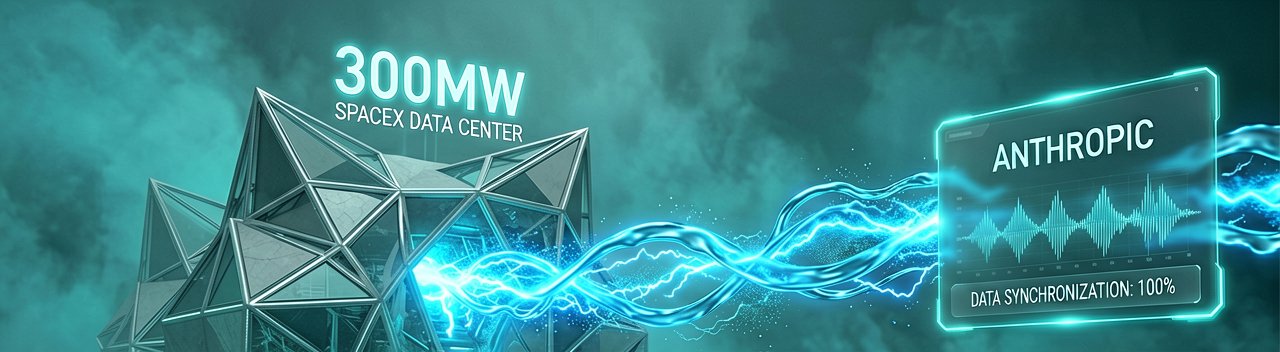
Furthermore, the emergence of a massive data center deal between SpaceX—Musk’s own aerospace giant—and Anthropic adds a delicious layer of irony to the saga. Reports from Al Jazeera indicate that SpaceX is providing Anthropic with 300 megawatts of compute capacity. By essentially subsidizing OpenAI’s biggest rival, Musk hasn't just challenged Altman in court; he’s actively building the infrastructure for the competitor most likely to dethrone him.
This shift isn't just about market share; it’s about the financial trajectory. Anthropic’s annualized revenue run rate jumped from $9 billion at the end of 2025 to $30 billion by April 2026, a growth curve that Medium reports has no precedent in the history of B2B software. As both companies prepare for their respective public debuts, the "safety-first" underdog has successfully repositioned itself as the adult in the room, leaving OpenAI to deal with the legal hangover of its own success.
The enterprise AI landscape is no longer a one-horse race dominated by the first mover. As developers flock to tools like Claude Code and businesses tighten their belts, Anthropic’s focus on high-margin, stable enterprise contracts has given them the leverage they need to potentially lead the upcoming wave of AI IPOs. OpenAI may have cleared the "legal overhang" from the Musk lawsuit, but they now face a much more formidable challenge: a competitor that spent the trial season winning over their customers.
While the tech world spent the last few weeks hyper-fixated on the courthouse drama between Elon Musk and Sam Altman, a quiet but seismic shift occurred in the power dynamics of the AI industry. Anthropic, the "safety-first" lab founded by OpenAI defectors, didn't just sit on the sidelines—it effectively ate OpenAI's lunch in the corporate sector. As the legal circus reached its fever pitch, the Ramp AI Index confirmed that Anthropic has officially surpassed OpenAI in business adoption for the first time, securing a 34.4% market share against ChatGPT’s 32.3%.
The timing is more than just coincidental; it’s a masterclass in operational focus. While OpenAI leadership was mired in a three-week trial defending its nonprofit roots and dealing with the "reputation-damage discount" that comes with a messy public feud, Anthropic was heads-down signing enterprise deals and scaling its revenue run rate to a staggering $30 billion. Industry analysts from Business Insider suggest that while OpenAI may have won the battle in court, they are currently losing the war for the enterprise "narrative" as they prepare for a high-stakes IPO.
The Real Winner of the Courtroom Drama
What Most Reports Miss: The true cost of the Musk-OpenAI lawsuit wasn't the potential $134 billion in damages, but the massive cognitive and administrative overhead it placed on OpenAI's executive team. While Sam Altman was being grilled about "looting a charity," Anthropic CEO Dario Amodei was reportedly overseeing an 80-fold growth in revenue and usage during the first quarter of 2026 alone. This wasn't just a lucky break; it was a calculated pivot to capitalize on a corporate America that is increasingly wary of the "chaos factor" associated with OpenAI’s governance.
Stakeholders in the enterprise space are prioritizing stability and compliance over the flashiness of a CEO who is constantly in the headlines for the wrong reasons. According to data reported by The Wall Street Journal, eight of the Fortune 10 companies now run critical workloads on Claude, Anthropic’s flagship model. The pivot is clear: when the stakes are billions of dollars in corporate workflows, "boring and stable" beats "revolutionary and litigious" every single time.
Furthermore, the emergence of a massive data center deal between SpaceX—Musk’s own aerospace giant—and Anthropic adds a delicious layer of irony to the saga. Reports from Al Jazeera indicate that SpaceX is providing Anthropic with 300 megawatts of compute capacity. By essentially subsidizing OpenAI’s biggest rival, Musk hasn't just challenged Altman in court; he’s actively building the infrastructure for the competitor most likely to dethrone him.
The Skeptic’s Lens on the Revenue Surge
Reading Between the Lines: The $30 billion revenue run rate Anthropic is currently flaunting deserves a healthy dose of scrutiny before we crown a new king. Much of this growth is predicated on massive, multi-year cloud credits and reciprocal deals with Amazon and Google, which can often inflate "revenue" figures without reflecting actual cash flow. While the Medium analysis highlights the record-breaking pace, it glosses over the fact that Anthropic’s burn rate remains equally historic, keeping them tethered to the very Big Tech overlords they claim to be providing a "safer" alternative to.
There is also a glaring contradiction in the "safety" narrative that Anthropic uses as its primary marketing shield. As the company scales into the massive SpaceX data centers, the environmental and energy costs of their "Constitutional AI" approach start to look indistinguishable from the "move fast and break things" ethos they supposedly left behind at OpenAI. The irony is palpable: to stay ahead of the "unsafe" competitor, Anthropic is forced to adopt the same aggressive infrastructure expansion and power-hungry compute cycles that define the industry’s darker side.
Ultimately, the legal hullabaloo served as a convenient smokescreen for a deeper consolidation of power. While the public was distracted by Musk’s tweets and Altman’s deposition, the AI market quietly transitioned from a visionary frontier to a traditional duopoly. Anthropic hasn't necessarily "won" by being more virtuous; they’ve won by being better at the corporate game of staying out of the headlines while quietly locking in the contracts that actually move the needle on a balance sheet.
"In the high-stakes world of AI, the best way to win a public legal battle is to make sure your competitor is the only one actually showing up to the fight while you spend the afternoon quietly depositing their clients' checks."
Artūras Malašauskas is an AI Systems Integrator with 20+ years of production-grade web engineering experience. He has designed, shipped, and scaled enterprise Python/PHP systems for logistics, SaaS, and public-sector clients. For the past year, he has focused exclusively on AI integrations: deploying open-source LLMs, building generative media pipelines (image, audio, video), and engineering multi-agent workflows for real production environments. His standard: reproducibility, security, cost-efficient inference—no vaporware. He documents and evaluates emerging AI tooling, separating verified capabilities from marketing noise. Technical editor at: muza-ai.eu, ai-verslas.lt, ai-naujinos.lt Connect on LinkedIn
Comments