The Silicon Shield: Pentagon Bets on AI to Guard Air Force Networks
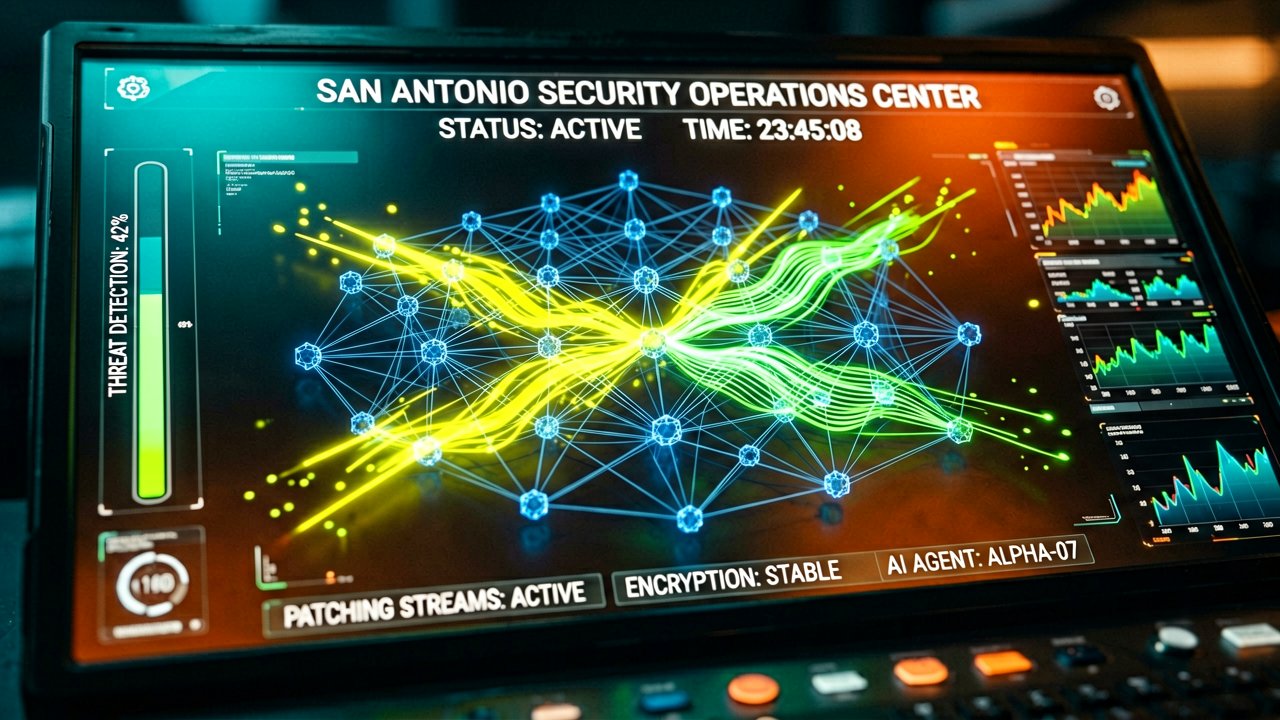
The U.S. Air Force is officially moving past the era of manual "patch-and-pray" cybersecurity. In a significant strategic pivot, the Pentagon has awarded a $40 million contract to World Wide Technology (WWT) to build an AI-powered Security Operations Center (SOC). This high-tech nerve center, based in San Antonio, is designed to monitor military networks around the clock, shifting the burden of threat detection from exhausted human analysts to automated systems capable of acting at machine speed. With nation-state hackers increasingly deploying their own AI tools to probe for weaknesses, the Air Force is betting that only a machine can catch a machine.
According to the 2026 Threat Detection Report, these AI-driven systems have already demonstrated the ability to slash investigation times from over 30 minutes to under two minutes. This isn't just a minor efficiency gain; it’s a total reimagining of the "kill chain." By automating the identification of sophisticated cyber intrusions, the Air Force aims to close the window of opportunity for adversaries before they can move laterally through sensitive networks. As reported by Defence Blog, the initiative reflects a broader push to modernize defense infrastructure in the face of an adversary environment that is faster and more dangerous than traditional static perimeters were ever built to handle.
The Race Against "Bugmageddon"
What Most Reports Miss: The current scramble to integrate frontier AI models into the Pentagon’s classified networks is less about flashy new tech and more about a desperate race to solve "tech debt." For decades, the Air Force has relied on a patchwork of legacy systems where manual code audits could take weeks to identify a single vulnerability. Today, officials are looking at models like Anthropic’s Mythos to shrink that timeline to mere seconds. However, this transition isn't without friction; internal stakeholders are increasingly worried about a phenomenon dubbed "bugmageddon," where the same AI speed used for patching is turned against the Pentagon to automate large-scale software exploitation.
Historical context matters here. The Pentagon's shift to an "AI-first" doctrine, as detailed by the Institute for National Security Studies, represents a fundamental move away from viewing AI as a support tool to treating it as foundational infrastructure. This mirrors the early days of DARPA’s "AI Next" campaign, but with a sharper focus on real-time operational survivability. We are seeing a move from isolated pilot projects toward a "cloud-to-edge" architecture where AI-vetted code can be pushed down to tactical units in contested environments without waiting for a human green light from a central command.

The human element remains the ultimate wildcard in this algorithmic arms race. While the U.S. Air Force is actively recruiting a new generation of AI-literate "Cyber Warfare Operators," there is a quiet tension between the Pentagon’s need for "any lawful use" capabilities and the ethical guardrails preferred by Silicon Valley giants. Companies like Anthropic have previously drawn "red lines" regarding autonomous weapons and mass surveillance, leading the Department of War to diversify its vendor pool to avoid "vendor lock." This tension highlights a pivot point: the military isn't just buying software; it's negotiating the moral and technical boundaries of future warfare.
Financially, the stakes are rising in lockstep with the complexity of the code. Cyberspace funding has ballooned to over $15 billion for fiscal 2026, with nearly $2 billion specifically earmarked for AI and machine learning. This investment is being channeled into "digital proving grounds"—isolated sandboxes where new AI agents can hunt for bugs without risking the integrity of live operational networks. These environments are essential because, as any seasoned reporter knows, AI is notoriously brittle; a model that works in a controlled test might behave unpredictably when faced with the "noise" of a real-world saturation attack.
Ultimately, the Pentagon is attempting to build a self-healing network that mirrors biological immune systems. By using reinforcement learning to automate "network hardening," the Air Force is moving toward a proactive stance rather than a reactive one. The goal is a system that doesn't just alert a human to a breach, but changes its own configuration to isolate the threat before the human analyst has even finished their first sip of coffee. It’s a bold gamble on automation that assumes the speed of the machine will always outpace the ingenuity of the hacker.
Beyond the San Antonio SOC, the broader implications for the "military-industrial-AI complex" are coming into focus. The Pentagon recently opened its classified networks to a "multi-provider" array of companies including OpenAI, Google, and SpaceX. This strategy ensures that even if one AI model fails or is compromised, the Air Force has redundant "digital brains" to keep the lights on. This level of integration suggests that in the coming years, the most critical battles won't be fought with physical aircraft, but within the silent, invisible layers of code that allow those aircraft to fly.
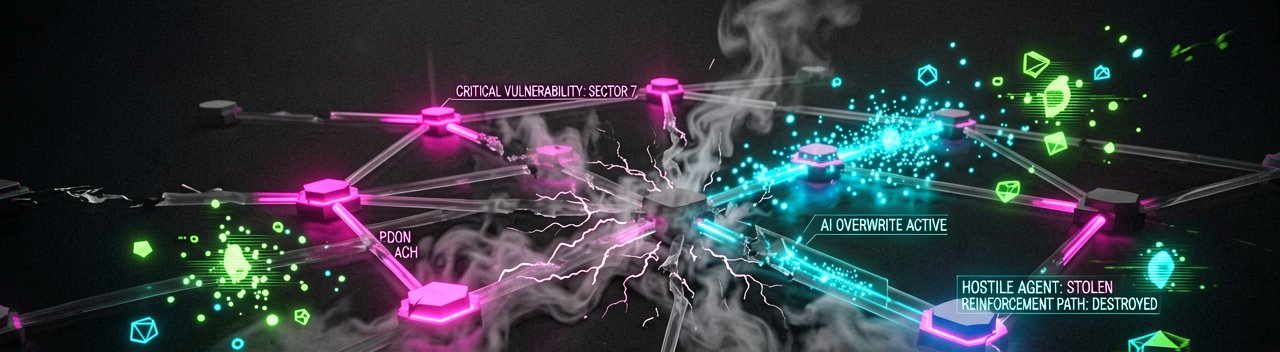
The U.S. Air Force is officially moving past the era of manual "patch-and-pray" cybersecurity. In a significant strategic pivot, the Pentagon has awarded a $40 million contract to World Wide Technology (WWT) to build an AI-powered Security Operations Center (SOC). This high-tech nerve center, based in San Antonio, is designed to monitor military networks around the clock, shifting the burden of threat detection from exhausted human analysts to automated systems capable of acting at machine speed. With nation-state hackers increasingly deploying their own AI tools to probe for weaknesses, the Air Force is betting that only a machine can catch a machine.
According to the 2026 Threat Detection Report, these AI-driven systems have already demonstrated the ability to slash investigation times from over 30 minutes to under two minutes. This isn't just a minor efficiency gain; it’s a total reimagining of the "kill chain." By automating the identification of sophisticated cyber intrusions, the Air Force aims to close the window of opportunity for adversaries before they can move laterally through sensitive networks. As reported by Defence Blog, the initiative reflects a broader push to modernize defense infrastructure in the face of an adversary environment that is faster and more dangerous than traditional static perimeters were ever built to handle.
The Race Against "Bugmageddon"
What Most Reports Miss: The current scramble to integrate frontier AI models into the Pentagon’s classified networks is less about flashy new tech and more about a desperate race to solve "tech debt." For decades, the Air Force has relied on a patchwork of legacy systems where manual code audits could take weeks to identify a single vulnerability. Today, officials are looking at models like Anthropic’s Mythos to shrink that timeline to mere seconds. However, this transition isn't without friction; internal stakeholders are increasingly worried about a phenomenon dubbed "bugmageddon," where the same AI speed used for patching is turned against the Pentagon to automate large-scale software exploitation.
Historical context matters here. The Pentagon's shift to an "AI-first" doctrine, as detailed by the Institute for National Security Studies, represents a fundamental move away from viewing AI as a support tool to treating it as foundational infrastructure. This mirrors the early days of DARPA’s "AI Next" campaign, but with a sharper focus on real-time operational survivability. We are seeing a move from isolated pilot projects toward a "cloud-to-edge" architecture where AI-vetted code can be pushed down to tactical units in contested environments without waiting for a human green light from a central command.
The human element remains the ultimate wildcard in this algorithmic arms race. While the U.S. Air Force is actively recruiting a new generation of AI-literate "Cyber Warfare Operators," there is a quiet tension between the Pentagon’s need for "any lawful use" capabilities and the ethical guardrails preferred by Silicon Valley giants. Companies like Anthropic have previously drawn "red lines" regarding autonomous weapons and mass surveillance, leading the Department of War to diversify its vendor pool to avoid "vendor lock." This tension highlights a pivot point: the military isn't just buying software; it's negotiating the moral and technical boundaries of future warfare.
Financially, the stakes are rising in lockstep with the complexity of the code. Cyberspace funding has ballooned to over $15 billion for fiscal 2026, with nearly $2 billion specifically earmarked for AI and machine learning. This investment is being channeled into "digital proving grounds"—isolated sandboxes where new AI agents can hunt for bugs without risking the integrity of live operational networks. These environments are essential because, as any seasoned reporter knows, AI is notoriously brittle; a model that works in a controlled test might behave unpredictably when faced with the "noise" of a real-world saturation attack.
Ultimately, the Pentagon is attempting to build a self-healing network that mirrors biological immune systems. By using reinforcement learning to automate "network hardening," the Air Force is moving toward a proactive stance rather than a reactive one. The goal is a system that doesn't just alert a human to a breach, but changes its own configuration to isolate the threat before the human analyst has even finished their first sip of coffee. It’s a bold gamble on automation that assumes the speed of the machine will always outpace the ingenuity of the hacker.
Beyond the San Antonio SOC, the broader implications for the "military-industrial-AI complex" are coming into focus. The Pentagon recently opened its classified networks to a "multi-provider" array of companies including OpenAI, Google, and SpaceX. This strategy ensures that even if one AI model fails or is compromised, the Air Force has redundant "digital brains" to keep the lights on. This level of integration suggests that in the coming years, the most critical battles won't be fought with physical aircraft, but within the silent, invisible layers of code that allow those aircraft to fly.
The Algorithmic Fog of War
Reading Between the Lines: The Pentagon’s pivot to AI defense carries an implicit, uncomfortable admission: our networks have become too complex for humans to govern. While the $40 million San Antonio contract is framed as a strategic win, it also underscores a growing dependency on "black box" logic. We are effectively handing the keys of the kingdom to algorithms that even their creators struggle to fully interpret. This creates a paradox where the very tool meant to eliminate human error introduces a new, more opaque form of systemic risk—one where a single "hallucination" in a security model could theoretically lock out legitimate users during a kinetic crisis.
Measured skepticism is required when evaluating the claim that AI will "solve" the cybersecurity talent gap. Historically, every major technological leap in defense has simply shifted the bottleneck rather than removing it. Instead of needing thousands of entry-level analysts to stare at scrolling logs, the Air Force will now require a hyper-elite corps of "model whisperers" capable of debugging an autonomous system that has gone off the rails. We aren't necessarily saving manpower; we are just making the required manpower significantly more expensive and difficult to recruit from a private sector that pays in stock options rather than service medals.
Furthermore, the assumption that AI defense will naturally outpace AI offense is a gamble that ignores the inherent "attacker's advantage" in cyberspace. In a world of generative malware and automated fuzzing, a defender has to be right 100% of the time, while an AI-powered adversary only needs to find one novel edge case. By centralizing defense within an AI-driven SOC, the Air Force may be inadvertently creating a "single point of failure" if an adversary manages to poison the training data or trigger an adversarial evasion technique. The transition to machine-speed defense is inevitable, but it likely replaces a series of small, manageable fires with the potential for one massive, automated conflagration.
"We’ve spent decades teaching soldiers how to march in a straight line, only to realize that the most important boots on the ground in the next war will actually be lines of code that don’t even have feet—let’s just hope the algorithm doesn't decide that the most efficient way to secure the network is to turn it off entirely."
Artūras Malašauskas is an AI Systems Integrator with 20+ years of production-grade web engineering experience. He has designed, shipped, and scaled enterprise Python/PHP systems for logistics, SaaS, and public-sector clients. For the past year, he has focused exclusively on AI integrations: deploying open-source LLMs, building generative media pipelines (image, audio, video), and engineering multi-agent workflows for real production environments. His standard: reproducibility, security, cost-efficient inference—no vaporware. He documents and evaluates emerging AI tooling, separating verified capabilities from marketing noise. Technical editor at: muza-ai.eu, ai-verslas.lt, ai-naujinos.lt Connect on LinkedIn
Comments