Spotify Adds AI-Generated Personal Podcasts to Library
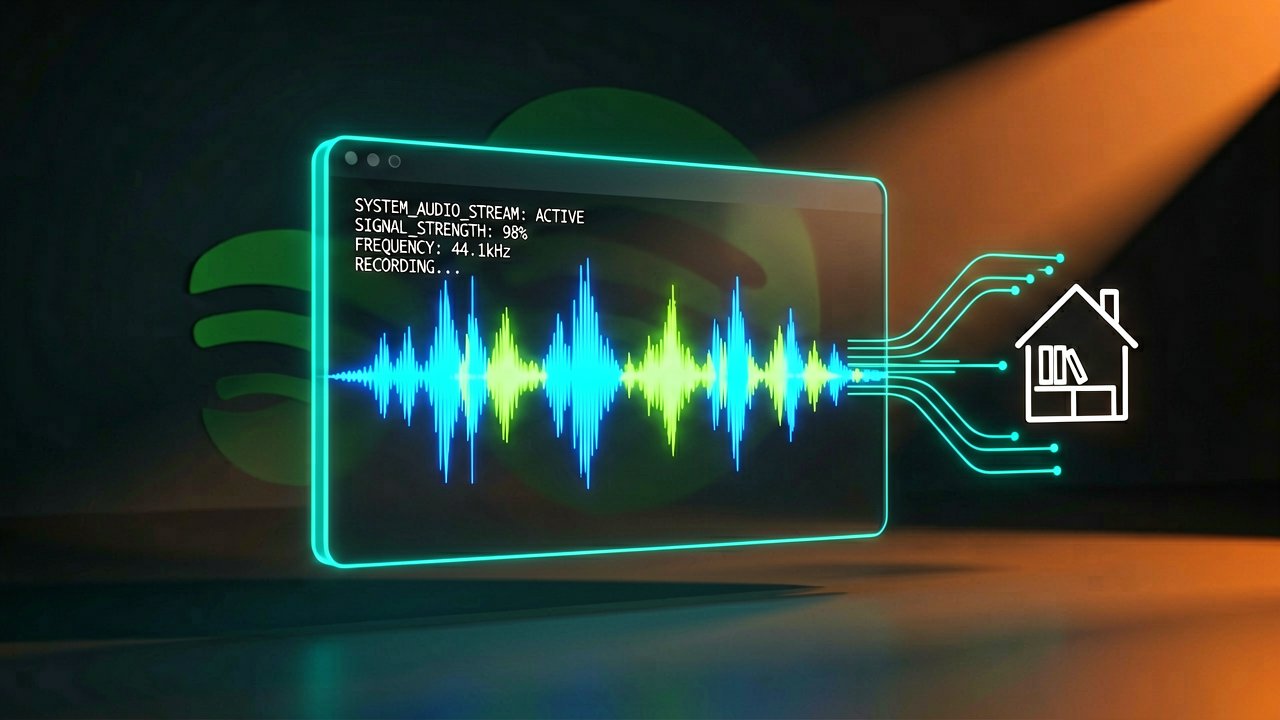
The streaming giant Spotify has quietly launched a beta feature that lets users save AI-generated audio content directly to their library. The tool, called Save to Spotify CLI, works through command-line interfaces and integrates with AI coding agents like OpenAI's Codex or Anthropic's Claude Code. Once generated, these personal podcasts appear alongside music and regular shows in Your Library.
According to the company's official announcement, the feature responds to growing demand for personalized audio that guides daily activities. Users can create daily briefings, study guides from class notes, or weekly itineraries. The audio syncs across all devices connected to their Spotify account, maintaining the platform's core promise of seamless access.
Here's where it gets technical. This isn't a button you tap in the mobile app. You need to install the CLI tool from GitHub, sign in via browser, then prompt your AI agent to generate content. The process feels more like developer work than casual listening (which might alienate the average commuter who just wants their morning briefing without terminal access).
The official Spotify newsroom post outlines the workflow: install the tool, authenticate, describe what you want to hear, and the agent creates the audio file. A link then appears in your Spotify library for playback anywhere.

TechCrunch noted this follows similar capabilities from Google's NotebookLM and Adobe Acrobat, but Spotify's integration is unique because it places the generated content directly into an existing audio ecosystem. The podcasts remain private to the user and don't appear publicly on the platform.
Independent reporting from Macrumors confirms the beta availability for eligible Free and Premium subscribers worldwide. Usage limits apply during the testing period, though Spotify hasn't specified exact thresholds.
The physical experience matters here. When you open Spotify on your phone after generating a briefing, the audio file loads like any other podcast episode. You can skip, rewind, or add it to a playlist. The friction comes from the setup phase—navigating GitHub, running terminal commands, managing API connections—before you ever hear the first word.
This launch follows Spotify's Claude integration from last month, which lets users connect their accounts to the chatbot for music and podcast recommendations. The Personal Podcasts feature extends that relationship further, turning Spotify into a destination for AI-generated content rather than just a playback platform.
Industry observers note the strategic positioning. By embedding AI-generated audio in their existing library structure, Spotify avoids creating a separate app or interface. The content lives where users already spend time, reducing friction for adoption.
However, the technical barrier remains significant. Most Spotify users aren't comfortable with command-line tools or AI coding agents. The feature essentially requires programming knowledge to access, which contradicts Spotify's historical emphasis on simplicity and accessibility.
News.Az reported on the launch from Azerbaijan, citing Macrumors as their source. The story's appearance in regional outlets suggests Spotify's global rollout strategy, though the feature itself has no Azerbaijan-specific functionality or localization.
Spotify's documentation mentions several use cases: morning briefings with meeting flags and weather updates, educational audio series from saved articles, or progressive learning guides with built-in pause points. The flexibility is there, but the implementation requires technical comfort.
The company stated they'll continue improving the experience based on listener feedback. As the beta expands, aspects may evolve with usage limits in place during testing. Whether Spotify will simplify the interface for non-technical users remains unclear.
Whether users actually adopt this beyond early adopters and developers remains the real question. The feature works, but the setup friction could limit mainstream appeal significantly.
Artūras Malašauskas is an AI Systems Integrator with 20+ years of production-grade web engineering experience. He has designed, shipped, and scaled enterprise Python/PHP systems for logistics, SaaS, and public-sector clients. For the past year, he has focused exclusively on AI integrations: deploying open-source LLMs, building generative media pipelines (image, audio, video), and engineering multi-agent workflows for real production environments. His standard: reproducibility, security, cost-efficient inference—no vaporware. He documents and evaluates emerging AI tooling, separating verified capabilities from marketing noise. Technical editor at: muza-ai.eu, ai-verslas.lt, ai-naujinos.lt Connect on LinkedIn
Comments