Google Unveils Gemini 4, 8th-Gen TPUs at Cloud Next '26
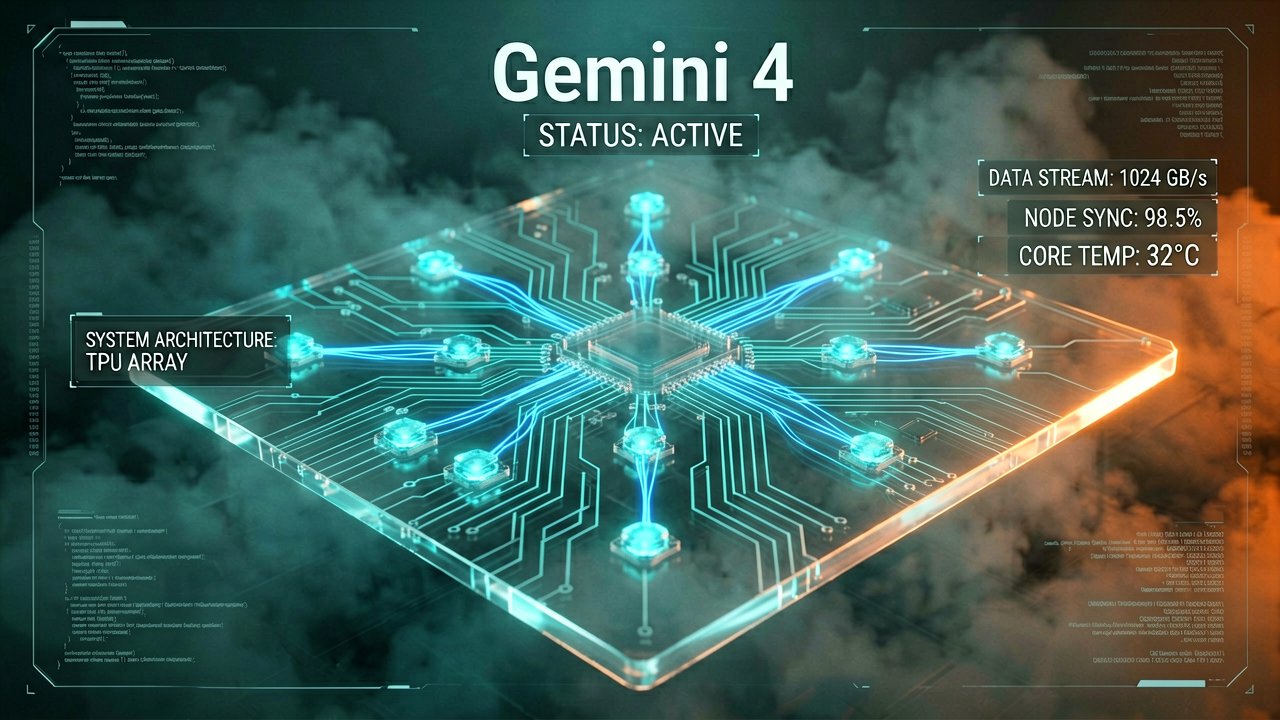
Google capped off April 2026 with a comprehensive suite of AI announcements spanning enterprise infrastructure, developer tools, and consumer applications. The centerpiece was the launch of Gemini 4, which the company describes as its most capable open model to date, alongside eighth-generation Tensor Processing Units built specifically for what Google calls the "agentic era."
These updates were unveiled during the Cloud Next '26 event, where more than 32,000 attendees witnessed over 260 announcements. According to Google's official blog post, CEO Sundar Pichai highlighted that nearly 75% of Google Cloud customers are already leveraging AI solutions, with 330 organizations processing over a trillion tokens each in 2025 alone.
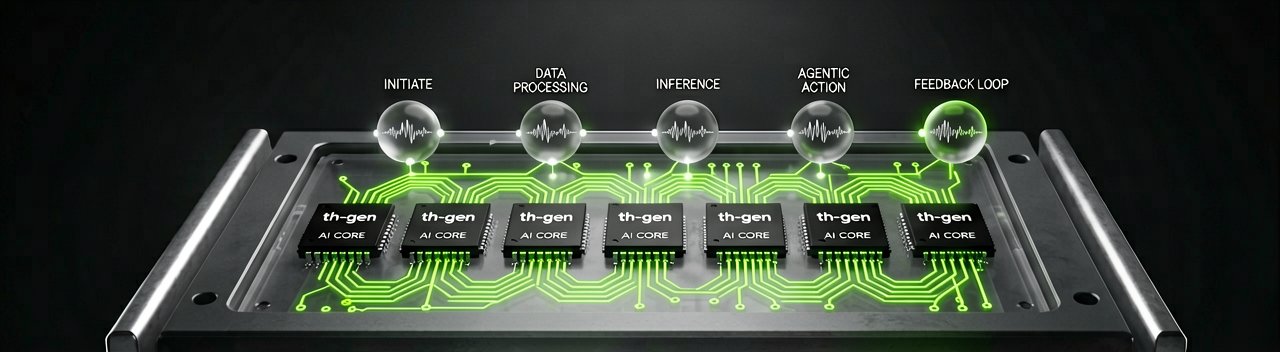
The term "agentic AI" appears repeatedly throughout the announcements. Google uses it to describe autonomous systems that manage multi-step business processes without constant human intervention. This isn't just marketing language—companies are already building workflows around it. The Gemini Enterprise Agent Platform lets organizations construct and govern AI agents tailored to specific needs, from supply chain logistics to customer service automation.
Hardware received significant attention too. The eighth-generation TPUs are custom-built to handle massive workloads while improving energy efficiency. This matters because AI models are growing larger and more resource-intensive (a problem that has plagued users for years, frankly). Google is co-designing silicon with hardware to deliver better power efficiency in data centers, aligning with sustainability goals.
For developers, the updates include Learn Mode in Colab, which transforms Gemini into a personal coding tutor. Rather than just writing code for you, it provides step-by-step guidance explaining both the "how" and "why" behind solutions. Google AI Studio also received increased usage limits for Pro and Ultra subscribers, plus a new "vibe coding" course launching in June 2026 in collaboration with Kaggle.
Consumer-facing updates weren't neglected. Google Vids now allows anyone with a Google account to generate up to 10 videos per month for free. The AI-powered video editing suite democratizes access to professional-grade production, particularly for small businesses and students. Meanwhile, Google Translate celebrated its 20th anniversary with new features like pronunciation practice on Android.
The Gemini app itself received substantial updates in April's "Gemini Drop." Native macOS support finally arrived, offering a faster desktop experience. Users can now create up to 3-minute tracks with Lyria 3 Pro, and Personal Intelligence features let you generate images reflecting your unique style using Nano Banana technology. Notebooks integrate directly with NotebookLM for managing chats and research.
One underreported but potentially transformative development is the TurboQuant algorithm, aimed at reducing memory footprints of large AI models. This could enable advanced AI capabilities on consumer devices like smartphones, potentially driving an upgrade cycle for manufacturers. The physical reality here is tangible—less waiting, more doing.
Google.org and the Johnson & Johnson Foundation also announced a $10 million rural healthcare initiative. The program brings AI training to rural U.S. healthcare workers, ensuring medical breakthroughs aren't limited to big-city hospitals. Fitbit's personal health coach received updates too, using Gemini to analyze biometrics and provide tailored advice.
Looking ahead, the next wave of updates likely ties to Google's annual I/O conference in May 2026. Traders and analysts will watch closely for signs of how these innovations translate into market performance. Whether users actually pay for these capabilities remains the real question.
Artūras Malašauskas is an AI Systems Integrator with 20+ years of production-grade web engineering experience. He has designed, shipped, and scaled enterprise Python/PHP systems for logistics, SaaS, and public-sector clients. For the past year, he has focused exclusively on AI integrations: deploying open-source LLMs, building generative media pipelines (image, audio, video), and engineering multi-agent workflows for real production environments. His standard: reproducibility, security, cost-efficient inference—no vaporware. He documents and evaluates emerging AI tooling, separating verified capabilities from marketing noise. Technical editor at: muza-ai.eu, ai-verslas.lt, ai-naujinos.lt Connect on LinkedIn
Comments