Meta Partners with Overview Energy and Noon Energy for Space Solar and Storage
Meta has announced partnerships with Overview Energy and Noon Energy to deploy space-based solar power and ultra-long-duration energy storage for its US data centers. The company secured a capacity reservation for up to 1 GW of orbit-to-grid energy from Overview Energy, making it one of the first major technology companies to commit to space solar. The Noon Energy partnership includes an initial 25 MW/2.5 GWh pilot demonstration expected by 2028, with scaling potential to 1 GW/100 GWh.
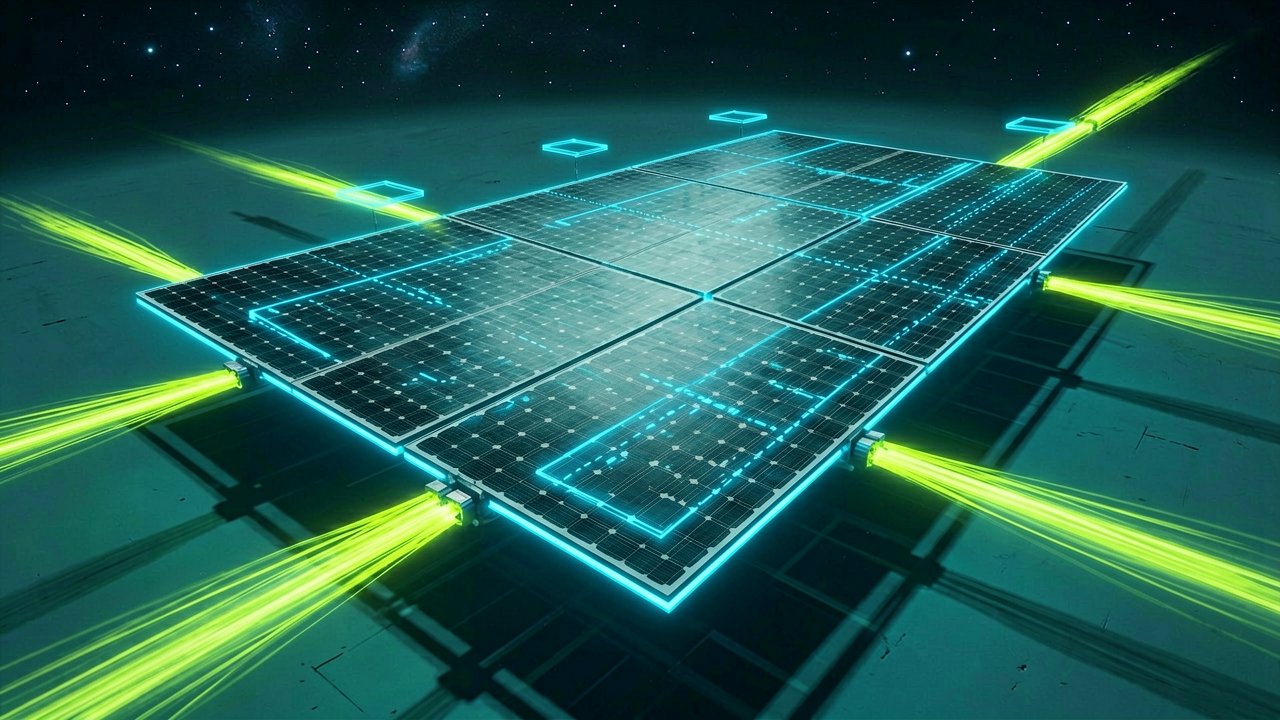
According to Meta's official announcement, the Overview Energy system places satellites in geosynchronous orbit roughly 22,000 miles above Earth's equator. These spacecraft collect continuous sunlight and beam it to ground-based solar facilities as low-intensity, near-infrared light. The existing solar farms convert this beam into electricity and feed it into the grid without requiring additional land or grid infrastructure modifications. This approach allows solar facilities to generate electricity day and night, maximizing their output.
Meta's blog post details the technical specifications and timeline. The orbital demonstration is planned for 2028 — the first time the system is slated to beam energy wirelessly from space to a solar farm on Earth. If successful, commercial delivery to the US grid could start as early as 2030. The technology builds on solar infrastructure that's already in place rather than requiring new facilities, which means it can come online faster at scale than traditional buildouts.
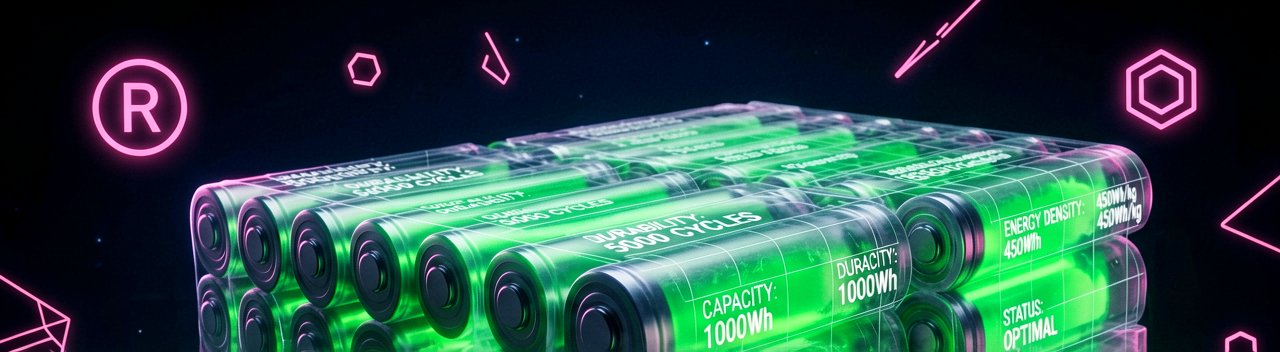
Noon Energy's storage solution takes a different approach. The company uses modular, reversible solid oxide fuel cells and carbon-based storage to provide over 100 hours of energy retention. This far exceeds the capabilities of widely used lithium-ion batteries, which typically only last for a few hours. The modular design means capacity can grow alongside Meta's data center footprint without requiring entirely new infrastructure.
TechCrunch reported that Meta's data centers used more than 18,000 gigawatt-hours of electricity in 2024 — roughly enough to power more than 1.7 million American homes for a year. The company has committed to building 30 gigawatts of renewable power sources, with a focus on industrial-scale solar power plants. Typically, data centers turning to solar power must either invest in battery storage or rely on other generation sources to operate at night.
Overview Energy CEO Marc Berte told TechCrunch that the company expects to begin launching satellites in 2030, with a goal of flying 1,000 spacecraft in geosynchronous orbit. Each satellite remains fixed above the same point on Earth, and the fleet will be able to cover about a third of the planet. An initial deployment will reach from the West Coast of the United States across to Western Europe. As the Earth rotates below and customer solar farms enter evening and night, Overview's spacecraft should boost their electrical generation with additional light from space.
The technology sidesteps some of the challenges that bedevil plans to transmit power to Earth through high-power lasers or microwave beams. Overview developed a new metric for this contract, megawatt photons, which is the amount of light required to generate a megawatt of electricity. Berte says you'll be able to stare right into his satellite's beam with no ill effects (a claim that will require regulatory scrutiny, naturally).
These partnerships build on Meta's broader energy portfolio. To date, the company has contracted more than 30 GW of clean and renewable energy, representing billions in capital investments. This includes partnerships with Sage Geosystems and XGS Energy to develop next-generation geothermal energy. Meta is also one of the most significant corporate purchasers of nuclear energy in American history, supporting 7.7 GW of nuclear energy across agreements with Vistra, TerraPower, Oklo, and Constellation Energy.
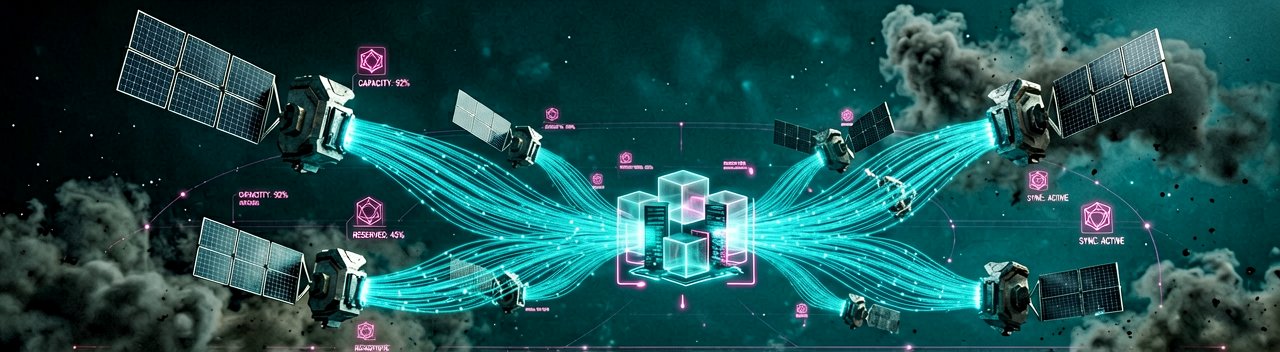
The physical reality of these systems matters. Solar facilities only generate electricity when the sun is shining, leaving them idle for significant parts of the day. Overview Energy aims to unlock those idle hours. The satellites sit in orbit where sunlight is constant, collecting energy and beaming it to Earth-based solar facilities. Those facilities convert the beam into electricity and feed it into the grid the same way they handle direct sunlight today.
Both technologies are early, and that's exactly why they're worth supporting now. The potential to unlock more from existing infrastructure and store energy for days at a time are the kinds of innovation that can reshape what's possible. Whether the satellites actually beam usable power by 2030 remains the real question. The timeline is aggressive, and the regulatory hurdles for space-based energy transmission are substantial.
Meta's move underscores its commitment to powering AI operations with resilient, clean energy, further cementing its role as a major corporate force in advancing America's energy landscape. The company will keep backing the ideas and partnerships that help build an energy system for what America is building next. Whether users actually pay for the resulting AI services remains the real question.
Artūras Malašauskas is an AI Systems Integrator with 20+ years of production-grade web engineering experience. He has designed, shipped, and scaled enterprise Python/PHP systems for logistics, SaaS, and public-sector clients. For the past year, he has focused exclusively on AI integrations: deploying open-source LLMs, building generative media pipelines (image, audio, video), and engineering multi-agent workflows for real production environments. His standard: reproducibility, security, cost-efficient inference—no vaporware. He documents and evaluates emerging AI tooling, separating verified capabilities from marketing noise. Technical editor at: muza-ai.eu, ai-verslas.lt, ai-naujinos.lt Connect on LinkedIn
Comments