Generative AI in Gaming Faces Developer Backlash
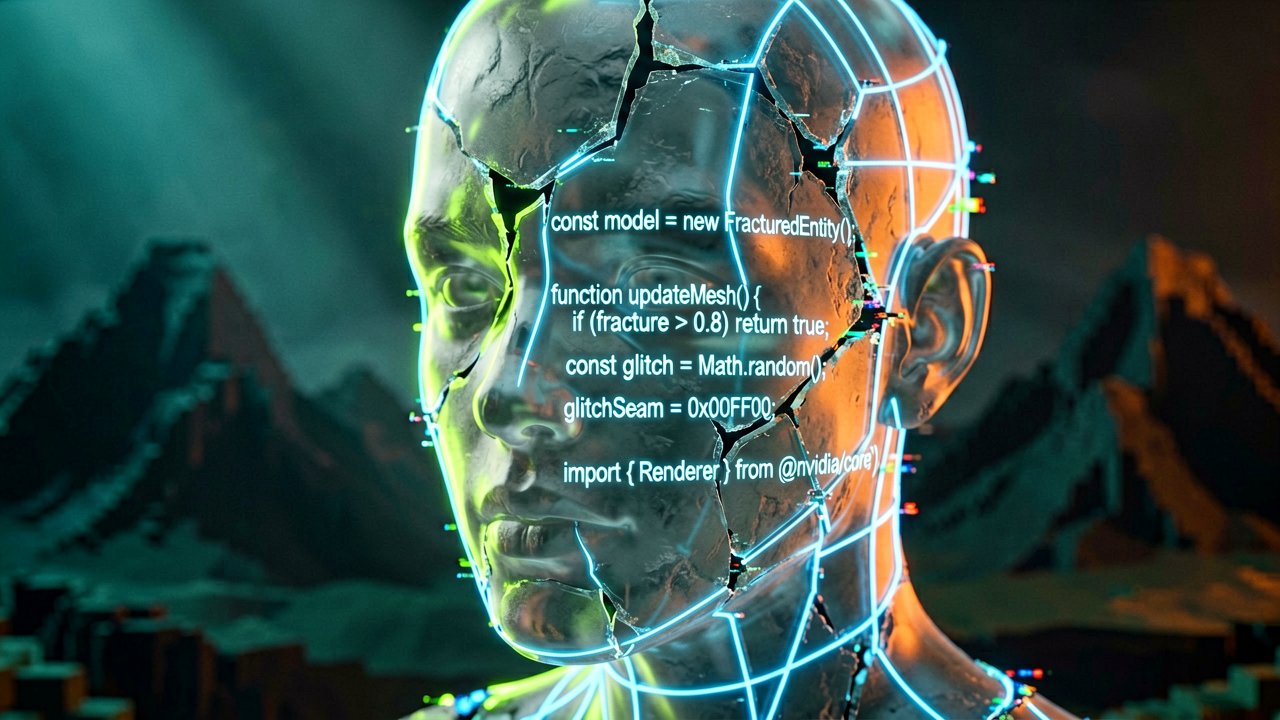
The Nvidia DLSS 5 update, which introduced AI-generated character model overhauls with "yassified" mobile game aesthetics, triggered immediate backlash from gamers and developers alike—particularly because it altered art created by human artists without their input.
According to the 2026 Game Developers Conference industry report, 52% of developers now believe generative AI is harmful to the gaming industry, up from 30% the previous year. Only 7% view it positively, with 36% of respondents reporting they use it in their jobs—mostly for research (81%), email automation (47%), or code assistance (47%).
At GDC 2026, Moritz Baier-Lentz, head of gaming at Lightspeed Venture Partners, expressed frustration that developers are "demonizing" AI, calling it a "marvelous new technology" that could empower creators. His perspective contrasted sharply with the reality on the expo floor, where union organizers promoted collective action next to AI startups promising "build entire games by chatting with AI."
Developers describe the physical friction of working with AI tools: clicking through AI-generated character models that look like they were made in a cheap mobile game studio, then spending hours fixing errors in dialogue that "wouldn't make sense to a 10-year-old" (per Sherveen Uduwana of the United Videogame Workers union). "People weren't begging people to use the web when it came out," noted Chris Hays of id Software, who added that AI isn't "nearly as transformative as the true paradigm-shifting tech we've seen before" (a sentiment that feels like a sigh of relief, frankly).
Industry analysts point to the "RAMaggedon" crisis—where AI data centers have siphoned critical memory resources from gaming hardware—as compounding the problem. With console costs rising and PC-building becoming a luxury, developers face a double bind: AI tools promise efficiency but require expensive hardware, while layoffs have already hit 45,000 gaming workers since 2022.
Despite executives like Tim Sweeney (Epic Games) insisting AI will "empower human creators," the reality for most developers is a slow-motion crisis. As one veteran Xbox developer put it, "Everyone is just having seniors do the work now" while AI tools churn out "slop" that requires human correction.
Whether developers will continue using AI tools while keeping their jobs remains the real question—and the industry's next move will likely determine if this is a temporary friction point or a turning point for creative labor in gaming.
Artūras Malašauskas is an AI Systems Integrator with 20+ years of production-grade web engineering experience. He has designed, shipped, and scaled enterprise Python/PHP systems for logistics, SaaS, and public-sector clients. For the past year, he has focused exclusively on AI integrations: deploying open-source LLMs, building generative media pipelines (image, audio, video), and engineering multi-agent workflows for real production environments. His standard: reproducibility, security, cost-efficient inference—no vaporware. He documents and evaluates emerging AI tooling, separating verified capabilities from marketing noise. Technical editor at: muza-ai.eu, ai-verslas.lt, ai-naujinos.lt Connect on LinkedIn
Comments