OpenAI's ChatGPT Images 2.0 Delivers Multilingual Infographics, Manga, Maps
OpenAI has officially launched ChatGPT Images 2.0, a significant upgrade to its image generation system that moves beyond aesthetic experimentation to deliver structured, functional visual assets for professional workflows. The update, now available across all ChatGPT tiers, demonstrates marked improvements in multilingual text rendering, complex layout generation, and stylistic consistency, according to VentureBeat's analysis of early testing.
The new model, codenamed "duct tape" during third-party testing on LM Arena AI, addresses longstanding limitations in AI image generation. Unlike previous versions that struggled with small text, UI elements, or dense compositions, Images 2.0 renders "small text, icons, UI elements, dense infographics, maps, slides, and full manga pages cleanly at up to 2K resolution," as noted in Petapixel's coverage of OpenAI's official documentation.
Key advancements include native reasoning capabilities that allow the model to "think through prompts, verify its own outputs, and generate up to 8 coherent images from a single request while keeping characters and objects consistent," per OpenAI's product lead Adele Li. This represents a shift from the previous "creative toy" approach to a "production tool" designed for real-world applications like business presentations, educational materials, and design workflows.
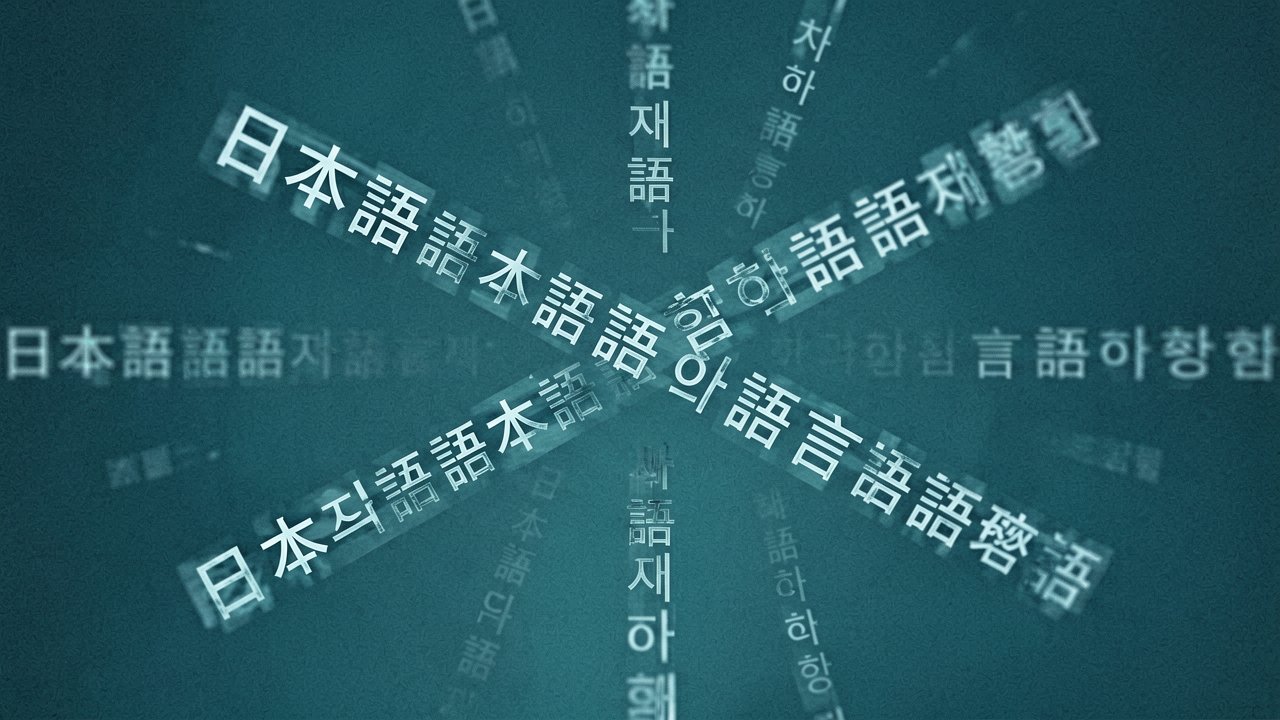
OpenAI emphasizes multilingual fidelity as a major breakthrough, with improved rendering of non-Latin scripts including Japanese, Korean, Chinese, Hindi, and Bengali. The company states that Images 2.0 "moves beyond that barrier with stronger multilingual understanding," enabling accurate integration of language within visual designs—a critical capability for global businesses and content creators.
The release arrives amid heightened competition, particularly following Google's February 2026 launch of Nano Banana 2, which also featured dense text integration. However, OpenAI claims its model exceeds competitors in "reproducing user interfaces, screenshots, and multiple image packs at once," as observed in independent testing by VentureBeat.
OpenAI has also addressed safety concerns raised by recent reports of AI-generated images being used in political influence campaigns. Product lead Li confirmed the company's "monitoring and protection" measures: "We take safety and security incredibly seriously... while other platforms and companies may not have those safeguards, ChatGPT does."
The model's expanded aspect ratio support (3:1 to 1:3) further enhances its utility for platform-specific content, allowing direct generation of assets for social media, presentations, and mobile interfaces without post-processing. This aligns with OpenAI's broader philosophy that "images are a language, not decoration" — a framing that positions visual generation as a tool for communication rather than mere decoration.
For developers, the API integration of the gpt-image-2 model enables programmatic use of these capabilities, while the "Thinking" features for ChatGPT subscribers provide a user-friendly interface for non-technical creators. The shift reflects a maturation of AI image generation from novelty to essential productivity tool, particularly for teams requiring precise visual communication across languages and formats.
Artūras Malašauskas is an AI Systems Integrator with 20+ years of production-grade web engineering experience. He has designed, shipped, and scaled enterprise Python/PHP systems for logistics, SaaS, and public-sector clients. For the past year, he has focused exclusively on AI integrations: deploying open-source LLMs, building generative media pipelines (image, audio, video), and engineering multi-agent workflows for real production environments. His standard: reproducibility, security, cost-efficient inference—no vaporware. He documents and evaluates emerging AI tooling, separating verified capabilities from marketing noise. Technical editor at: muza-ai.eu, ai-verslas.lt, ai-naujinos.lt Connect on LinkedIn
Comments