Molyneux: AI Not Ready for Games Yet
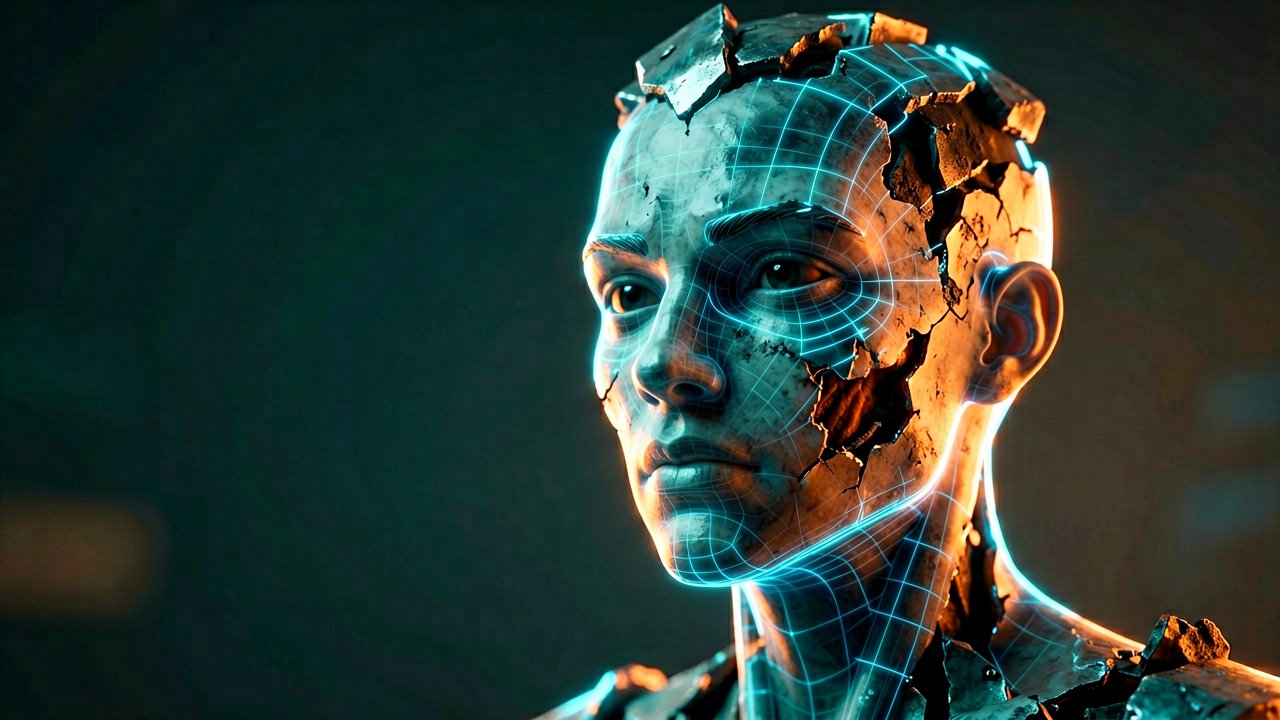
Video game pioneer Peter Molyneux has declared that artificial intelligence technology is currently "not of a high enough quality for us to really use in games right now," according to a recent interview with the BBC. The 66-year-old developer, known for creating iconic titles including Fable, Black & White, and Populous, made the statement while discussing his current project and the evolving landscape of game development.
Molyneux's comments come as he prepares to conclude his career with Masters of Albion, which he describes as "a return to his roots" and "his final" game. The project represents a reinvention of the god game genre he pioneered with Populous in 1989, where players control populations as deities. In his BBC interview, Molyneux acknowledged AI's potential but stressed its current limitations: "I think we have to be very, very careful that there are safeguards in there, so we can't abuse this power that AI gives us."
The developer's cautious stance is notable given his history of overpromising on game features, including the infamous Godus and Curiosity projects. His current position represents a shift from his earlier enthusiasm for emerging technologies, as evidenced by his work on Project Milo (a Kinect-based AI experiment that never shipped) and his recent skepticism about generative AI in game development.
Molyneux compared AI's potential impact to the Industrial Revolution in Britain, stating: "It's going to cause disruption... But you know what? We're human beings. We've always evolved. We've never stayed still. Societies have changed, and we just deal with it." This perspective positions him as one of the industry's most thoughtful voices on AI integration, contrasting with more enthusiastic or dismissive stances from other developers.
His comments align with growing industry caution. While some studios like Larian have faced backlash for using AI in concept art, and Capcom has sworn off AI assets, Molyneux's position carries particular weight due to his decades-long influence on game design philosophy. As the BBC interview notes, Molyneux has "tried lots of different genres" throughout his career, making his current skepticism about AI's readiness particularly significant for the industry.
The developer's remarks also contextualize his current project, Masters of Albion, which he describes as "a reinvention of the god game" where players "build and manage settlements by day, before defending them from attacks at night." This focus on player agency and emergent systems contrasts with AI-driven content generation, suggesting Molyneux prioritizes human-designed creative experiences over automated solutions.
Industry observers note Molyneux's position represents a nuanced middle ground between AI skepticism and enthusiasm. While he acknowledges AI's potential for "experimenting with ideas at a much lower cost," he remains unconvinced about its current quality. This perspective differs from more extreme positions, such as some studios completely banning AI tools or others embracing them without reservation.
The BBC interview also revealed Molyneux's reflections on his career trajectory, including his admission that he "used to get so excited" about games that he "was like a kid" and "wasn't smart enough to realise" when his enthusiasm was misinterpreted as promises. This self-awareness about overpromising makes his current caution about AI particularly credible.
His comments come amid broader industry discussions about AI's role in game development. The UK government recently launched a £28.5 million funding initiative for game studios, with Culture Minister Ian Murray stating they've "developed this in conjunction with the industry because they've told us this is what they need." Molyneux's perspective on AI quality could influence how such funding is allocated toward AI research versus traditional development.
As Molyneux prepares to conclude his career, his stance on AI offers a valuable counterpoint to the industry's current AI enthusiasm. His position—that AI must reach a certain quality threshold before being integrated into games, and that safeguards are essential—provides a measured framework for developers considering AI adoption. This perspective is particularly relevant as studios like Hello Games (creators of No Man's Sky) continue to demonstrate the UK's creative strengths in game development.
For developers, Molyneux's comments suggest a need for patience and careful implementation rather than rushing to adopt AI tools. As he stated in his BBC interview: "AI is not of a high enough quality for us to really use in games right now." This isn't a rejection of AI's potential, but a call for responsible development that prioritizes quality over speed.
Industry analysts note that Molyneux's position may help temper the current AI hype cycle in gaming, particularly as studios face pressure to adopt AI tools rapidly. His perspective, grounded in decades of game development experience, offers a valuable counterbalance to both AI evangelism and outright rejection.
As the BBC interview confirms, Molyneux's comments represent a thoughtful, experience-based assessment of AI's current state rather than a knee-jerk reaction. His career-long focus on player creativity and emergent systems—rather than pre-scripted experiences—makes his current stance on AI particularly relevant for the future of game design.
Artūras Malašauskas is an AI Systems Integrator with 20+ years of production-grade web engineering experience. He has designed, shipped, and scaled enterprise Python/PHP systems for logistics, SaaS, and public-sector clients. For the past year, he has focused exclusively on AI integrations: deploying open-source LLMs, building generative media pipelines (image, audio, video), and engineering multi-agent workflows for real production environments. His standard: reproducibility, security, cost-efficient inference—no vaporware. He documents and evaluates emerging AI tooling, separating verified capabilities from marketing noise. Technical editor at: muza-ai.eu, ai-verslas.lt, ai-naujinos.lt Connect on LinkedIn
Comments