Valve Unveils Steam Machine Console to Challenge Xbox, PlayStation
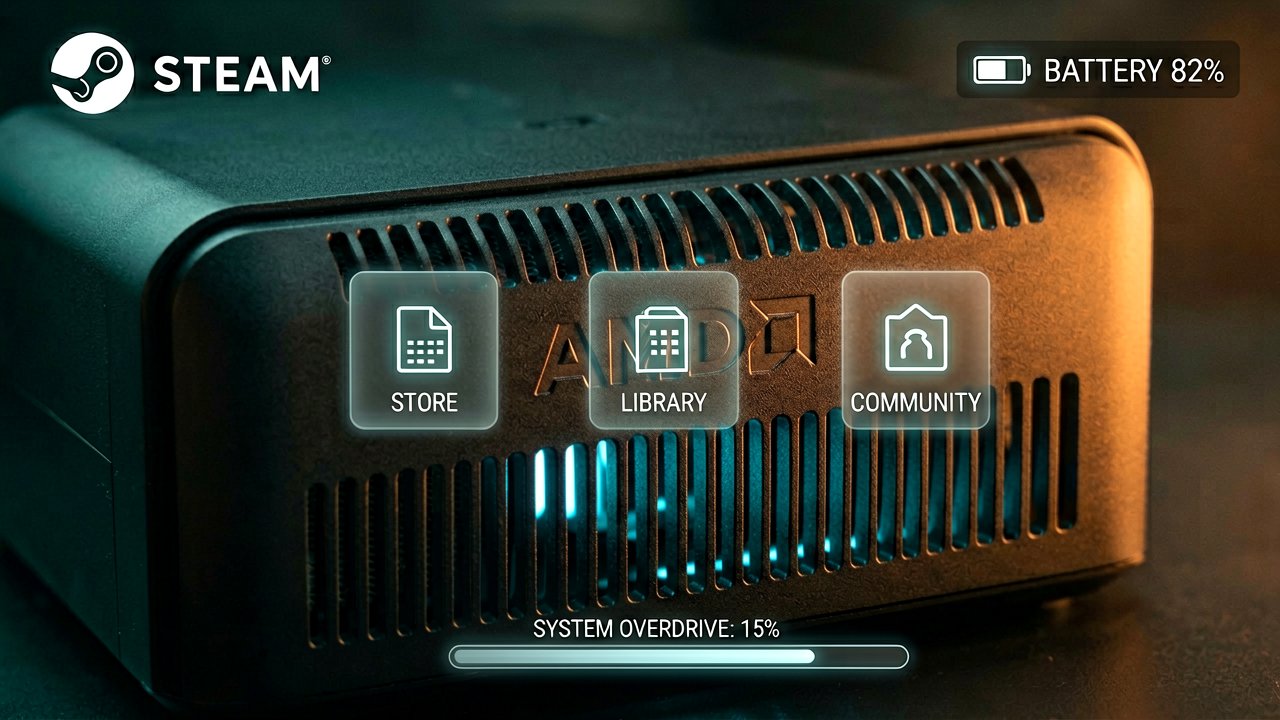
Valve, the company behind the Steam digital distribution platform, has announced a new Steam Machine console designed to rival Nintendo, Xbox, and PlayStation in the home gaming market, according to a BBC report.
The new console represents a spiritual successor to Valve's 2014 Steam Machine initiative, which failed to gain traction in a market dominated by established console manufacturers. The 2014 device launched at $499 (approximately £300), while Valve's latest iteration is expected to carry a significantly higher price point, though exact pricing remains unannounced.
Valve described the new Steam Machine as "a powerful gaming PC in a small but mighty package" that can play PC games on television while also functioning as a standard computer. The device will run Valve's Linux-based SteamOS operating system with AMD graphics processors, supporting 4K resolution and 60 frames per second performance, according to the company's announcement.
Valve's strategy centers on leveraging its existing Steam platform, which has grown to become the world's largest PC gaming distribution service since its 2003 launch. The company claims the Steam Machine will be "optimised for gaming" by allowing users to verify game compatibility before purchase, a feature absent in standard PCs. At the time of the BBC report, Steam reported approximately 25 million concurrent players online with six million actively gaming.
Industry analyst Christopher Dring noted the Steam Machine's likely appeal would mirror that of Valve's successful Steam Deck handheld console, which has cultivated a "lucrative but niche" audience of four to five million players. "Most of those people were already Steam customers looking to take their PC games on-the-go," Dring explained. "My feeling is the Steam Machine will be similar—this will mostly appeal to a lucrative enthusiast audience of existing Steam players who want to play their games in a living room setting."
The announcement coincides with Valve's development of the Steam Frame VR headset, described as a "streaming-first" wireless device running SteamOS. Valve claims the headset will deliver "highest-quality graphics only in the bits of the screen a user is looking at," representing a technical advancement in virtual reality.
Valve's entry into the console market has drawn attention from competitors, with former Blizzard president Mike Ybarra noting that Sony views Valve as a "major new competitor" due to Steam's 7,000-game library, largest player base, and features like a two-hour play-and-refund policy and family sharing capabilities.
Despite the strategic positioning, industry observers remain skeptical about the Steam Machine's broader market impact. The device faces challenges similar to its 2014 predecessor, including price positioning against established consoles and the need for exclusive content to differentiate itself. Analyst Brandon Sutton of Midia Research noted Valve's "strong grasp of where the gaming market is headed," particularly as Sony and Microsoft move away from console exclusives toward subscription services like Game Pass.
Valve has scheduled the Steam Machine for release in early 2026, though the exact launch date remains unspecified. The company has not confirmed whether component shortages affecting the 2025 announcement timeline have been resolved, though the BBC report indicates the device remains in development.
For Valve, the Steam Machine represents an attempt to bridge the gap between PC and console gaming—a market segment where Steam has already achieved significant success through its digital storefront. However, the company's history with the 2014 Steam Machine, which struggled to gain consumer traction, suggests the new iteration will need to overcome similar challenges to achieve meaningful market penetration.
Artūras Malašauskas is an AI Systems Integrator with 20+ years of production-grade web engineering experience. He has designed, shipped, and scaled enterprise Python/PHP systems for logistics, SaaS, and public-sector clients. For the past year, he has focused exclusively on AI integrations: deploying open-source LLMs, building generative media pipelines (image, audio, video), and engineering multi-agent workflows for real production environments. His standard: reproducibility, security, cost-efficient inference—no vaporware. He documents and evaluates emerging AI tooling, separating verified capabilities from marketing noise. Technical editor at: muza-ai.eu, ai-verslas.lt, ai-naujinos.lt Connect on LinkedIn
Comments