Tyler Perry Studios and Synapse Virtual Production Partner to Construct Advanced LED Volume Hub in Atlanta
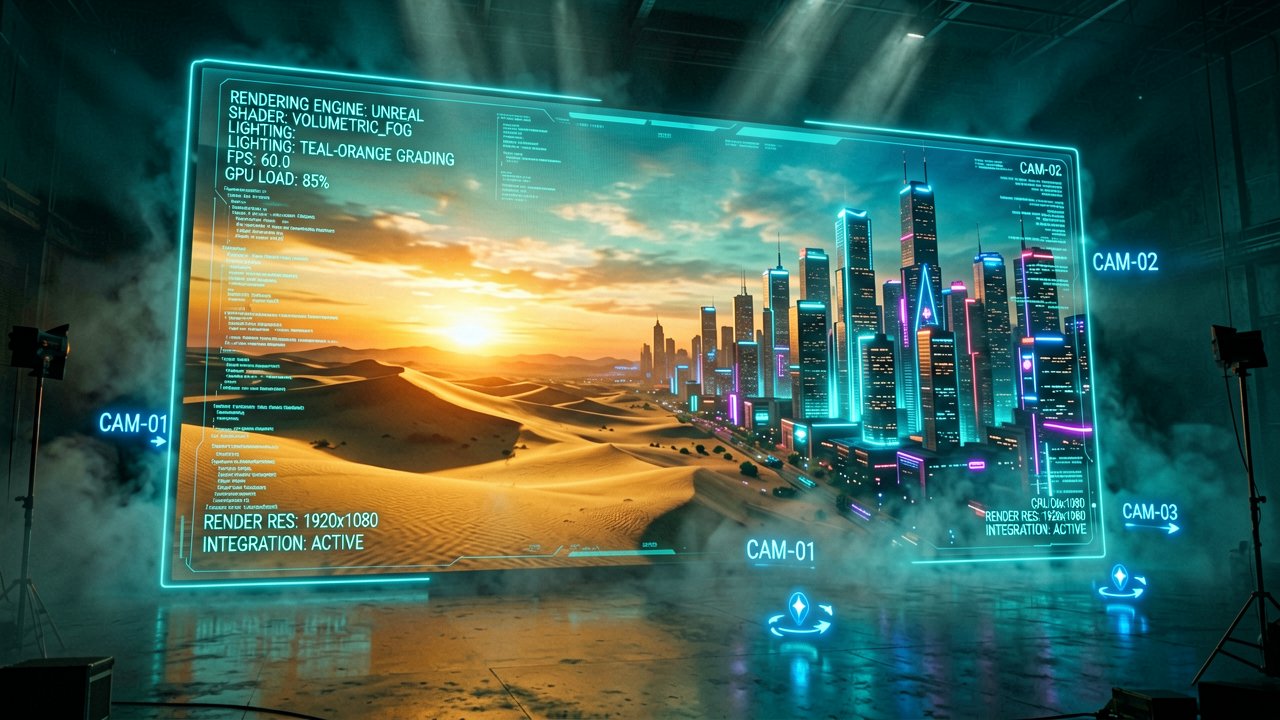
In a major infrastructural shift reshaping the East Coast filmmaking landscape, Tyler Perry Studios has entered into a multi-year strategic partnership with Synapse Virtual Production to build and operate a state-of-the-art virtual production facility. Located on the historic 365-acre Tyler Perry Studios campus in Atlanta, Georgia, the project involves converting an existing 20,000-square-foot soundstage into an advanced digital ecosystem. The facility features a massive layout including approximately 200 linear feet of wall space alongside Synapse’s proprietary infinite height design. The new hub is expected to be fully operational by the end of 2026, offering comprehensive, end-to-end production tools to both internal projects and third-party creators.
This initiative represents a pivotal strategic evolution for entertainment mogul Tyler Perry, who famously halted a planned $800 million physical expansion of his studio lot in early 2024 after witnessing the disruptive generative video capabilities of OpenAI's Sora. Instead of committing to the construction of 12 traditional soundstages, this new alliance optimizes existing infrastructure through software-driven solutions. By integrating state-of-the-art LED volumes, intricate real-time 3D environments, and advanced camera tracking pipelines driven by Unreal Engine, the hub reduces the necessity for massive physical set construction and volatile outdoor location scouting while keeping physical production crews central to the creative process.
Market Impact and Technical Infrastructure
The technical deployment planned by Synapse Virtual Production targets inefficiencies that have long plagued physical sets, such as weather dependencies and prolonged post-production turnarounds. By blending high-fidelity camera tracking with real-time digital backgrounds, filmmakers can achieve final-pixel visual effects directly on camera. According to reports from 11Alive News, opening the facility to third-party clients establishes an auxiliary revenue stream for the studio while democratizing cutting-edge workflows. It addresses the entertainment industry's urgent demand for compressed timelines and predictable budgeting. This hardware-software synergy ensures that Atlanta remains a highly competitive destination for studios attempting to navigate the complex economic realities of modern, VFX-heavy entertainment.
Preserving the Human Crew Element
A distinctive component of this strategic rollout is the deliberate emphasis on human-led operation amid widespread industry anxiety over automation and artificial intelligence. Rather than substituting human workers, the platform aims to augment existing crew capabilities by transferring traditional art department assets, physical lighting configurations, and camera positioning workflows into real-time digital environments. Official statements hosted directly on the Tyler Perry Official Website emphasize that this integration protects traditional blue-collar production jobs on the lot. The partnership provides technical upskilling opportunities for the local crew base, setting a distinct operational precedent for how major legacy studios can absorb rapid technological evolution without alienating their workforce.
An Inside Look at Atlanta's Software-Driven Backlot
Beneath the Studio Scaffolding: The decision to integrate Synapse’s infinite height LED architecture on the Tyler Perry Studios lot marks a critical turning point in the battle between physical soundstage expansion and digital infrastructure. For nearly a decade, the massive 365-acre former military base in Atlanta built its reputation on the pure scale of its physical footprint, boasting dozens of active sets ranging from historical replicas to expansive greenscreens. However, the operational economics of running a lot of this size changed dramatically when generative video tools and real-time rendering systems matured. The collaboration with Synapse demonstrates that the studio's leadership recognized that future market dominance would not be won by pouring more concrete, but by deploying adaptable pixels that can shift from a desert landscape to a sci-fi cityscape at the click of a button.
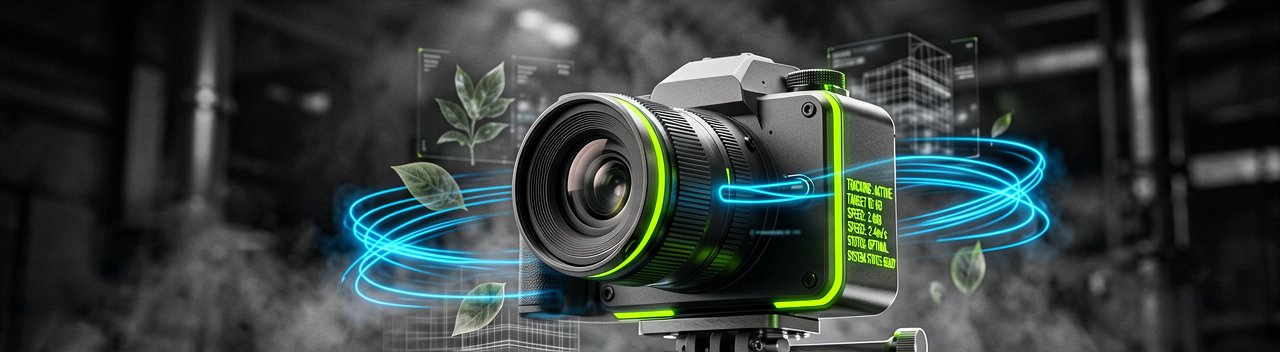
Industry insiders note that the true value of this 20,000-square-foot transformation lies in how it mitigates the brutal scheduling constraints of modern television production. Tyler Perry’s production model has historically relied on hyper-efficient, rapid-fire shooting schedules that demand dozens of script pages be captured per day. Traditional virtual production volumes often suffered from bottlenecked calibration times and complex asset loading sequences that slowed down fast-paced crews. By utilizing Synapse’s specialized software pipeline, the new Atlanta hub targets these exact friction points, reducing the time required to sync camera tracking and lighting presets, which allows fast-moving production teams to maintain their momentum without waiting on rendering queues.
Beyond the internal slate of projects, the facility serves as a vital economic defensive wall for the Georgia film ecosystem. As production incentives fluctuate globally, local crew availability and technological sophistication dictate where major streaming platforms plant their flags. By opening this advanced volume to external commercial clients, independent film companies, and live broadcasters, the partnership effectively diversifies the studio's revenue away from a single production engine. It transforms a regional lot into an essential technological utility provider for the East Coast entertainment industry, offering premium final-pixel capabilities that previously required a trip to Los Angeles or London.
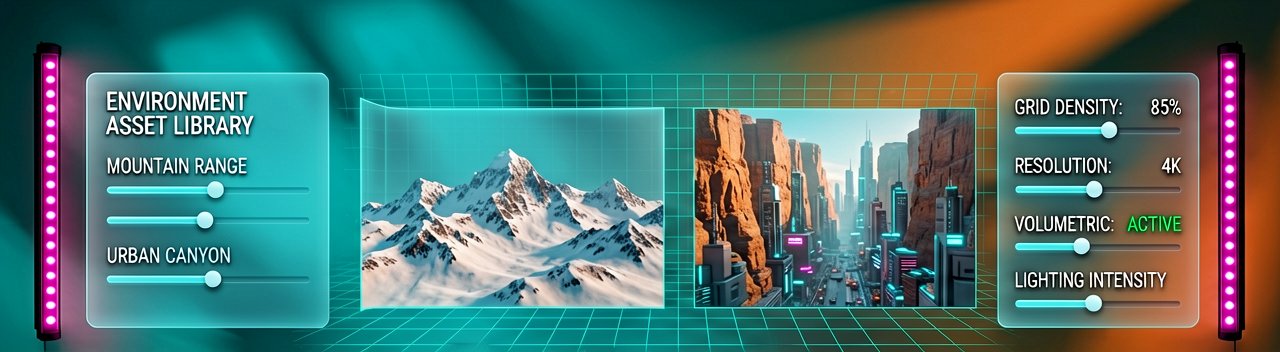
The long-term success of the hub will ultimately depend on the digital asset pipeline built behind the physical LED walls. Synapse's engineering team is tasked with constructing a vast library of pre-rendered, photorealistic 3D environments that can be modified on the fly by directors of photography during live takes. This level of creative control shifts the traditional post-production workflow directly into the pre-production phase, forcing writers and art directors to lock in environmental designs before a single camera rolls. This workflow evolution requires an organizational mindset shift, but the financial payoff in reduced reshoots and eliminated travel expenses makes it an inevitable progression for legacy studios looking to survive a highly volatile media market.
The Hidden Cost of Automated Environments
Reading Between the Lines: While the entertainment industry readily praises virtual production as an infallible antidote to soaring budgets and unpredictable schedules, the operational reality of LED volumes rarely matches the utopian marketing narrative. The strategic pivot at Tyler Perry Studios from physical concrete to digital pixels is framed as an efficient masterstroke, yet it introduces a highly volatile set of financial variables. High-end smart stages demand immense upfront capital for hardware depreciation, constant software licensing fees, and specialized engineering talent that can command premium rates. If the stage sits dark between production cycles, these fixed overhead costs continue to burn capital, creating a new kind of financial pressure that traditional, low-tech soundstages simply do not face.
There is also a profound creative contradiction embedded in the promise of final-pixel visual effects. Legacy production models thrive on flexibility, allowing directors to make spontaneous changes to props, lighting, and performance blocking on the day of the shoot. In contrast, an advanced LED volume forces an aggressive front-loading of the creative process, requiring digital environments to be completely finalized weeks before principal photography begins. This rigidity often clashes with the fast-moving, improvisational filmmaking style that built the Tyler Perry empire, raising serious questions about how smoothly a hyper-optimized software pipeline will mesh with legacy production cultures that prioritize speed over meticulous pre-planning.
Furthermore, the claim that these digital volumes will seamlessly protect traditional, blue-collar crew jobs while upskilling the local workforce overlooks the structural displacement inherent to automation. While a digital backdrop eliminates the need for construction crews to build expansive physical facades, it shifts that labor to specialized 3D environment artists working in digital engines. A scenic painter cannot easily be upskilled into a real-time technical director overnight. As Atlanta positions itself to compete with global production hubs, the regional economy may find that the total volume of local physical labor shrinks, concentrated instead into a smaller, highly specialized class of tech-centric crew members who control the digital ecosystem.
Ultimately, this partnership serves as a high-stakes litmus test for the true scalability of virtual production outside of high-budget sci-fi franchises. If Synapse can successfully streamline the pipeline to accommodate rapid-fire television and mid-tier commercial projects, it will validate the software-driven backlot model as an industry standard. However, if the technical friction of real-time rendering continues to cause delays on set, the project risks becoming an expensive, underutilized monument to technological optimism, proving that even the most advanced digital environments cannot entirely outrun the messy, unpredictable realities of a live physical set.
"Hollywood remains deeply committed to replacing expensive physical sets with flawless digital illusion, right up until the moment a software glitch during a live take reminds everyone that a painted piece of plywood never suffers a system crash or requires a firmware update."
Artūras Malašauskas is an AI Systems Integrator with 20+ years of production-grade web engineering experience. He has designed, shipped, and scaled enterprise Python/PHP systems for logistics, SaaS, and public-sector clients. For the past year, he has focused exclusively on AI integrations: deploying open-source LLMs, building generative media pipelines (image, audio, video), and engineering multi-agent workflows for real production environments. His standard: reproducibility, security, cost-efficient inference—no vaporware. He documents and evaluates emerging AI tooling, separating verified capabilities from marketing noise. Technical editor at: muza-ai.eu, ai-verslas.lt, ai-naujinos.lt Connect on LinkedIn
Comments