MemeToro Unveils BNB AI Agent to Automate the Chaos of Fair-Launch Memecoins and Prediction Markets
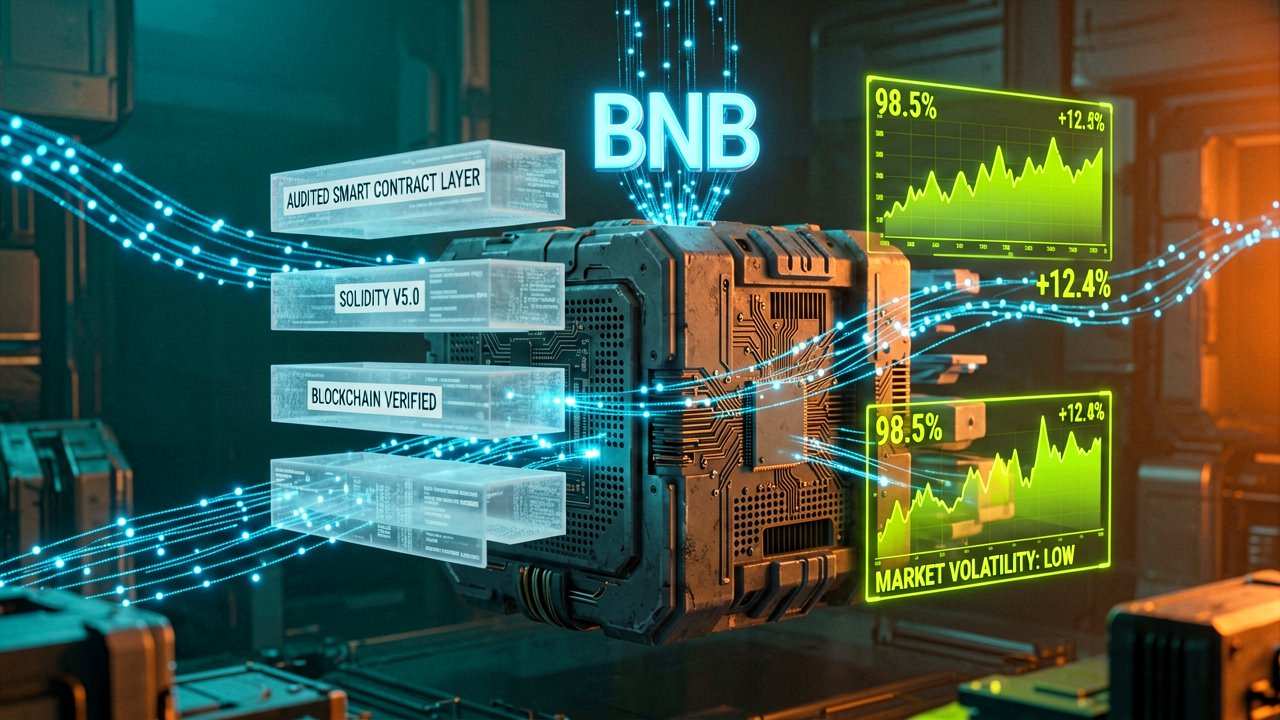
The wild world of decentralized finance just got a whole lot more automated. On July 6, 2026, Singapore-based Web3 platform MemeToro officially deployed its new BNB AI Agent ecosystem, a launch aiming to change how retail traders interact with viral trends. Instead of forcing users to manually track internet culture, code smart contracts, and secure liquidity pools, MemeToro is offloading the entire lifecycle to artificial intelligence operating directly on the BNB Smart Chain.
It is a fascinating convergence of degen culture and autonomous tech. The core hook here is a no-code creation engine. The underlying AI agent is built to constantly scan real-time social data, trading patterns, and online sentiment to spot narrative shifts before they fully cook. When it finds a viable trend, it handles everything from naming the token to designing the logo and launching it directly to the market. Crucially, the platform guarantees a fair-launch structure, meaning no insider allocations or early dev snipes to worry about.
Predicting the Meta
But MemeToro is not just stopping at automated creation. The platform is simultaneously rolling out a decentralized prediction market ecosystem natively powered by its utility token, $MT. Users can wager on crypto narratives, economic events, and cultural shifts, with settlements processed transparently through audited smart contracts. By processing these micro-transactions on the BNB Smart Chain, the system keeps execution fees low enough that average retail players can actually participate without getting eaten alive by gas prices.
We have watched the broader crypto market get increasingly bogged down by developer control and top-heavy token distributions over the last couple of years. This shift toward autonomous, transparent, and fair-launch infrastructure feels like a logical corrective. Whether the broader retail community embraces algorithmic meme-generation or prefers their old-school, human-led chaos remains to be seen, but MemeToro is certainly drawing a fascinating line in the sand for how AI and social finance can mesh.

Behind the algorithmic curtain: The real story of MemeToro is not just about automation, but about a fundamental shift in how crypto capital coordinates around internet culture. Historically, the lifecycle of a memecoin has been notoriously human-driven, dictated by tight-knit insider groups, fast-moving Telegram alpha groups, and influencer promotion. By introducing an autonomous agent directly into the BNB Smart Chain ecosystem, MemeToro is attempting to commoditize this chaotic process, replacing human bias and manual marketing coordination with real-time sentiment processing algorithms.
The Architecture of Autonomous Hype
From a technical standpoint, the deployment highlights a growing trend of offloading smart contract execution to autonomous AI pipelines. The agent acts as both a data aggregator and a developer, monitoring cultural trends across social networks and instantly translating that digital noise into a deployed financial asset. Because the execution happens programmatically on-chain, the system bypasses the typical vulnerabilities of manual launches, such as developers hoarding early supplies or rug-pulling liquidity pools before retail traders can react.
Industry analysts view this as a double-edged sword for the BNB Smart Chain ecosystem. On one hand, the volume of transaction fees generated by rapid-fire fair launches and continuous prediction market settlements could significantly boost network activity and burn mechanisms. On the other hand, floodgates are being opened to an unprecedented volume of algorithmic tokens, forcing decentralized exchanges to rethink how they index, filter, and surface legitimate trading pairs to average users.
Redefining On-Chain Speculation
The integration of prediction markets introduces a crucial stabilization mechanism to what would otherwise be a purely speculative launchpad. By utilizing the native $MT token for both narrative creation and forecasting, the platform creates an ecosystem where traders can hedge their bets. If a particular algorithmic token trend begins to fade, users can pivot to wagering on the broader macro outcome of that specific cultural narrative, sustaining on-chain liquidity even when individual tokens lose their initial viral momentum.

Ultimately, this launch positions MemeToro at the forefront of the emerging SocialFi and AI-agent narrative that has quietly dominated developer mindshare over the past year. While traditional finance continues to struggle with the regulatory implications of predictive modeling and algorithmic trading, the decentralized space is moving at its typical breakneck pace. This environment treats autonomous AI agents not as tools for passive portfolio management, but as active, independent market participants capable of generating entire micro-economies from scratch.
Reading Between the Lines: The promise of eliminating human greed through AI automation ignores a fundamental paradox at the heart of decentralized speculation. MemeToro pitches its BNB AI agent as a leveling of the playing field, a way to rescue retail traders from the predatory snipers and insider developers who typically dominate fair launches. Yet, by replacing human creators with algorithmic sentiment scanners, the platform may simply shift the battleground from trading bots to prompt engineering and social media manipulation, where wealthy capital groups can still easily distort the data feeding the AI.
The Paradox of Automated Chaos
There is a distinct contradiction in using highly structured, data-driven machine learning models to capture the fundamentally irrational and erratic nature of internet memes. Memes thrive on irony, subversion, and sudden, unpredictable shifts in cultural context—elements that traditional sentiment analysis algorithms notoriously struggle to interpret accurately. An AI trained to launch tokens based on rising keywords runs a constant risk of misinterpreting a critical, mocking internet trend as a positive market signal, potentially automating the creation of financial assets that are dead on arrival.
Furthermore, the long-term viability of the integrated prediction markets hinges on a level of sustained retail participation that history suggests is difficult to maintain. While prediction markets excel during high-stakes global events like elections or major macroeconomic shifts, anchoring them to the fleeting lifecycles of programmatic memecoins introduces an immense amount of noise. Without deep, organic liquidity, these markets risk becoming insular echo chambers where a few sophisticated actors extract value from less-informed participants, mimicking the exact predatory dynamics the platform intends to disrupt.
The Real Winner of the AI Rush
Projecting the broader implications for the BNB Smart Chain reveals that the true beneficiary of this automated ecosystem might not be the retail trader looking for the next viral hit, but the underlying infrastructure itself. Algorithmic generation engines and high-frequency prediction betting are incredibly gas-intensive operations. Even with BNB's low fee structure, the sheer volume of continuous micro-transactions required to sustain this autonomous ecosystem ensures a steady, lucrative stream of network revenue for validators and infrastructure providers, regardless of whether the launched tokens retain any actual value.
Replacing human developers with an AI agent to clean up the memecoin market is a bit like hiring a robot to manage a chaotic food fight; it might throw the pies with perfect mathematical precision and flawless transparency, but at the end of the day, everyone in the room is still just getting hit in the face with dessert.
Artūras Malašauskas is an AI Systems Integrator with 20+ years of production-grade web engineering experience. He has designed, shipped, and scaled enterprise Python/PHP systems for logistics, SaaS, and public-sector clients. For the past year, he has focused exclusively on AI integrations: deploying open-source LLMs, building generative media pipelines (image, audio, video), and engineering multi-agent workflows for real production environments. His standard: reproducibility, security, cost-efficient inference—no vaporware. He documents and evaluates emerging AI tooling, separating verified capabilities from marketing noise. Technical editor at: muza-ai.eu, ai-verslas.lt, ai-naujinos.lt Connect on LinkedIn
Comments