Predictive AI Redefines Fleet Telematics: Geotab Unveils the GO Focus Pro
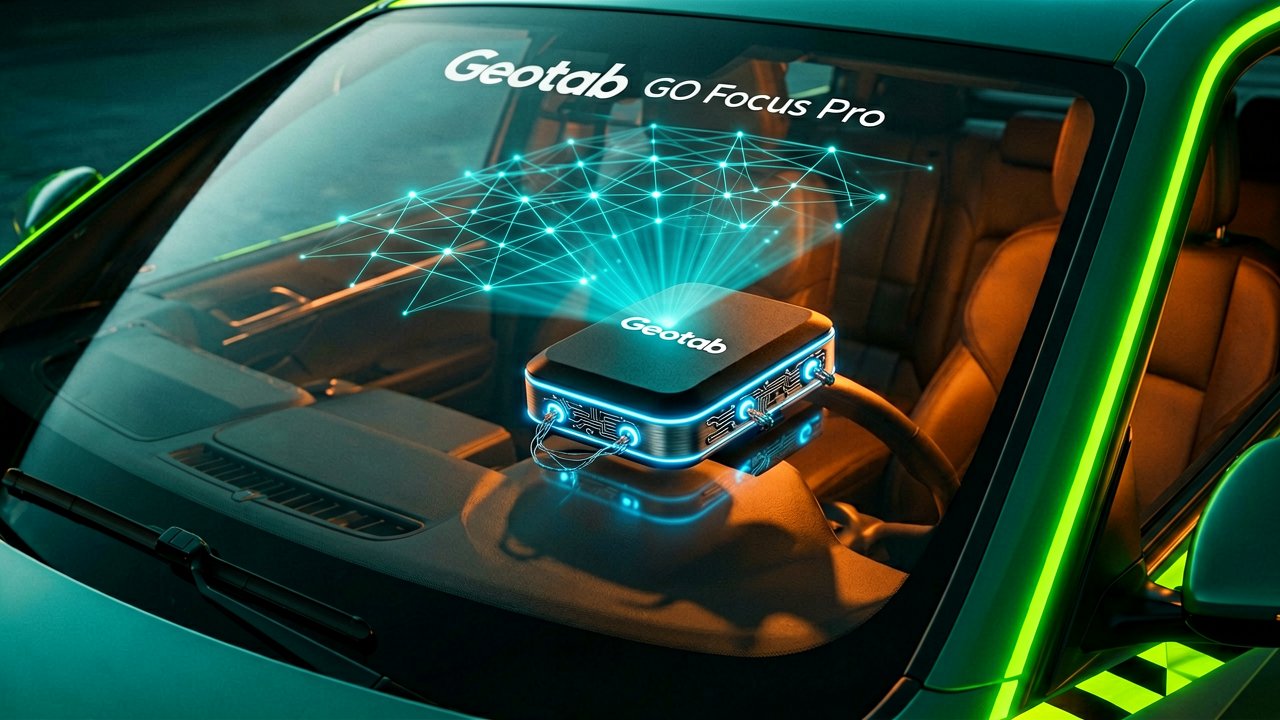
The global fleet management market is undergoing a major paradigm shift as reactive accident data gives way to real-time predictive hazard mitigation. This technological evolution is anchored by Geotab launching its advanced GO Focus Pro video telematics hardware. Unlike legacy dash cameras that merely record incidents for post-event insurance claims, this device processes environments natively via edge computing. High-precision onboard artificial intelligence runs continuous inference algorithms directly inside the cabin to identify risks before impact occurs.
Corporate liability and escalating insurance overheads have forced commercial operators to demand smarter, end-to-end protective tools. Escalating multi-million-dollar legal judgments have turned automated driver exoneration and live risk mitigation from premium options into strict compliance requirements. By eliminating systematic human review through an automated AI pipeline, this solution addresses a massive bottleneck in enterprise operations. It delivers real-time voice safety alerts that actively encourage drivers to self-correct during high-exposure scenarios like dense urban navigating or complex docking maneuvers.
Advanced 360-Degree AI Environmental Interventions
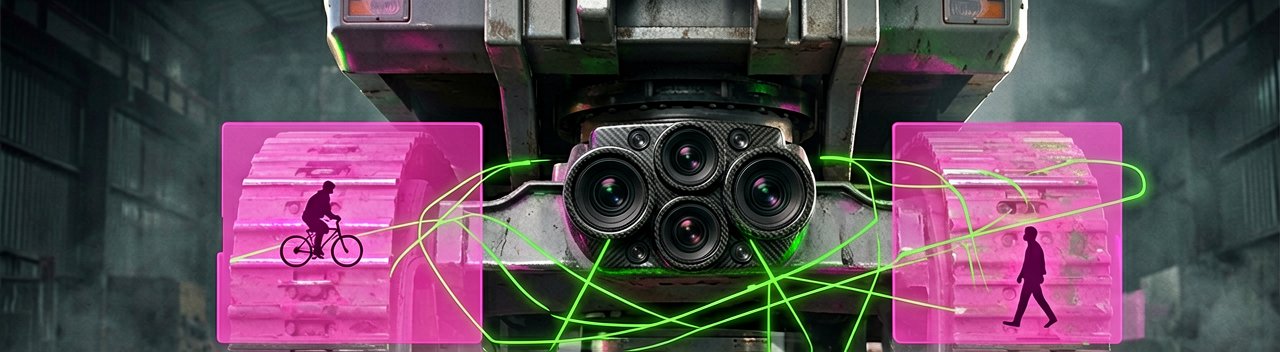
The operational edge of the system stems from its ability to coordinate multiple peripheral viewpoints simultaneously. Fleet operators can attach up to five auxiliary external cameras alongside a specialized Zero Latency Monitor via high-definition video connections. These cameras map vehicle surroundings to build full 360-degree situational visibility, completely eliminating traditional blind spots in heavy-duty machinery. The localized artificial intelligence processes these visual streams in tandem with foundational vehicle telematics data to construct an interactive, moving perimeter of hazard protection.
The device leverages deep neural models optimized for specific environmental challenges rather than basic motion detection. Key predictive models running on the hardware include active traffic light violation algorithms, license plate recognition, and pre-collision warning triggers. Furthermore, the external auxiliary inputs are specifically trained to identify vulnerable road users—such as cyclists, pedestrians, and low-profile infrastructure items—hidden from the driver’s direct sight. This continuous environmental evaluation allows the system to differentiate static objects from active risks, preventing alert fatigue for operators.
Platform Synergy and Driver Advocacy Ecosystem
Integrating video infrastructure natively within the core web dashboard streamlines asset monitoring without requiring external software extensions. Safety managers can leverage automated sequence engines to automatically prioritize critical events and patterns, cutting down thousands of hours of manual video triage. This allows organizations to establish scalable driver coaching frameworks that deliver clear visual feedback and personalized performance scorecards straight to a centralized mobile application. Drivers benefit directly from accurate identity assignments handled autonomously via machine learning models or physical credentials.
Recent driver surveys demonstrate that 99% of commercial operators recognize the inherent benefits of video telematics in protecting their careers. Approximately 63% of drivers value dash cameras primarily for protection against fraudulent insurance claims, and 58% see them as critical tools for collision exoneration. By shifting the corporate focus toward preventive coaching and immediate self-correction, this technology bridges the gap between driver protection and operational risk mitigation.
What Most Reports Miss: The Edge Computing Revolution in Fleet Liability
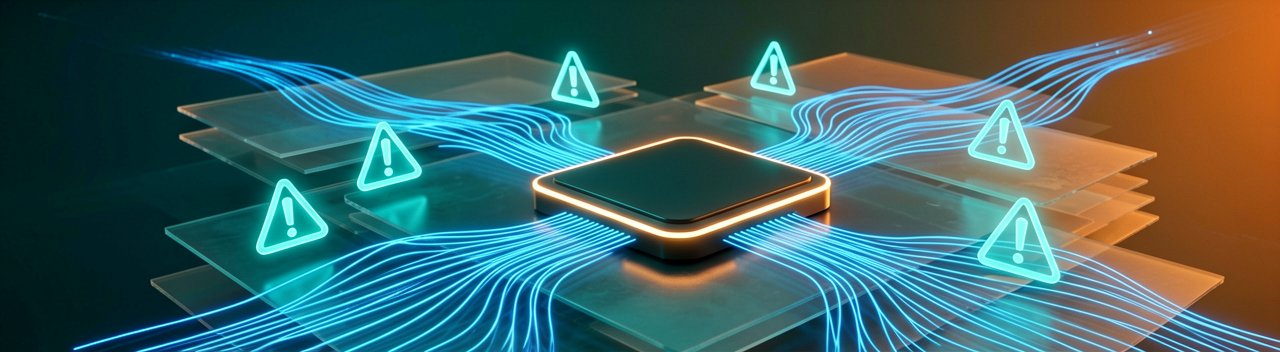
While industry headlines focus on the surface-level novelty of artificial intelligence, the real revolution lies in the physical migration of compute power to the vehicle cabin. Legacy telematics platforms have historically suffered from cloud latency, where video data had to be transmitted over cellular networks, processed by remote servers, and sent back as an alert. In high-speed highway scenarios, a three-second delay in hazard detection is the difference between a successful braking maneuver and a catastrophic multi-vehicle collision. By running heavy deep-learning inference models natively on edge hardware, commercial fleets are decoupling their safety systems from cellular dead zones and network bottlenecks, ensuring instantaneous local intervention.
This structural shift is fundamentally altering the legal and financial dynamics of corporate liability. Fleet safety managers have traditionally operated on the defensive, using video evidence retroactively to exonerate drivers during post-accident litigation. The integration of continuous 360-degree environmental mapping flips this paradigm by creating an unassailable digital audit trail of proactive compliance. Insurance underwriters are adjusting their risk models accordingly, transitioning from static premium pricing based on historical actuarial tables to dynamic, behavior-driven structures. Underwriters now favor platforms that combine behavioral data with external vulnerability mapping, as this dual-layered telemetry vastly reduces the frequency of high-payout pedestrian and cyclist claims.
However, implementing pervasive multi-camera surveillance inside and around commercial vehicles introduces complex labor and privacy challenges. Drivers often push back against what they perceive as invasive "Big Brother" scrutiny, leading to resistance or intentional equipment tampering. Savvy fleet operators are mitigating this friction by reframing the technology as a digital co-pilot and an essential shield against fraudulent claims. When drivers see that the platform prioritizes real-time, in-cab audio coaching over immediate punitive reporting to management, compliance rates surge. The system effectively empowers operators to self-correct distracted behaviors privately before an incident is escalated or logged as an official infraction.
From a hardware lifecycle perspective, the move toward modular, multi-camera expandable systems represents a strategic hedge against rapid technological obsolescence. Fleet procurement cycles typically span five to seven years, a timeframe during which software capabilities evolve exponentially. By deploying core hardware that supports up to five auxiliary cameras alongside advanced wireless protocols, enterprises can scale their sensor suites without replacing the underlying telematics architecture. This forward-compatible design ensures that as municipalities introduce stricter urban safety zones and new vulnerable road user regulations, fleets can adapt via over-the-air firmware updates rather than costly hardware recalls.
Reading Between the Lines: The Cost of Predictive Perfection
The corporate marketing narrative surrounding predictive fleet AI promises an accident-free utopia, yet it glosses over the harsh realities of algorithmic friction and sensory overload. Fleet operators are rushing to adopt 360-degree edge-computing devices under the assumption that more data inherently equals safer outcomes. In reality, the introduction of multiple peripheral cameras and real-time inference engines introduces a significant risk of alert fatigue. When a driver is bombarded with continuous voice corrections, flashing monitors, and pre-collision warnings during a complex urban delivery route, the technology risks becoming the very distraction it was deployed to eliminate. Striking a functional balance between meaningful intervention and algorithmic noise remains a persistent hurdle that software updates have yet to fully resolve.
A glaring contradiction lies in how data ownership and liability intersect under this new predictive paradigm. While manufacturers champion automated driver exoneration, they rarely address the legal double-edged sword created by continuous environmental mapping. By capturing and analyzing every square meter of a vehicle's surroundings, fleets are generating a comprehensive, high-definition archive of their own operations. In a highly litigious environment, plaintiff attorneys will inevitably subpoena this predictive telemetry not just to analyze the collision itself, but to prove a broader pattern of corporate negligence. If a system flags a minor, recurring behavioral anomaly that a safety manager fails to review or act upon, the platform ceases to be an insurance shield and instead becomes the definitive piece of evidence for the prosecution.
Furthermore, the long-term operational costs of maintaining these advanced sensor arrays are heavily underestimated by enterprise buyers. Unlike traditional GPS pucks that require zero maintenance after installation, multi-camera systems with localized edge processing are highly sensitive to environmental degradation. Commercial vehicles routinely operate in extreme weather, facing road salt, mud, heavy vibrations, and intense thermal cycling. A predictive safety standard that relies on five separate external lenses requires immaculate sensor calibration to function reliably. The moment road grime or physical misalignment compromises a single auxiliary view, the predictive envelope collapses, forcing fleets into a costly cycle of manual inspections, camera cleanings, and unscheduled maintenance downtime that erodes the projected return on investment.
"We have successfully engineered a commercial vehicle that can anticipate a pedestrian's next three moves, map a blind spot with military precision, and gently scold a driver for looking at a coffee cup—yet the entire multi-thousand-dollar safety apparatus still completely surrenders to a well-placed splash of highway mud on a Tuesday afternoon."
Artūras Malašauskas is an AI Systems Integrator with 20+ years of production-grade web engineering experience. He has designed, shipped, and scaled enterprise Python/PHP systems for logistics, SaaS, and public-sector clients. For the past year, he has focused exclusively on AI integrations: deploying open-source LLMs, building generative media pipelines (image, audio, video), and engineering multi-agent workflows for real production environments. His standard: reproducibility, security, cost-efficient inference—no vaporware. He documents and evaluates emerging AI tooling, separating verified capabilities from marketing noise. Technical editor at: muza-ai.eu, ai-verslas.lt, ai-naujinos.lt Connect on LinkedIn
Comments