The Mind-Machine Mirror: KAIST Just Blurred the Line Between Thought and Titanium
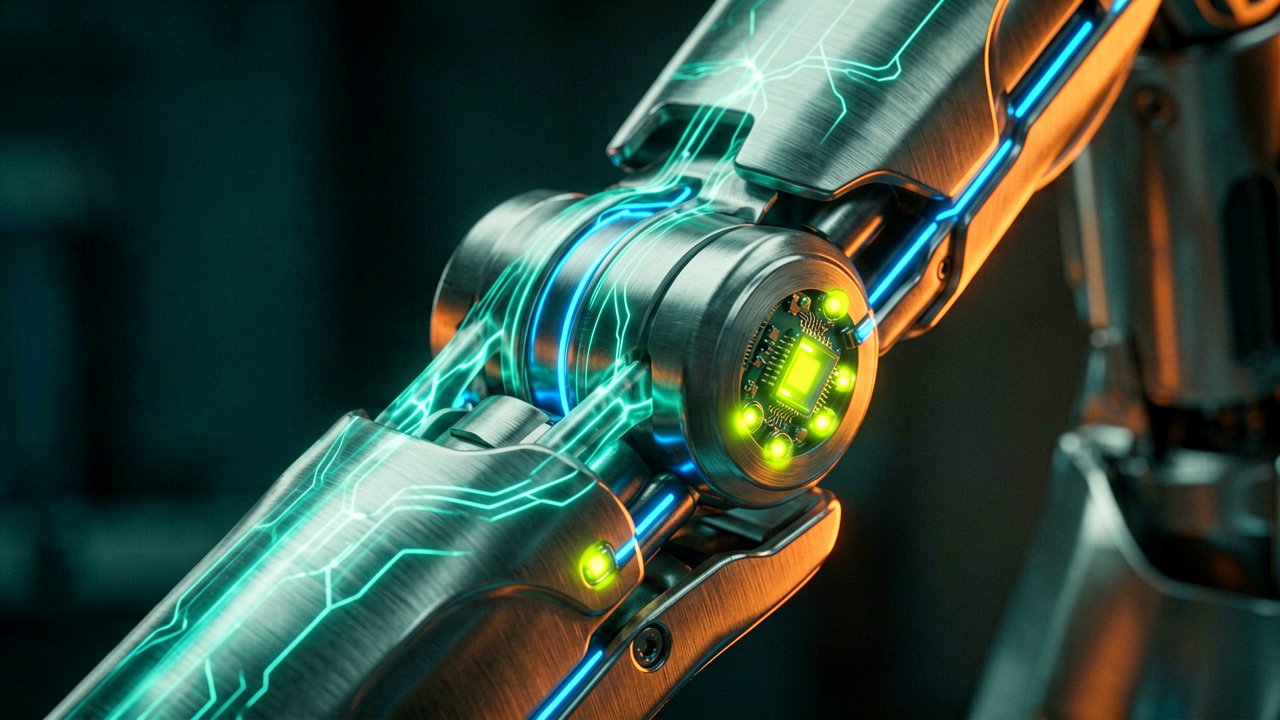
For decades, wearable robotics treated the human body like a stubborn mule—strapping it into motorized scaffolding that blindly executed pre-programmed strides. You pushed a button, or crutched your way forward, and the machine dragged your limbs along for the ride. It was a monologue, loud and mechanical. But the brilliant minds over at the Korea Advanced Institute of Science and Technology just turned that clunky interaction into a breathtaking, two-way conversation.
With the announcement of their pioneering Brain-to-Robot flagship project, detailed by EurekAlert!, researchers have cracked open the holy grail of neuro-robotics: a bidirectional brain-computer interface built directly into an exoskeleton. This is not just about translating a user's intent to walk into a mechanized step. It is about the suit sending physical sensations back to the cerebral cortex, effectively tricking the human brain into adopting the titanium frame as an organic extension of its own nervous system.
Breaking the One-Way Street
Traditional brain-machine interfaces are notoriously frustrating affairs. They operate on a strict, one-way street where a user stares at a screen or concentrates aggressively to move a mechanical appendage, completely devoid of any tactile confirmation. If the robot bumps into a wall, the user only knows because they saw it happen. KAIST's new paradigm shatters this sensory isolation by integrating real-time neural feedback loops. When the exoskeleton touches the ground, optimized signals bypass damaged spinal paths to whisper that physical contact directly back to the brain.
This closed-loop system changes everything for rehabilitation and assistive tech. According to reporting on the institute's initiatives by Donga Science, the project relies on a deeply integrated cocktail of advanced brain interfaces, custom-tailored AI decoding algorithms, and specialized semiconductors. By combining these fields, the system minimizes the exhausting mental training usually required to operate neural prosthetics. The brain stops fighting the machine and simply starts experiencing it.
From Heavy Metal to Natural Movement
The implications of this breakthrough stretch far beyond the pristine walls of a South Korean research facility. For individuals suffering from severe paralysis or spinal cord injuries, the emotional and physiological disconnect of moving without feeling has always been a massive hurdle to adopting wearable tech. By marrying the thought of movement with the immediate sensory reward of a taking a step, KAIST is laying down the blueprint for true neural integration. It is an editorial shift from wearing a machine to fundamentally merging with one.
The true magic of this technological leap lies not in the metal, but in the phantom thread woven between flesh and circuitry. By feeding tangible kinetic sensations back into the brain's sensory cortex, the platform exploits the nervous system's inherent plasticity. For an individual living with profound quadriplegia, the simple act of taking a step is no longer an abstract command issued to an external machine. Instead, the brain actively perceives the ground, registering the subtle weight shifts and structural resistances of each stride as if they were coming from natural limbs.
This massive paradigm shift is the fruit of an ambitious, multi-year flagship initiative funded through the Korea Medical Device Development Fund. Spearheaded by renowned robotics professors Kyoungchul Kong and Jung Kim alongside the advanced engineering teams at Angel Robotics, the project aims to thoroughly redefine human-machine collaboration by the year 2032. Rather than forcing a patient to manually adjust to an unpredictable environment, this framework utilizes custom AI-driven semiconductors that map out and mimic organic motor mechanisms on the fly.
The Architecture of Symbiosis
To truly appreciate what the team at the Korea Advanced Institute of Science and Technology is building, one must look at their recent evolutionary triumphs. At the Cybathlon competition, earlier iterations of their specialized gear—such as the WalkON Suit F1—captured global headlines by autonomously navigating complex obstacle courses to assist paralyzed pilots. While those previous systems relied heavily on external vision sensors and balancing algorithms to stay upright, this new venture bypasses the middleman entirely, bringing the biological mind directly into the machine's primary control loop.
This intimate pairing completely rewrites the rules of physical therapy and neurorehabilitation. According to insights shared via Donga Science, traditional rehabilitation often stalls because the user cannot naturally gauge how much force their mechanized frame is exerting. KAIST's bidirectional architecture solves this core vulnerability by establishing an ongoing conversation. The brain dictates the movement, the suit handles the heavy lifting, and the internal sensors instantly shoot tactile data back up the spinal pathway to refine the next decision.
Ultimately, we are witnessing the dawn of an entirely new class of medical devices that behave less like rigid tools and more like genuine biological partners. By engineering a system where mechanical intent and human sensory awareness flow back and forth seamlessly, these researchers are paving a definitive path toward an era where paralysis is treated as a temporary disconnect rather than an absolute barrier.
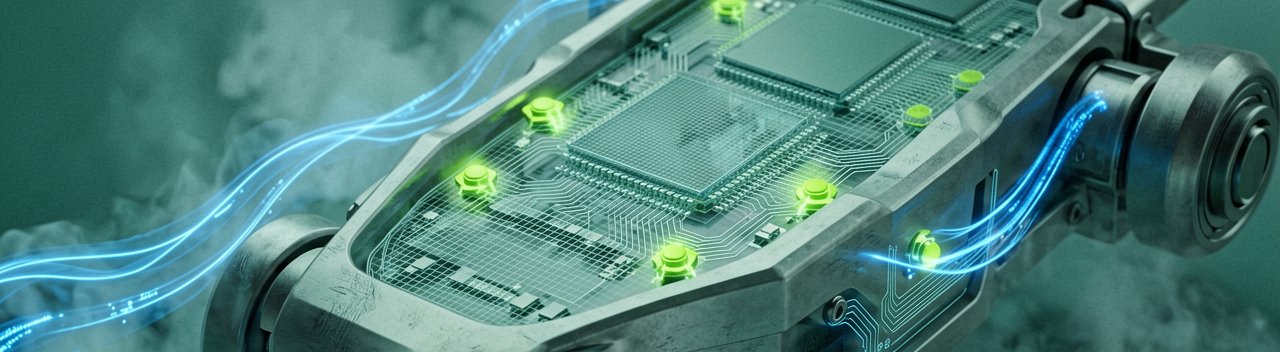
Strip away the sci-fi romance of a thought-controlled exoskeleton, and you are left with a cold, hard masterclass in disruptive semiconductor architecture. The real triumph of this South Korean breakthrough is not that it allows a human mind to command a machine, but that it processes this complex, bidirectional dialogue locally and instantly. By packing sophisticated artificial intelligence decoding algorithms directly onto localized microchips, the development team has effectively eliminated the crippling latency that doomed previous brain-computer interfaces to the realm of clumsy lab experiments.
This localized processing power completely alters the economic and practical realities of assistive medical technology. Historically, advanced neuro-prosthetics required massive, room-sized computing stacks or persistent cloud connections to interpret messy, noisy human brainwaves. By shrinking this massive infrastructure down into an on-board chip embedded right into the chassis, the researchers have created a self-contained, truly mobile platform that operates with the split-second speed required for real-world survival.
The Geopolitical Race for Digital Flesh
There is also a massive broader industrial strategy at play within this specific breakthrough. As global tech giants pour billions into standalone humanoid robots, South Korea’s highly coordinated push through the Korea Medical Device Development Fund signals a distinctly different, human-centric philosophy. They are actively choosing to upgrade the existing human worker and patient rather than replacing them entirely, establishing a highly lucrative blueprint for industrial manufacturing, geriatric care, and heavy logistics.
By transforming these exoskeletons from passive, motorized scaffolding into highly intuitive, sensory-mapped extensions of the human nervous system, they are setting an incredibly high bar for international competitors. The era of the simple wearable robot is officially dead. In its place, we are witnessing the birth of an entire industry focused on seamless cybernetic integration, where the ultimate competitive advantage lies in how invisibly a machine can blend into the background of human consciousness.
"We used to fear that machines would eventually take our minds; it turns out they just needed us to share them so they could finally teach our bodies how to walk again."
Artūras Malašauskas is an AI Systems Integrator with 20+ years of production-grade web engineering experience. He has designed, shipped, and scaled enterprise Python/PHP systems for logistics, SaaS, and public-sector clients. For the past year, he has focused exclusively on AI integrations: deploying open-source LLMs, building generative media pipelines (image, audio, video), and engineering multi-agent workflows for real production environments. His standard: reproducibility, security, cost-efficient inference—no vaporware. He documents and evaluates emerging AI tooling, separating verified capabilities from marketing noise. Technical editor at: muza-ai.eu, ai-verslas.lt, ai-naujinos.lt Connect on LinkedIn
Comments