Summer Game Fest 2026: A Data-Driven Look at How Showcases Shape Gaming Trends and Metrics
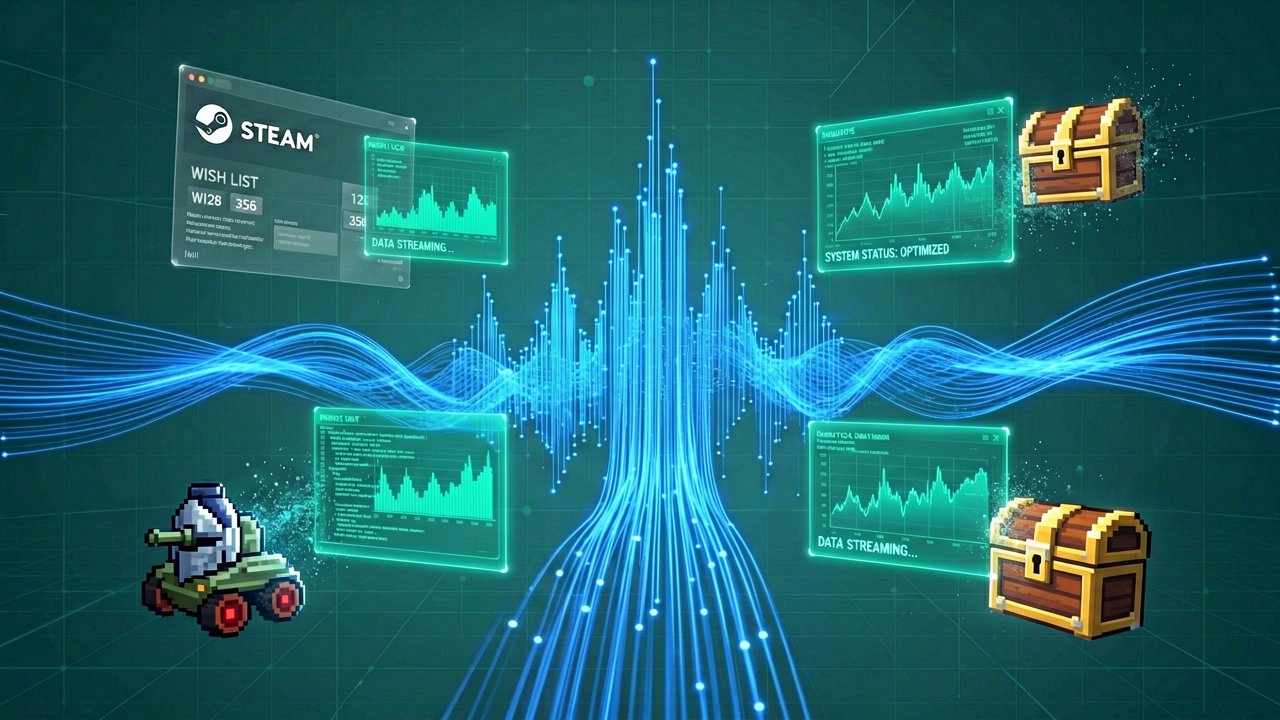
The conclusion of Summer Game Fest 2026 has solidified the event's status as the single most critical marketing engine in the global interactive entertainment landscape. Data tracking from the multi-day event reveals a massive structural shift in how publishers generate consumer intent and manage multi-million dollar software rollouts. By operating a digital-first, decentralized broadcasting strategy, the showcase pipeline bypasses historical distribution bottlenecks to directly influence digital marketplace wishlists, retail pre-orders, and ecosystem engagement metrics worldwide.
According to data released via Geoff Keighley, the flagship showcase achieved an unprecedented 62 million global livestreams, marking a 23% year-over-year surge in overall viewership. This explosive growth was driven primarily by an expansive network of over 12,800 independent content creators who co-streamed the broadcast to native audiences. Market intelligence from GameDiscoverCo underscores this evolution, highlighting that roughly 64.8% of all Summer Game Fest consumption occurred via secondary creator streams rather than the main publisher feeds.
The Architecture of Attention Capture
The direct correlation between digital broadcast placement and actionable consumer demand was fully realized throughout the 2026 showcase cycle. According to audience trackers at Tech Insider, the main event drew an immediate peak concurrent audience of approximately 3.86 million viewers. This massive density of concurrent attention acts as a high-leverage marketing funnel for third-party publishers, allowing them to scale awareness at a fraction of the capital required by legacy trade show models.
Rather than relying on uncoordinated PR cycles, major game publishers timed regional sales incentives, store beta sign-ups, and pre-orders to align with live video updates. For instance, Sony integrated its structural promotions directly around their adjacent showcase events. Live telemetry from Streams Charts verified that the platform-specific State of Play companion event secured 3.03 million peak concurrent viewers, illustrating how hardware ecosystems capitalize on the broader summer announcement window.
Wishlist Velocity and Strategic Conversions
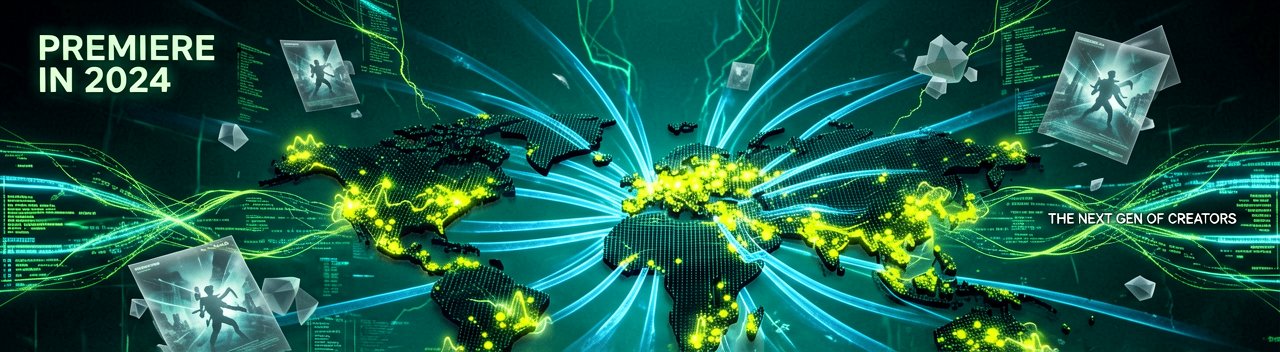
The underlying metric for evaluating showcase ROI has firmly moved from post-show social impressions to high-intent storefront telemetry. Platforms like Valve’s Steam storefront experienced immediate, high-velocity adjustments to global user wishlists within minutes of individual trailers going live on screen. Games featuring prominent placement, such as the Resident Evil: Code Veronica remake, immediately dominated post-show user interest trends.
As detailed by industry analysis from WN Hub, digital showcase placement triggers immediate consumer conversion loops, directly boosting software lifecycle predictability. These spikes in wishlist metrics provide essential operational data points for publishers navigating highly crowded release schedules. It enables development teams to benchmark organic interest, tune targeted digital advertisement spend, and secure priority storefront visibility ahead of full physical and digital commercial launches.
The Hidden Dynamics of Digital Conversion
Behind the Corporate Metrics: The true battlefield of Summer Game Fest 2026 operates far beneath the surface level of aggregate viewership counts and social media trend boards. For independent developers and mid-sized publishers, securing a two-minute trailer slot in the main showcase has evolved into a high-stakes financial gamble. While AAA publishers absorb the substantial placement fees as standard marketing overhead, smaller studios frequently reallocate their entire annual public relations budget into this single broadcast window. The systemic risk is immense, as a trailer positioned immediately before or after a major franchise announcement faces the distinct possibility of being completely overshadowed in post-show media coverage.
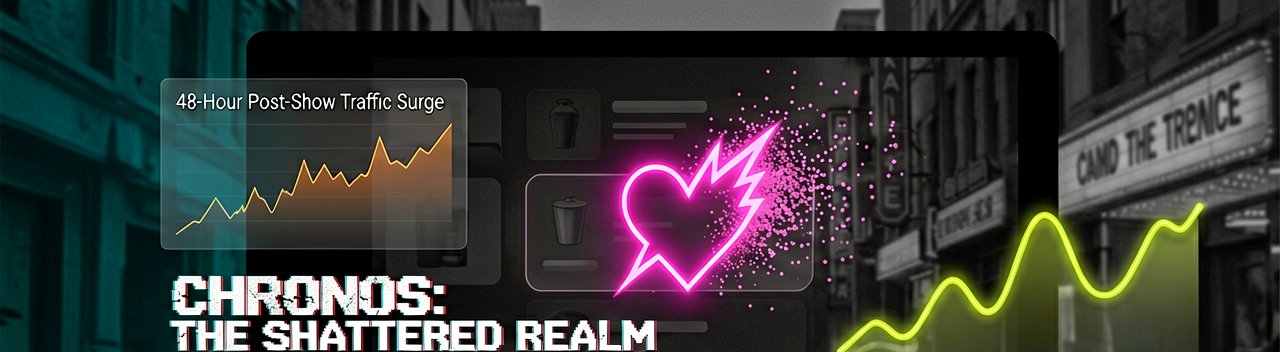
This stark division in promotional leverage has fundamentally altered how platform holders and publishers structure their storefronts during the event. Throughout the 2026 cycle, Valve, Sony, and Microsoft ran highly coordinated, algorithmic digital festivals designed to instantly capture the spillover traffic from the live streams. Industry analysts note that a game's long-term commercial viability is no longer determined solely by the trailer quality, but by how effectively its storefront page leverages the immediate 48-hour post-show traffic surge. Studios that failed to deploy playable public demos or optimized store tags alongside their announcements saw an immediate decay in conversion rates, regardless of their live viewership spikes.
Furthermore, the changing nature of creator co-streaming has added a volatile layer of unpredictability to modern publisher strategies. While reaching audiences through decentralized creator feeds allows for precise demographic targeting, it strips publishers of narrative control over their own products. Live telemetry indicated instances where a trailer received overwhelmingly positive feedback on the primary event stream, yet was simultaneously dismissed or criticized by high-profile influencers broadcasting to hundreds of thousands of concurrent viewers. This fracture in audience reception forces marketing teams to look beyond raw impression numbers, shifting their focus toward sentiment analysis to accurately forecast eventual sales performance.
Historically, the gaming industry relied on the physical infrastructure of E3 to establish institutional prestige and secure retail distribution channels through private, closed-door handshakes. The digital paradigm exemplified by Summer Game Fest 2026 has completely democratized consumer access while simultaneously concentrating systemic gatekeeping power into fewer hands. As algorithmic curation becomes the primary driver of discoverability, the industry is entering an era where the data gathered during this single week in June dictates development priorities, greenlight decisions, and investor confidence for the rest of the fiscal year.
The Mirage of the Wishlist Metric
Reading Between the Lines: The celebratory corporate narrative surrounding the record-breaking telemetry of Summer Game Fest 2026 conveniently ignores a widening gap between consumer attention and actual commercial viability. For years, the industry has treated the immediate post-show spike in digital marketplace wishlists as an infallible proxy for future revenue. However, a deeper examination of historical conversion rates reveals that these metrics are becoming increasingly inflated. As digital storefronts make wishlisting as effortless as a single click, the consumer psychology behind the action has shifted from a genuine intent to purchase to a passive bookmarking habit, muddying the data that publishers rely on to secure funding.
This reality exposes a glaring contradiction in how modern publishers evaluate showcase ROI. Major studios readily spend hundreds of thousands of dollars for a premium broadcasting slot, justifying the capital expenditure based on millions of concurrent views and social media impressions. Yet, the systemic overcrowding of the release calendar means that the vast majority of these hyped titles will launch into a market suffered from chronic oversupply. The localized data bumps achieved during the summer window frequently fail to translate into sustained long-term engagement, leaving mid-tier titles to suffer from steep post-launch sales cliffs once the algorithmic spotlight shifts elsewhere.
Furthermore, the heavy reliance on decentralized creator co-streams introduces a fragile paradox into publisher marketing frameworks. While partnering with thousands of independent influencers successfully inflates the aggregate viewership numbers to impressive heights, it simultaneously dilutes the commercial impact of the announcements. Audiences tuning in to a creator's stream are primarily consuming the personality and commentary of the host, rather than the marketing materials on display. This shift suggests that the multi-million dollar promotional assets crafted by developers are increasingly serving as mere background noise for influencer content, rather than acting as a direct catalyst for consumer spending.
Projecting into the late 2020s, this structural dependency on hyper-concentrated digital showcases risks stifling creative risk-taking across the ecosystem. When a game’s entire commercial lifecycle is dictated by its ability to generate an instant, volatile reaction within a crowded two-hour broadcast, developers inevitably tailor their creative output to fit the constraints of the medium. The result is an industry heavily skewed toward visually spectacular cinematic trailers and safe, easily identifiable genre mashups. This focus on immediate optimization comes at the expense of deeper mechanical innovation, which is notoriously difficult to convey in a thirty-second marketing beat.
"The modern video game showcase has successfully transformed the multi-billion-dollar business of software publishing into a digital popularity contest, where a studio's ultimate success hinges on convincing a distracted teenager to click a bookmark icon while their favorite streamer talks over the audio."
Artūras Malašauskas is an AI Systems Integrator with 20+ years of production-grade web engineering experience. He has designed, shipped, and scaled enterprise Python/PHP systems for logistics, SaaS, and public-sector clients. For the past year, he has focused exclusively on AI integrations: deploying open-source LLMs, building generative media pipelines (image, audio, video), and engineering multi-agent workflows for real production environments. His standard: reproducibility, security, cost-efficient inference—no vaporware. He documents and evaluates emerging AI tooling, separating verified capabilities from marketing noise. Technical editor at: muza-ai.eu, ai-verslas.lt, ai-naujinos.lt Connect on LinkedIn
Comments