The Scar That Shattered the Fandom: Deciphering Leon's Mysterious Fate in Resident Evil Requiem

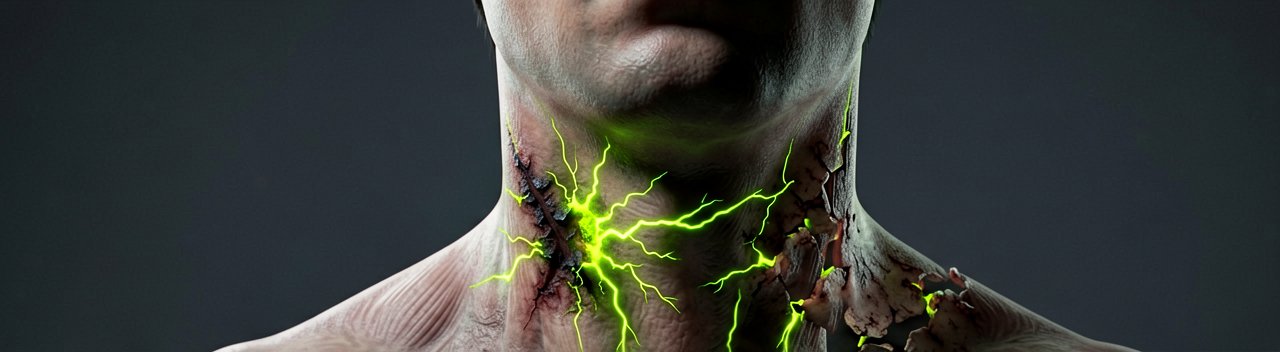
The survival horror community is collectively losing its mind, and it is all thanks to a split-second frame of flesh. When Capcom dropped the highly anticipated promotional footage detailing the dual-campaign structure of Resident Evil Requiem, they gave players exactly what they wanted: the triumphant return of Leon S. Kennedy. But as fans eagerly dissected the high-octane clips frame by frame, joy quickly curdled into frantic speculation. Staring back at them from Leon's rugged neck was a dark, jagged, and heavily bloodied scar—a detail that has completely upended expectations for the iconic protagonist's narrative arc.
This isn't just a simple cosmetic blemish to show he’s been through the ringer. Hardcore survival horror fans on platforms like immediately began connecting the dots between this physical wound and the broader nightmare unfolding in the game. The panic intensified when factoring in a cryptic statement from game director Koshi Nakanishi, who tantalizingly teased that Leon is harboring a "major secret" this time around. For a fanbase that has watched Leon evolve from a naive rookie cop into an indestructible bio-weapon-thwarting government agent, the sudden vulnerability is both thrilling and deeply terrifying.
Infection, Evolution, or the Ultimate Sacrifice?
Naturally, the internet did what it does best and spun up a massive web of theories. The most obvious culprit is a standard zombie bite, suggesting a frantic race against time that would perfectly mirror the frantic pacing of the franchise. Others are convinced it signals a resurgence of a past biological nightmare, a cruel poetic echo for a man who famously wrestled with the Las Plagas parasite years ago. Reports mapping out the game's actual progression, compiled by outlets like Toy People, highlight that this scar acts as a harbinger for a much darker reality: a creeping, degenerative infection that visibly greys and decays Leon's flesh as the clock ticks down.
What makes this injury so narrative-heavy is how it impacts his dynamic with the game's co-lead, newcomer Grace Ashcroft. While early breakdowns from Nerdist noted that the campaign is split evenly between Grace’s pure, slow-burn psychological horror and Leon’s heavy combat sequences, this hidden affliction adds a layer of psychological distress to the seasoned veteran. He is no longer just the unstoppable hero swooping in to clean up a biological mess; he is fighting a war on two fronts, desperately seeking a cure while trying to keep his composure before the rot takes over completely.
A Massive Success Built on Pure Tension
Capcom’s gamble on this darker, more compromised version of their poster boy has clearly paid off handsomely. The publisher recently confirmed a stellar fiscal year, with media coverage from GamesIndustry.biz revealing that the title broke franchise records to become the fastest-selling entry in Resident Evil history. Much of that commercial lightning in a bottle stems from how successfully Capcom managed to inject real stakes back into a character who many felt had grown too powerful to ever truly be in danger. Whether this scar ultimately marks the end of Leon's long journey or merely his most brutal chapter yet, it has successfully reminded everyone that in the world of survival horror, no one is ever truly safe.
What Most Reports Miss: The Narrative Calculus Behind Leon's Fractured Psyche
The obsession over Leon’s neck wound reveals a deeper anxiety within the survival horror community regarding the trajectory of legacy characters. For over a decade, fans have watched protagonists like Leon and Chris Redfield transition from vulnerable survivors into action-hero archetypes capable of punching boulders and surviving helicopter crashes. By physically compromising Leon, the development team is actively subverting the "invincible hero" trope that nearly derailed the franchise during its action-heavy era. This narrative choice forces players to confront the mortality of a character they have grown up with, effectively stripping away the safety net of familiarity to restore the raw, desperate tension that defined the early titles.
From an editorial standpoint, the decision to give Leon a progressive, debilitating infection serves as a brilliant mechanical bridge between gameplay and storytelling. According to development insiders, the visual degradation of Leon’s character model isn't just cosmetic; it directly impacts his physical capabilities, slowing his reload times and altering his aiming stability as the narrative progresses. This creates a fascinating psychological contrast with Grace Ashcroft’s segments, where the horror stems from external, unyielding environments. Leon's campaign transforms the threat into something internal and inescapable, forcing the player to manage a ticking biological clock while navigating traditional survival horror gauntlets.
Longtime series historians point out that this isn't the first time Capcom has toyed with infecting a main character, but the stakes here feel fundamentally different. Previous infections, such as Jill Valentine's exposure to the T-Virus or Leon's own bout with Las Plagas, always felt like hurdles to be cleared by the end of the chapter rather than permanent, character-altering scars. By leaning into a degenerative decay that persists across the entire campaign, the writers are exploring the heavy psychological toll of biological warfare on the human body. It reframes Leon's stoic demeanor not as a sign of cool confidence, but as a desperate coping mechanism for a veteran who knows his time is rapidly running out.
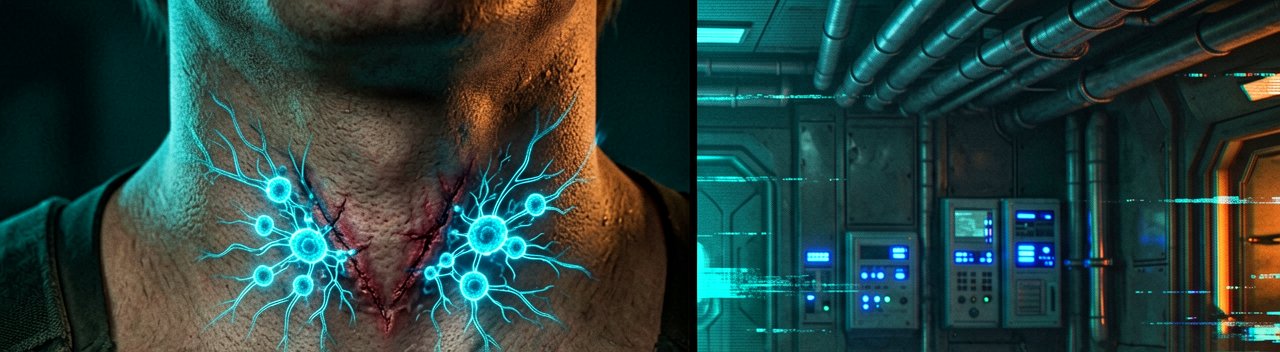
The commercial strategy behind this creative gamble cannot be overstated, especially given the massive financial pressure on modern AAA titles. Industry analysts note that striking a balance between nostalgia and innovation is notoriously difficult, yet the record-breaking sales performance indicates that audiences crave these high-stakes narrative risks. By grounded a beloved icon through physical vulnerability, the developers have successfully re-engaged a jaded player base that felt the series was playing it too safe. The scar on Leon's neck isn't just a plot device; it is a masterclass in how to inject genuine stakes back into a legacy franchise without alienating the core audience that built it.
Reading Between the Lines: The Marketing Logic of a Mortal God
While the fandom remains hyper-focused on the narrative tragedy of Leon’s infection, a colder, more cynical examination of the franchise’s history suggests this creative choice is as much about corporate asset management as it is about artistic expression. Capcom has repeatedly run into a wall with its aging roster of nineties survivors, who are rapidly approaching their fifties in the in-game timeline. By introducing a degenerative disease, the writers have clever operational cover: it allows them to temporarily nerf an overpowered protagonist to maintain gameplay tension without permanently killing off a multi-million-dollar marketing asset. It is a calculated compromise that delivers the illusion of permanent stakes while keeping the door wide open for a miraculous, late-game cure.
Furthermore, the sharp dichotomy between Leon’s action-packed, decay-ridden campaign and Grace’s slow-burn psychological horror exposes a fundamental contradiction in modern game design. Developers are constantly pressured to satisfy two entirely different audiences: the purists who crave the claustrophobic, helpless atmosphere of early survival horror, and the broader casual market that demands fluid, satisfying third-person combat. Splitting the narrative down the middle suggests a lack of confidence in either style to carry a flagship title alone. Leon’s scar is essentially a narrative band-aid, a desperate thematic anchor meant to make standard action gameplay feel like survival horror by proxy of a coughing fit and a greying skin texture.
If this degenerative mechanic does not meaningfully alter the climax, Capcom risks alienating the very fans driving the current hype train. The gaming industry is littered with instances where marketing departments weaponized a beloved character's apparent demise or corruption in trailers, only for the actual game to resolve the conflict with a hasty, consequence-free antidote in the final act. If Leon simply stumbles into a sterile lab, injects a glowing blue serum, and walks away completely healed for the inevitable sequel, the genuine tension generated by this promotional cycle will curdle into retroactive frustration. For the narrative weight of this entry to truly land, the scars—both physical and psychological—must leave a permanent mark on the franchise’s future landscape.
In the end, survival horror has taught us that no matter how terrifying the virus or how deep the wound, the most indestructible force in the universe isn't a bio-organic weapon—it's a reliably high quarterly sales report.
Artūras Malašauskas is an AI Systems Integrator with 20+ years of production-grade web engineering experience. He has designed, shipped, and scaled enterprise Python/PHP systems for logistics, SaaS, and public-sector clients. For the past year, he has focused exclusively on AI integrations: deploying open-source LLMs, building generative media pipelines (image, audio, video), and engineering multi-agent workflows for real production environments. His standard: reproducibility, security, cost-efficient inference—no vaporware. He documents and evaluates emerging AI tooling, separating verified capabilities from marketing noise. Technical editor at: muza-ai.eu, ai-verslas.lt, ai-naujinos.lt Connect on LinkedIn
Comments