Apple’s AI Gamble: iOS 27 Reboots a Smarter Siri for the Generative Era
Apple completely overhauled its digital assistant at the Worldwide Developers Conference (WWDC 2026), officially introducing Siri AI built directly into the core of iOS 27. Led by outgoing CEO Tim Cook and engineering teams in Cupertino, California, the software showcase on June 8, 2026, marked the company's definitive pivot toward an agentic, intent-based ecosystem. It's a massive architecture rewrite meant to challenge standalone chatbots and bring contextual, on-screen intelligence directly to hundreds of millions of iPhones later this year.
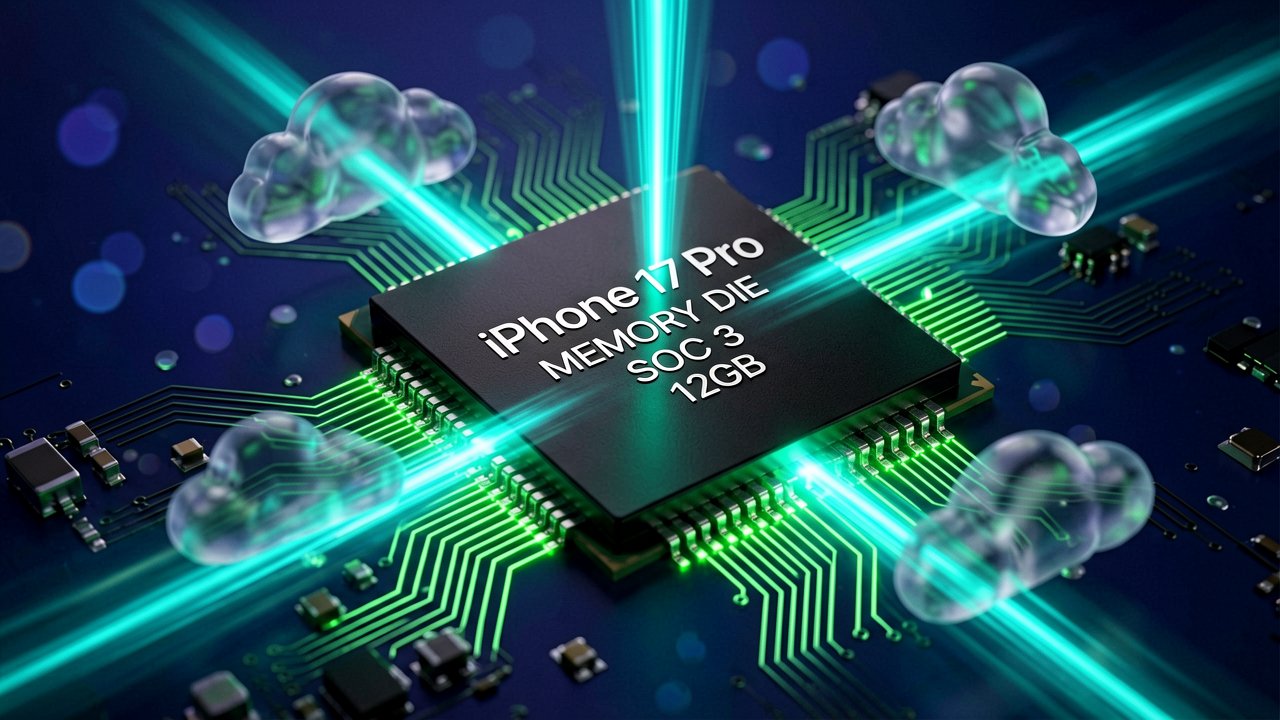
The transformation replaces the incremental voice-command upgrades of yesteryear with a deeply integrated 20-billion-parameter on-device language model, as detailed in reports tracking the infrastructure push on Memeburn. Instead of treating your phone as a collection of isolated applications, this version acts as an intuitive partner capable of parsing multi-step workflows. It can read on-screen elements, cross-reference data across Messages and Mail, and dynamically execute tasks based on personal context. However, the system's heaviest heavy-lifting features, like advanced systemwide dictation and expressive local voice rendering, demand a massive 12GB of unified memory, limiting full architectural support to top-tier hardware like the iPhone 17 Pro series.
Chatbots, Deep Integration, and the European Standoff
Aside from deeper integration, users will interact with the assistant via a completely distinct, standalone Siri app featuring a conversational interface that archives past interactions. For broader world knowledge requests, Apple built an optional bridge into third-party tools, allowing the voice assistant to securely tap into external platforms with user permission, a feature outlined by the team at the OpenAI Help Center. The global rollout isn't completely smooth sailing, though. Due to ongoing regulatory friction with the European Digital Markets Act, Apple confirmed that the rollout of Siri AI on iOS 27 and iPadOS 27 will face indefinite delays in the European Union while safe intermediary solutions are developed.
Inside Cupertino’s Architectural Shift
Behind the Scenes: The road to iOS 27 required a profound cultural and structural realignment inside Apple's software engineering division. For years, Cupertino strictly championed pure on-device processing as the foundational pillar of its user privacy doctrine. However, the sheer computational demands of modern generative models forced a compromise that purists within the company initially resisted. This tension birthed the Private Cloud Compute infrastructure, a hybrid compromise where complex, multi-step queries are handed off to dedicated Apple Silicon servers without ever caching user identity or persistent data footprints. It represents a high-stakes engineering gamble that attempts to preserve Apple's strict privacy branding while matching the raw processing muscle of its cloud-first competitors.

Siri's historical limitations were largely a byproduct of its rigid, intent-based architecture, which relied on hardcoded domains and specific verbal triggers. When users deviated from expected phrasing, the assistant frequently defaulted to web search results, frustrating consumers and driving them toward more flexible alternatives. By swapping out this legacy infrastructure for a 20-billion-parameter core model, engineers effectively handed the assistant a semantic map of the entire operating system. The new framework doesn't just listen to words; it continuously maps user intent against a dynamic index of on-screen content, app actions, and personal context. This enables the system to understand ambiguous pronouns and maintain conversational state across completely unrelated applications.
This technical evolution has reignited a fierce hardware debate among industry analysts and consumers alike. By anchoring the most advanced capabilities to an aggressive 12GB memory threshold, Apple has effectively drawn a sharp line through its device ecosystem. While this strategy successfully creates a powerful incentive for premium upgrades, it risks alienating millions of loyal users holding relatively recent devices. Wall Street observers view this as a calculated maneuver to break the prolonged smartphone upgrade stagnation, betting that true systemwide intelligence will finally convince cautious consumers to trade in their older hardware.
The global tech landscape, however, is rarely governed by engineering merit alone, and geopolitical hurdles are already complicating the rollout. Regulatory bodies, particularly within the European Union, view Apple's deep operating system integration with deep skepticism, fearing it could unfairly disadvantage independent AI developers. This regulatory friction underscores a broader industry reality where technological breakthroughs are consistently constrained by regional compliance frameworks. As Apple navigates these legal standoffs, the true test for iOS 27 will be whether its sophisticated hybrid AI architecture can deliver a seamless, uniform experience on a truly global scale.
The Hidden Cost of Intimacy
Reading Between the Lines: Apple’s marketing narrative frames the new Siri as an omnipresent, deeply personal confidant, yet this idealized vision ignores a fundamental architectural contradiction. The company is attempting to position itself as a bastion of digital privacy while building a system that requires unprecedented access to your digital life to function effectively. For Siri to proactively surface contextual insights, it must constantly catalog your text messages, index your emails, track your location data, and scan your screen. This creates a paradox where absolute privacy can only be maintained if the assistant remains functionally blind, forcing users to make an uncomfortable trade-off between genuine utility and personal data isolation.
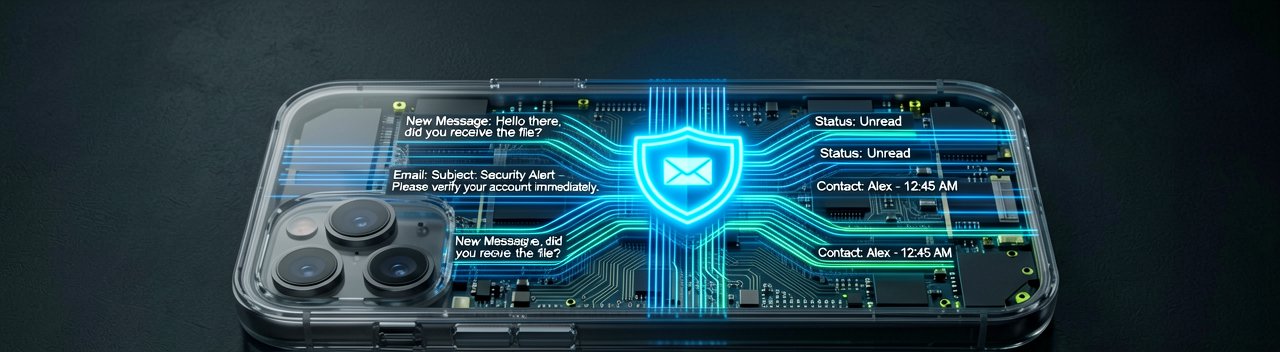
Furthermore, the reliance on a hybrid cloud infrastructure chips away at the classic marketing promise of pure on-device sovereignty. While Apple guarantees that its Private Cloud Compute nodes are cryptographically secure, the reality of routing complex user data outside the physical chassis of the phone introduces a new layer of systemic risk. No server infrastructure is entirely immune to sophisticated exploits, configuration drift, or nation-state pressure. By moving the goalposts from "what stays on your device stays on your device" to "trust our cloud design," Cupertino is quietly rewriting its long-standing privacy covenant with consumers to keep pace with the Silicon Valley arms race.
There is also an economic cynicism underlying this architectural shift that deserves closer scrutiny. By restricting the fully realized, local version of Siri AI to premium hardware equipped with 12GB of RAM, Apple is effectively turning a software feature into a luxury tax. This strategy risks fragmenting the iOS ecosystem into a tiered caste system, where entry-level iPhone buyers are relegated to a lobotomized, cloud-dependent version of an assistant that their premium peers enjoy natively. It exposes a harsh commercial reality: in the generative era, true personalization is no longer an inclusive software update, but an expensive hardware upgrade masquerading as consumer progress.
Ultimately, this reliance on deeper operating system integration might backfire in the global market, transforming Apple's walled garden into a regulatory target. By embedding its proprietary language models so deeply into the core fabric of iOS, the company is inviting intense scrutiny from antitrust regulators who view this tightly bound ecosystem as anti-competitive behavior. If Apple is forced by international courts to decouple Siri and allow third-party AI agents the same low-level system access, the entire competitive advantage of this massive architectural rewrite could evaporate overnight, leaving Cupertino with an incredibly expensive, highly regulated sandbox.
Apple has spent a decade telling us that our data belongs exclusively to us, only to realize that the only way to build a truly smart phone is to let a 20-billion-parameter model read our diaries and organize our digital laundry.
Artūras Malašauskas is an AI Systems Integrator with 20+ years of production-grade web engineering experience. He has designed, shipped, and scaled enterprise Python/PHP systems for logistics, SaaS, and public-sector clients. For the past year, he has focused exclusively on AI integrations: deploying open-source LLMs, building generative media pipelines (image, audio, video), and engineering multi-agent workflows for real production environments. His standard: reproducibility, security, cost-efficient inference—no vaporware. He documents and evaluates emerging AI tooling, separating verified capabilities from marketing noise. Technical editor at: muza-ai.eu, ai-verslas.lt, ai-naujinos.lt Connect on LinkedIn
Comments