European Game Developers Navigate Salary Shifts and AI Integration in 2025
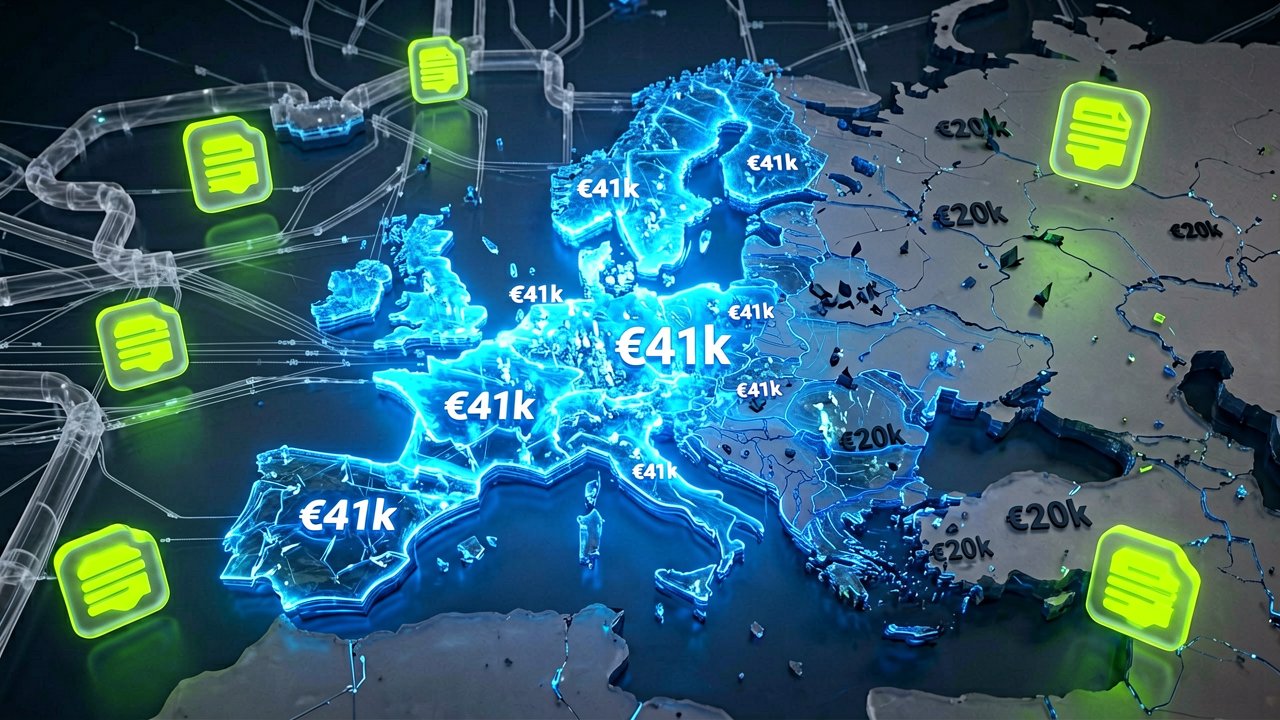
The European video game industry underwent a structural transformation throughout 2025 as studios balanced volatile economic pressures with rapid technological acceleration. According to comprehensive data from the InvestGame employment survey, a severe geographic pay divide persisted between European Union-aligned territories and non-EU regions. Mid-tier game professionals within the EU, United Kingdom, and Switzerland recorded a median gross salary of €41,000, whereas their non-EU counterparts earned roughly half that amount. This financial volatility was compounded by a tight labor market where 26% of surveyed professionals faced layoffs, forcing studios to pivot toward leaner, more flexible production frameworks.
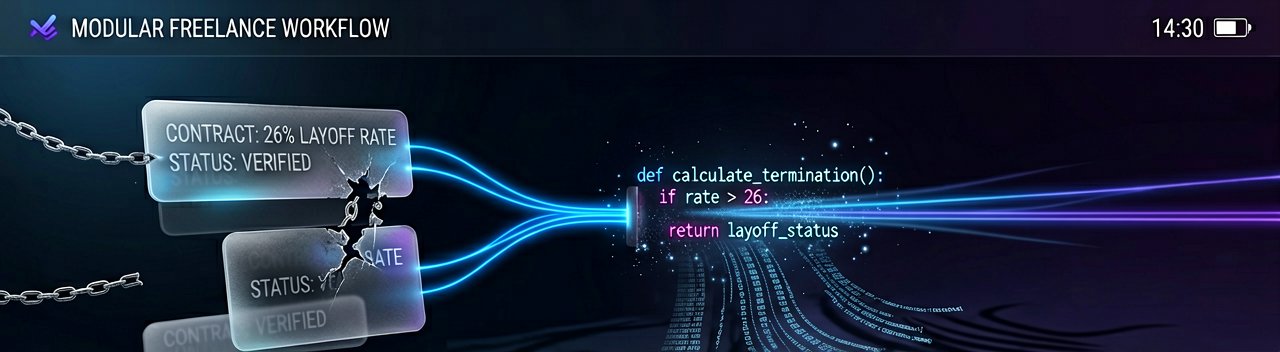
To offset macroeconomic volatility and optimize production budgets, European studios massively scaled their reliance on contingent workforces. Industry reports from GamesPress indicated that studio expenditures on external contractors and freelancers surged by 63% in Europe over the course of 2025. This transition toward modular, short-term contracts allowed developers to scale development pipelines dynamically without incurring long-term headcount liabilities. Consequently, the average monthly income for game development freelancers in Europe stabilized at €2,000, with management and technical specialists capturing the highest premium increases.
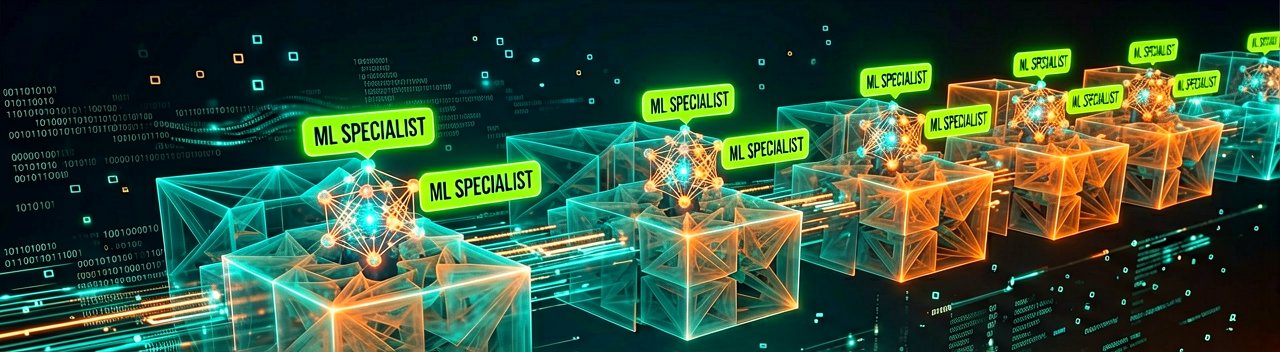
Simultaneously, artificial intelligence progressed from a speculative concept to a formalized tool embedded directly into daily production pipelines. Market analysis by confirmed that developers with verified machine learning and AI integration expertise commanded a 25% earnings premium over their non-AI counterparts. This high-demand skill segment insulated select technical roles from broader market stagnation, establishing a clear line of divergence between legacy development functions and modern, automation-forward engineering.
Geographic Pay Disparities and Seniority Benchmarks
The compensation hierarchy in Western and Central Europe continues to favor senior technical leaders and production management over creative or quality assurance roles. Data from the BIG Games Industry Employment Survey outlines that executive management and C-level roles in EU-aligned countries commanded a median gross salary of €92,500. Senior programmers and developers followed closely at a median of €70,000, while senior artists and game designers lagged behind at €43,500 and €60,664 respectively. Conversely, quality assurance specialists remained at the absolute bottom of the global compensation scale, pulling in a median salary of just €16,935 in non-EU European territories.
The Rise of the AI Premium and Targeted Upskilling
As studios prioritized algorithmic efficiency, traditional job roles evolved to require specialized technical proficiencies. Recruitment data analyzed by TechNET Immersive highlights that companies increasingly prioritized candidates capable of managing procedural content generation and predictive player analytics. Demand for machine learning specialists drove a major reassessment of core developer competencies. While fundamental programming skills in Python, C++, and Unreal Engine 5 remained critical bedrock requirements, developers who demonstrated concrete experience deploying AI-driven systems effectively bypassed the flat wage trends impacting the rest of the industry.
Remote Flexibility and Evolving Workplace Models
Despite corporate mandates pushing for a return to physical offices across the broader tech landscape, flexible work structures remain an absolute baseline requirement for European game talent. Industry hiring sentiment compiled by BrainSource.io notes that hybrid and remote options are treated as non-negotiable benefits by top-tier specialists. Studios utilizing distributed, cross-border remote teams managed to mitigate localized talent shortages while keeping operational costs in check. This decentralized approach allowed Western European publishers to tap into highly competitive senior talent pools across Eastern European hotspots like Poland and Romania, fundamentally reshaping regional hiring practices.
Beneath the Surface of the 2025 Realignment
What Most Reports Miss: The institutional shift toward artificial intelligence and decentralized workforce structures in 2025 was not merely a strategy for operational cost reduction, but a defensive response to structural over-hiring from the previous decade. When the macroeconomic environment tightened, mid-sized European studios found themselves trapped between rigid local labor laws and the need for rapid fiscal agility. Traditional permanent employment models became a distinct financial liability, forcing human resource departments to rethink the core composition of their development teams and look toward more fluid staffing models.
This reality accelerated a polarization of talent across the continent. While executive management teams and elite software engineers leveraged niche machine learning capabilities to secure historically high compensation packages, entry-level professionals faced an increasingly hostile job market. Junior artists and quality assurance technicians bore the brunt of automated asset pipelines and localized downsizing. The reliance on algorithmic asset generation reduced the sheer volume of baseline production hours required for major projects, effectively raising the barrier of entry for new graduates entering the European games ecosystem.
Furthermore, the reliance on an expanded freelance economy altered the cultural fabric of many historic European development hubs. European studio directors increasingly functioned as project managers overseeing a distributed network of remote contractors rather than fostering long-term, in-house creative teams. While this decentralized framework successfully mitigated the financial overhead of physical studio spaces, it introduced significant friction regarding intellectual property security and cross-border tax compliance, creating an administrative bottleneck that complicated production timelines.
As the industry looks beyond the volatility of 2025, the long-term sustainability of this hybrid ecosystem remains under intense scrutiny by industry labor groups. The massive 63% increase in contingent workforce spending highlighted a structural reluctance to invest in permanent internal talent development. European studios managed to maintain baseline output and stabilize profitability margins throughout the crisis, but this structural pivot ultimately traded long-term organizational stability for short-term fiscal resilience.
Skepticism and Structural Realities in the Modern Pipeline
Reading Between the Lines: The industry's celebrated pivot toward an "AI-driven talent premium" masks a deeper, more troubling systemic contradiction. While studios eagerly pay a 25% premium for specialized machine learning expertise, these investments are frequently treated as short-term technical fixes rather than long-term pillars of game design. The current executive enthusiasm assumes that cutting-edge automation can seamlessly substitute for structural design experience. In practice, over-reliance on procedural generation and automated code refactoring often yields homogenous asset libraries and technical debt, requiring costly manual intervention by senior legacy engineers down the line.
Furthermore, the strategic embrace of the freelance economy creates an unsustainable paradox for the European talent pipeline. By replacing permanent junior positions with a fluid network of external contractors, studios are effectively dismantling the foundational training grounds that produce tomorrow’s senior developers. This shortsighted focus on quarterly balance sheets creates a severe talent vacuum. Without structured in-house mentorship and stable entry-level career paths, the industry risks choking off its native talent supply, rendering its current reliance on elite, highly compensated specialists an expensive, non-reproducible luxury.
This decentralized approach also reveals geographic cracks in the European Union's push for digital sovereignty. As Western European studios aggressively outsource core engineering tasks to non-EU territories to leverage lower median wage scales, they encounter a complex web of regulatory friction. The administrative overhead of managing international intellectual property rights, data compliance, and volatile local currencies frequently erodes the targeted cost savings. This geographic arbitrage ultimately offers diminishing returns, transforming what was intended to be an agile production network into a bureaucratic bottleneck.
"The modern gaming studio has successfully evolved into a highly optimized, AI-accelerated, decentralized enterprise—perfectly engineered to produce technically proficient software, provided nobody expects the resulting product to actually be fun to play."
Artūras Malašauskas is an AI Systems Integrator with 20+ years of production-grade web engineering experience. He has designed, shipped, and scaled enterprise Python/PHP systems for logistics, SaaS, and public-sector clients. For the past year, he has focused exclusively on AI integrations: deploying open-source LLMs, building generative media pipelines (image, audio, video), and engineering multi-agent workflows for real production environments. His standard: reproducibility, security, cost-efficient inference—no vaporware. He documents and evaluates emerging AI tooling, separating verified capabilities from marketing noise. Technical editor at: muza-ai.eu, ai-verslas.lt, ai-naujinos.lt Connect on LinkedIn
Comments