When AI Steals the Spotlight: The Ethical Crisis in Gaming Voice Acting
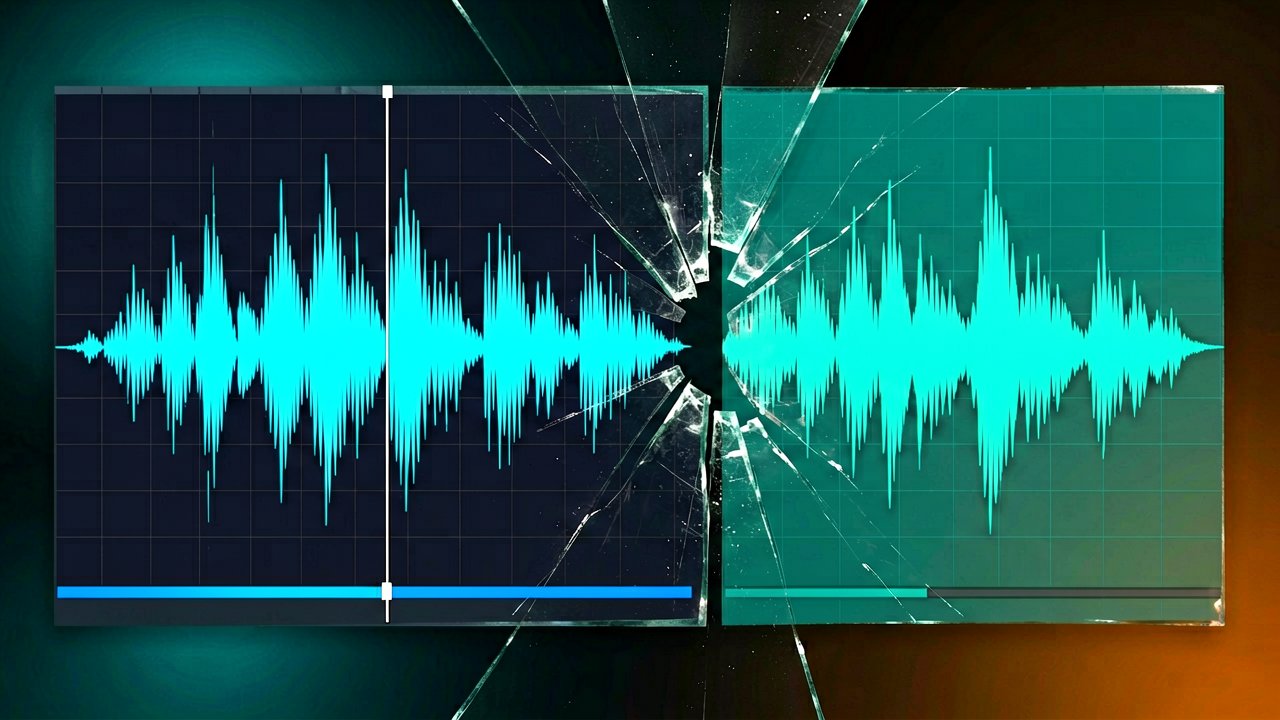
There is an unspoken alchemy that occurs when a brilliant actor steps into a recording booth. It is found in the sharp intake of breath before a betrayal, the slight quiver of a lower lip captured via motion tracking, and the spontaneous, unscripted cracks in a delivery that can break a player’s heart. When TheGamer celebrated the immense depth of Baldur’s Gate 3, it highlighted how its entirely human performances became the emotional anchor for millions of players worldwide. Yet, as generative technology creeps further into game development pipelines, this deeply human craft finds itself in the crosshairs of an algorithmic takeover.
The simmering tension recently boiled over when key members of the Baldur’s Gate 3 cast took a fierce stand against the corporate rush toward synthetic replication. Expressing deep frustration with the emerging trend, actress Jennifer English openly slammed the idea of replacing human performers as "dumb as hell," emphasizing that the organic soul injected by writers and actors is precisely what makes sprawling RPGs worth caring about. Meanwhile, co-star Neil Newbon—celebrated for his award-winning portrayal of the charismatic vampire Astarion—did not mince words either, flatly labeling generative AI voices as "crap," "boring," and "dull as hell."
The Synthetic Disconnect
The core of the controversy lies in an undeniable mismatch between what massive gaming corporations see as a cost-saving shortcut and what the creatives view as an existential threat to their livelihoods. Executives looking to streamline massive, branching narrative trees are increasingly eyeing AI voice models to generate endless lines of background dialogue, dynamic companion barks, or early placeholder tracking. However, as noted by GamesIndustry.biz , a painful disconnect persists between how game publishers evaluate the contributions of voice actors and how passionately the gaming community embraces them. Performers are frequently treated as easily outsourced line-readers rather than true co-creators of the interactive experience.
This dismissive attitude ignores the foundational reality of the acting craft. Human performance is built entirely on spontaneity, subtext, and the unpredictable magic of shared creative direction. Generative models can merely rearrange past data into a polished facsimile of emotion, fundamentally missing the "happy accidents" that transform a standard script into an unforgettable, generation-defining piece of art. When a developer relies on an algorithm to fill the silence, they are trading creative depth for a cheaper bottom line.
Corporate Greed and Artistic Integrity
The push toward synthetic automation is rarely a choice made for artistic elevation; it is a calculated financial maneuver designed to maximize profit margins. Critiquing the short-sighted vision of technology-focused CEOs, Karlach actress Samantha Béart issued a blunt warning via Popverse, cautioning that companies attempting to bypass human talent will ultimately destroy their own corporate reputations and alienate their core audience. For many voice actors, this battle is not just about defending artistic purity—it is a critical fight for survival against unauthorized voice cloning, digital theft, and the systematic erasure of performance rights across the entire entertainment sector.
As the gaming community increasingly votes with its wallet, the long-term success of studios may well depend on their willingness to reject clinical automation in favor of raw human talent. Replicating a voice through code might generate lines of dialogue faster, but it will never capture the delicate, empathetic spark that truly makes a digital world feel alive.
The corporate push to automate human emotion will ultimately shatter against the reality of player devotion. Video games are distinct from almost every other art form because they demand a deep, hours-long emotional investment from the person holding the controller. When players spend over a hundred hours navigating a narrative masterpiece, they do not just fall in love with the digital avatars; they bond with the deliberate artistic choices of the human creators behind them. This profound connection is why fans form vibrant communities, attend conventions, and champion voice actors as the literal heartbeat of their favorite intellectual properties. A synthetic algorithm can mimic the pitch and tone of a voice, but it can never replicate the genuine charisma that inspires such fierce, organic loyalty.
The Real Value of Human Error
As publishers continue to test the boundaries of what audiences will tolerate, the industry is entering a phase of creative homogenization. The immediate threat of generative automation is not just the potential loss of jobs, but the absolute death of creative risk. Generative models operate by predicting the most statistically probable next word or note, a mechanical process that is fundamentally incapable of producing true artistic innovation. Real creative breakthroughs always emerge from the margins—from an actor interpreting a line in a way the writer never intended, or from a voice cracking under the genuine weight of a grueling recording session. By sanitizing the development process to eliminate these unpredictable human variables, studios risk producing incredibly polished, deeply forgettable corporate products.

Furthermore, the long-term economic argument for replacing human performers with synthetic code remains incredibly short-sighted. While cutting voice actors out of the production budget might offer immediate, short-term relief to a studio's bottom line, the resulting loss of artistic identity carries a massive financial penalty. Modern gamers possess a highly sophisticated radar for corporate laziness, and history shows they are entirely willing to reject titles that feel soulless or transactional. In a highly crowded market where thousands of games vie for consumer attention, authentic, high-quality human performance acts as a premium badge of honor that distinguishes a true masterpiece from generic digital noise.
A Culture Worth Defending
The resolution of recent labor disputes proves that the gaming community and creative talent are entirely unified in their desire to protect the artistic integrity of the medium. The future of interactive storytelling belongs to the studios that view technological advancement as a tool to empower human creators, rather than a corporate mechanism designed to replace them. Technology should be used to build grander worlds, render more realistic physics, and streamline tedious backend development, leaving the delicate art of emotional expression to the only creatures capable of actually feeling it.
In the final analysis, game publishers are learning the hard way that you cannot automate the soul of a story; players will always prefer a beautifully flawed human performance over a mathematically perfect simulation that has absolutely nothing to say.
Artūras Malašauskas is an AI Systems Integrator with 20+ years of production-grade web engineering experience. He has designed, shipped, and scaled enterprise Python/PHP systems for logistics, SaaS, and public-sector clients. For the past year, he has focused exclusively on AI integrations: deploying open-source LLMs, building generative media pipelines (image, audio, video), and engineering multi-agent workflows for real production environments. His standard: reproducibility, security, cost-efficient inference—no vaporware. He documents and evaluates emerging AI tooling, separating verified capabilities from marketing noise. Technical editor at: muza-ai.eu, ai-verslas.lt, ai-naujinos.lt Connect on LinkedIn
Comments