The Sandbox Studio: Deploying AI to Re-Architect Creator Economies in Virtual Worlds
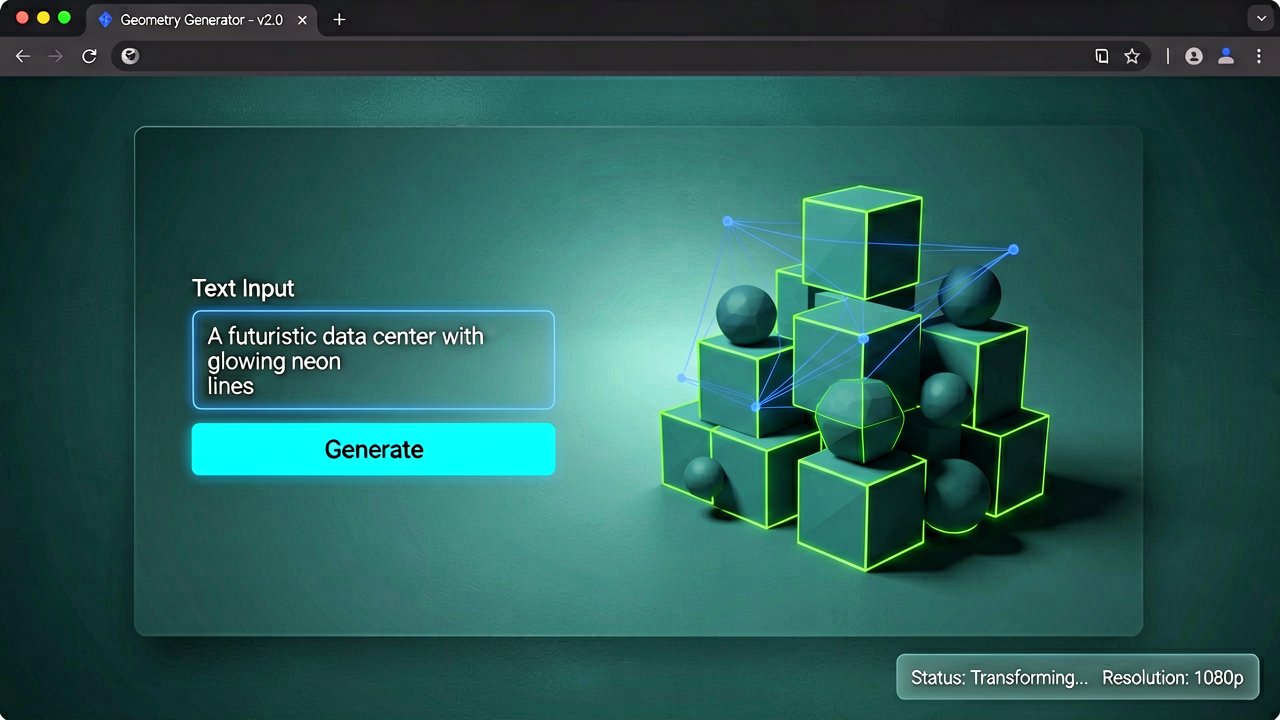
The paradigm of user-generated content (UGC) in virtual worlds is undergoing a structural shift driven by generative artificial intelligence. By introducing The Sandbox Official X-unveiled engine, The Sandbox Studio, the decentralized metaverse platform transitions from a traditional no-code asset publisher into an AI-native design environment. This browser-based suite fundamentally re-architects production pipelines, allowing solo developers to convert descriptive text prompts into live, multiplayer experiences without local hardware constraints or complex software installs, as documented by Digital Journal.
From an industry standpoint, this tactical pivot addresses a critical friction point for decentralized platforms: the high technical and temporal barriers required to populate virtual economies with engaging content. By abstracting engineering complexities through text-to-game "vibe coding" and large language model (LLM) agents, the ecosystem broadens its market appeal to include creators lacking traditional codebases. The initiative leverages existing decentralized value layers, directly integrating with the underlying Messari reported architecture where the utility token acts as the economic foundation for multi-platform distribution and creator monetization.
Furthermore, this architectural evolution reflects a broader macro trend across Web3 ecosystems attempting to counteract token volatility by enhancing raw platform utility. By granting AI token grants and fostering cross-platform portability across alternative aesthetic styles, the network seeks to stabilize and scale active user participation. Strategically shifting creation workflows from manual voxel editing to rapid AI synthesis repositions decentralized virtual spaces to compete directly with centralized incumbents like Roblox and Epic Games.
Lowering Development Boundaries for Multi-Platform Synthesis
The core innovation of the new architecture rests on its browser-first, AI-assisted rendering layer. Eliminating upfront installation costs accelerates development iteration cycles, empowering independent studios to prototype, test, and host multi-user architectures on a unified publishing pipeline. Crucially, the removal of absolute voxel constraints permits developers to render low-polygon, highly stylized, or realistic aesthetics inside the same shared universe.
Decentralized Value Layers and Sustainable Creator Economies
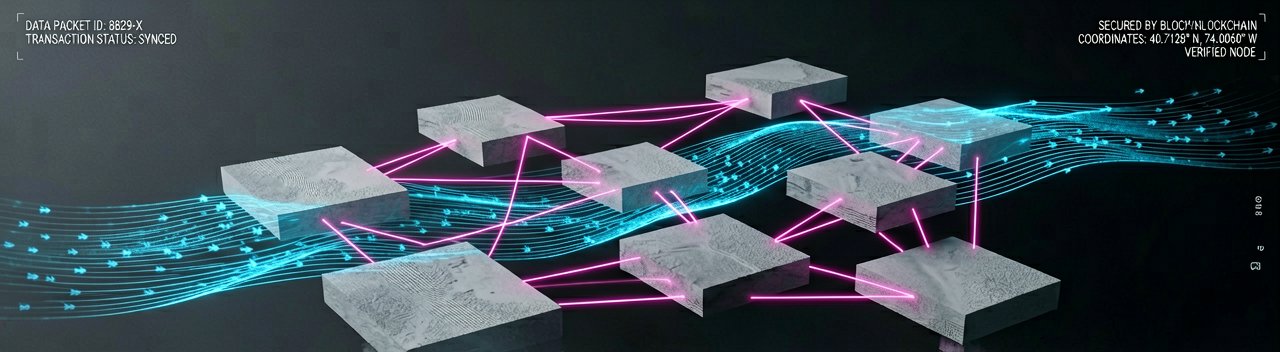
While AI tools facilitate rapid asset generation, blockchain mechanics secure permanent asset provenance and cross-experience monetization. Tokenized land parcels serve as the foundational execution layer for these AI-generated environments, ensuring that digital real estate acts as a productive, yield-generating asset class. By marrying prompt-driven asset production with decentralized ledgers, the platform establishes a verifiable ecosystem where creators retain digital ownership rights over their AI-collaborative intellectual properties.
Reading Between the Lines: The Friction Between Automation and Ownership
Reading Between the Lines: The celebration surrounding prompt-to-game engines intentionally glosses over a structural paradox at the heart of decentralized architectures. While the integration of generative tools lowers the technical barrier to entry, it risks flooding the ecosystem with derivative, low-effort assets that dilute the value of the virtual space. The foundational promise of the metaverse relies on scarcity and distinct digital property, yet generative pipelines are designed to manufacture infinite variants at zero marginal cost, threatening to oversaturate the very markets they are meant to stimulate.
This reality exposes a deep operational tension between platform operators and their core creator base. Serious developers who spent years mastering voxel modeling tools now find their specialized skill sets competing directly with automated asset generation. If anyone can spin up a fully rendered, multiplayer environment using a single text block, the premium associated with human craftsmanship plummets, forcing platforms to build complex, artificial filtering layers to distinguish genuine digital innovation from algorithmic noise.
Furthermore, relying on browser-based engines to handle complex neural network requests presents massive infrastructure challenges that decentralized networks are poorly equipped to handle. Offloading heavy AI processing loads to centralized cloud servers breaks the philosophical promise of pure decentralization, making platforms dependent on traditional web infrastructure. If the computing backbone relies on mainstream server farms, the platform functions less like an independent Web3 ecosystem and more like a traditional cloud service wrapped in a blockchain billing layer.

The long-term impact on the platform's native economy remains highly unpredictable. Transforming tokenized virtual land from digital real estate into a dynamic processing credit system might stabilize utility, but it introduces a volatile pricing layer for creators. If the computational cost of running these integrated AI modules fluctuates based on global server demands, independent studios will struggle to budget multi-year production cycles, trading the predictable overhead of traditional development software for the volatile micro-transactions of automated cloud computing.
Building a sprawling virtual empire has never been easier, provided you do not mind your masterpiece looking suspiciously similar to the ten thousand other worlds generated by the exact same paragraph of text.
Artūras Malašauskas is an AI Systems Integrator with 20+ years of production-grade web engineering experience. He has designed, shipped, and scaled enterprise Python/PHP systems for logistics, SaaS, and public-sector clients. For the past year, he has focused exclusively on AI integrations: deploying open-source LLMs, building generative media pipelines (image, audio, video), and engineering multi-agent workflows for real production environments. His standard: reproducibility, security, cost-efficient inference—no vaporware. He documents and evaluates emerging AI tooling, separating verified capabilities from marketing noise. Technical editor at: muza-ai.eu, ai-verslas.lt, ai-naujinos.lt Connect on LinkedIn
Comments