AI Now Picks Lottery Winners? Lotto Genius AI’s Blockchain ‘Magic’ Leaves Gamblers Confused
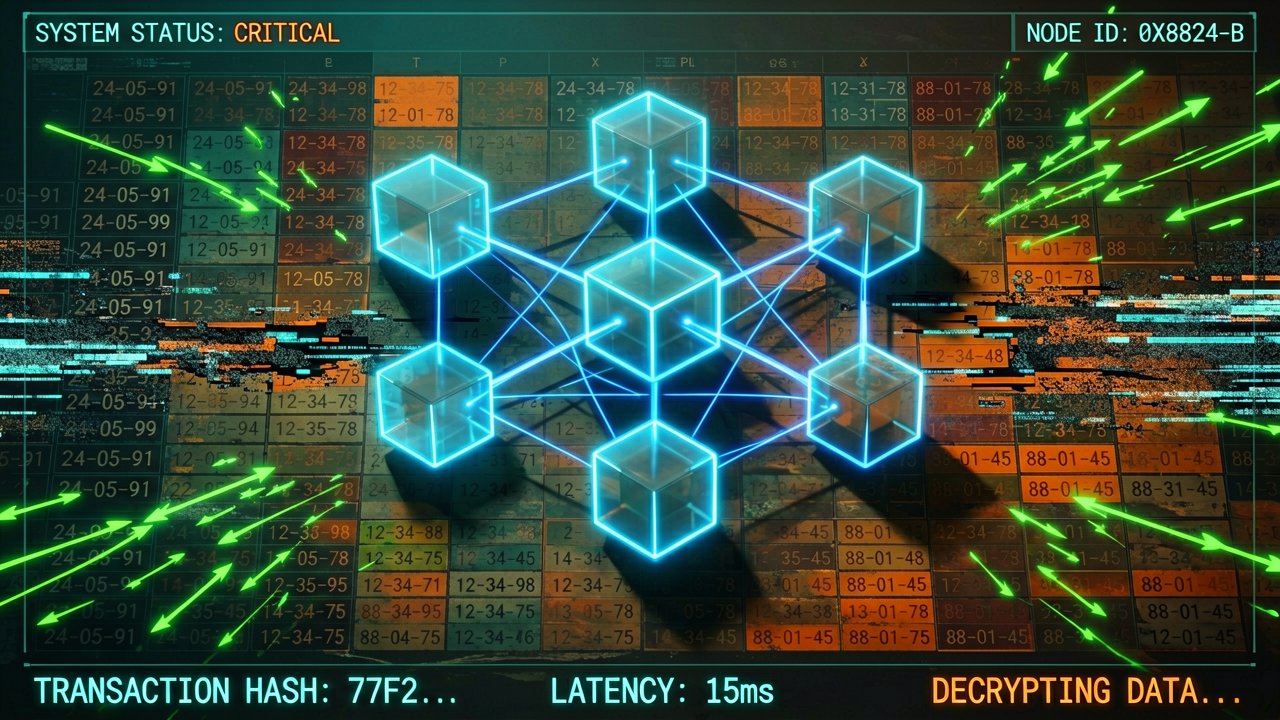
The intersection of speculative tech and old-fashioned gambling reached a fever pitch this May 2026. A wave of confusion has swept through online forums after the app Lotto Genius AI promised to revolutionize ticket picking through a mix of machine learning and decentralized ledgers. Eager gamblers swarmed the platform, expecting a tech-fueled shortcut to early retirement, only to be met with a cold dose of probability reality. What was marketed as a revolutionary system has instead left users scratching their heads over where the tech ends and the marketing begins.
Let’s be completely honest: the human brain is hardwired to see patterns where none exist, making the promise of predictive algorithms incredibly alluring. According to analysis on tech capabilities found via Skywork, these platforms function primarily as data analysis tools rather than crystal balls, tracking historical draws to replace emotional human guesswork with statistical frequencies. However, applying these algorithms to entirely random systems has fueled a fierce debate among tech journalists and mathematics experts alike.
The Illusion of Blockchain Logic
The core of the frustration lies in how blockchain technology is framed within the lottery ecosystem. While modern decentralized platforms covered by Blocsys Technologies use immutable smart contracts to ensure transparency and random draw verification, applying blockchain to predict an external, physical lottery draw is mathematically impossible. This distinction bypassed many enthusiastic players who confused trustless transparency with an increased chance of winning.
The Mathematical Reality
Despite the sophisticated branding and advanced pattern tracking, an independent report on consumer software published by Yahoo Finance reminds players that lottery games are strictly based on chance. No amount of historical tracking, statistical modeling, or cryptographic ledger architecture can alter the fundamental odds of a truly random number generation process. For now, the app serves as a slick, high-tech history tracking tool, but anyone expecting artificial intelligence to successfully hack financial fate will simply have to keep waiting.

Behind the Tech Curtain: The tension between algorithm-driven hype and raw mathematical reality is nothing new, but the emergence of specialized software has pushed this conflict into uncharted territory. Veteran tech developers note that what is happening here mirrors early algorithmic trading crazes, where consumers mistook complex data visualization for actual predictive power. While advanced machine learning excels at finding subtle patterns in massive datasets, it hits an insurmountable wall when applied to a genuinely random number generator where every single draw is an independent event.
The Psychology of the Perfect Pick
Data scientists point out that the human appetite for certainty drives the commercial success of these predictive applications. Software engineering audits reveal that these programs generally employ a mix of regression analysis and hot-and-cold number tracking, which is simply a digitized version of the pen-and-paper strategies gamblers have used for decades. The addition of machine learning simply automates this process at lightning speed, creating a sophisticated interface that gives users an illusion of control over an uncontrollable system.
Industry insiders argue that the real danger lies in how technical vocabulary is leveraged to build consumer trust. By blending complex terms like neural networks with the innate human desire for financial freedom, platforms can inadvertently encourage users to overspend on tickets under the mistaken belief that their risk has been mathematically mitigated. This phenomenon has triggered fresh scrutiny from consumer protection advocates who urge a clearer distinction between entertaining utility apps and genuine financial tools.
The Vulnerability of True Randomness
From a historical perspective, the only times lottery systems have ever been truly beaten involved physical flaws in the drawing equipment or specific design loopholes in the game rules themselves, rather than algorithmic prediction. Modern state and international lotteries utilize cryptographic randomness protocols and heavily guarded, physically isolated drawing machines specifically engineered to defeat pattern-matching software. No external application, regardless of its processing capacity, can access or influence these offline, air-gapped systems.

Ultimately, the intersection of specialized consumer software and speculative gambling highlights a growing gap in digital literacy regarding what predictive modeling can actually achieve. For the broader tech community, this wave of user confusion serves as a powerful reminder that advanced computing power cannot rewrite the laws of probability. As these applications continue to proliferate across digital storefronts, the burden of skepticism remains firmly on the user to separate genuine innovation from cleverly packaged statistics.
Reading Between the Lines: The collective fascination with algorithmic lottery systems exposes a fascinating paradox in how society views advanced computing. We are told daily that machine learning will automate logistics, cure diseases, and optimize global supply chains, so it seems entirely reasonable to the casual observer that a few lines of code could solve a simple game of chance. Yet, the foundational contradiction is glaring: if an enterprise truly possessed an algorithm capable of consistently beating the house, hiding it behind a cheap, subscription-based mobile application would be the worst financial decision in history.
The Subversion of Blockchain Accountability
The strategic deployment of decentralized ledger rhetoric in these platforms represents a masterful exercise in misdirection. Blockchain was engineered precisely to eliminate the need for trust by providing an unalterable, transparent record of what has already occurred. Co-opting this terminology to imply future predictability completely flips the technology on its head, turning a tool meant for absolute transparency into a smokescreen for speculative software. It exploits a widespread public misunderstanding, treating cryptographic security as if it were a form of digital sorcery capable of bending the laws of math.
This dynamic shifts the conversation from a matter of harmless entertainment to one of algorithmic ethics and consumer transparency. When platforms lean heavily on technical jargon, they create an asymmetrical relationship where the average user lacks the specialized knowledge to debunk the underlying claims. Regulatory frameworks traditionally designed to police overt financial fraud are notoriously slow to adapt to these gray areas, where software developers can easily hide behind fine-print disclaimers stating their product is strictly for novelty purposes.
The Future of Algorithmic Speculation
Looking ahead, this intersection of high tech and low odds is bound to intensify as accessible computing power grows. We are likely entering an era where hyper-personalized, conversational systems will not just offer numbers, but will actively coach users on how to play, adapting their messaging based on individual user behavior and past losses. The risk is that the gamification of predictive software will turn a casual weekend hobby into a highly optimized, habit-forming feedback loop driven by the false promise of a mathematical breakthrough.
The broader tech landscape must eventually reckon with how easily scientific progress can be weaponized to sell ancient illusions. As long as the public equates complex data structures with infallible truth, the market for predictive novelties will thrive. True innovation lies in utilizing data to understand and navigate reality as it is, rather than inventing sophisticated algorithms to chase ghosts in a completely random machine.
“The ultimate irony of the digital age is that we have built the most sophisticated information network in human history, only to use it to automate the process of guessing random numbers in the hope of escaping the need to work at all.”
Artūras Malašauskas is an AI Systems Integrator with 20+ years of production-grade web engineering experience. He has designed, shipped, and scaled enterprise Python/PHP systems for logistics, SaaS, and public-sector clients. For the past year, he has focused exclusively on AI integrations: deploying open-source LLMs, building generative media pipelines (image, audio, video), and engineering multi-agent workflows for real production environments. His standard: reproducibility, security, cost-efficient inference—no vaporware. He documents and evaluates emerging AI tooling, separating verified capabilities from marketing noise. Technical editor at: muza-ai.eu, ai-verslas.lt, ai-naujinos.lt Connect on LinkedIn
Comments