Beyond Fifteen Minutes: Sixteenth Unveils 360-Degree AI Ecosystem to Bulletproof Creator Careers
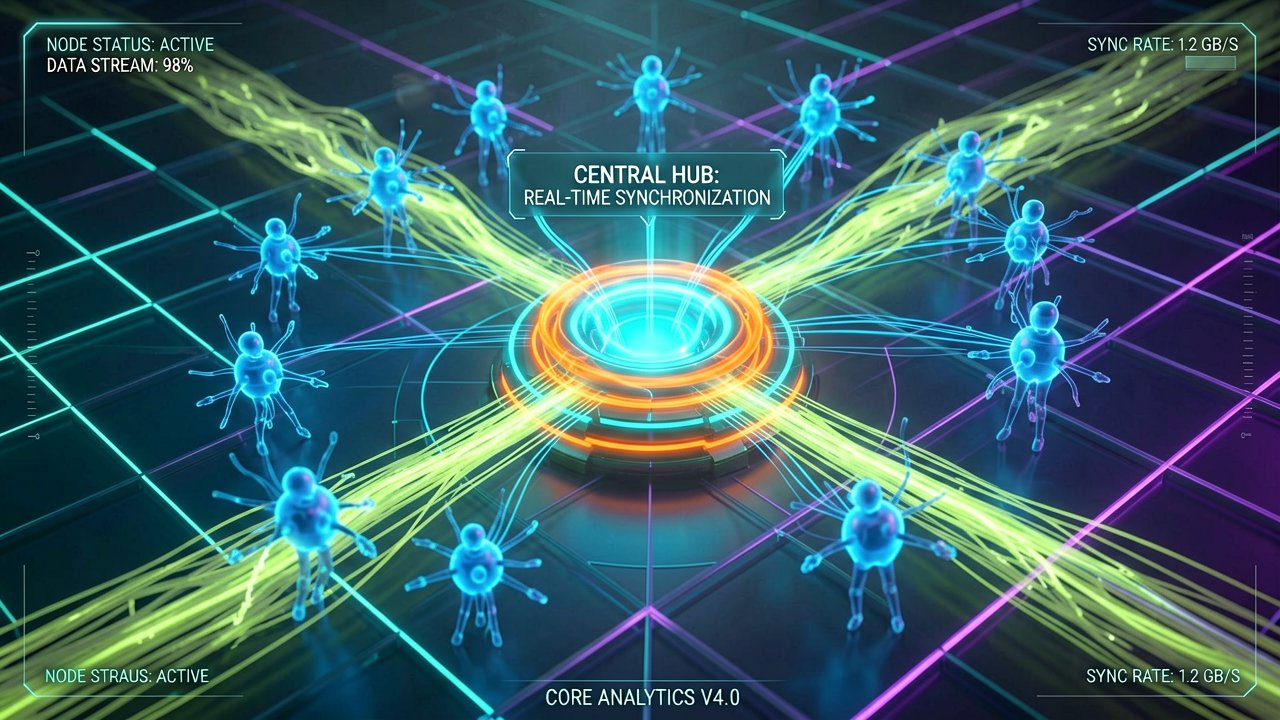
Andy Warhol famously promised everyone fifteen minutes of fame, but the modern creator economy demands a hell of a lot more permanence. Enter Sixteenth, the global talent management powerhouse operating under the massive Whalar Group umbrella. The agency has officially rolled out a cutting-edge, 360-degree AI-driven talent management platform designed to take creators out of the chaotic cycle of one-off transactional gigs and lock them into sustainable, long-term careers. By embedding sophisticated machine learning directly into the creator workflow, the firm isn't just automating paperwork; it's actively rewriting the rules of digital longevity.
This isn't a sudden pivot, but rather the culmination of a massive scaling strategy that kicked into high gear when Variety reported Whalar Group's blockbuster acquisition of the UK-born agency. Under the sharp leadership of President Victoria Bachan, the consolidated entity has weaponized its combined infrastructure to support a diverse, heavy-hitting roster of over 300 global creators. From productivity guru Ali Abdaal to the internet's favorite canine, Doug the Pug, Sixteenth's talent pool now has a unified digital cockpit that handles everything from values-aligned brand matchmaking to predictive campaign analytics in real time.
Automating the Grind, Elevating the Craft
Let's be real: the biggest threat to a creator's longevity isn't a shifting algorithm; it's burnout from administrative quicksand. The newly deployed platform attacks this exact pain point by streamlining end-to-end campaign management. Creative briefs, legal compliance, complex content strategy workflows, and payouts are consolidated into a single fluid interface. By utilizing AI agents to tackle the tedious logistical back-and-forth, talent managers can finally step away from the inbox and shift their focus back to high-level career mentorship and creative development.
Data Over Hype
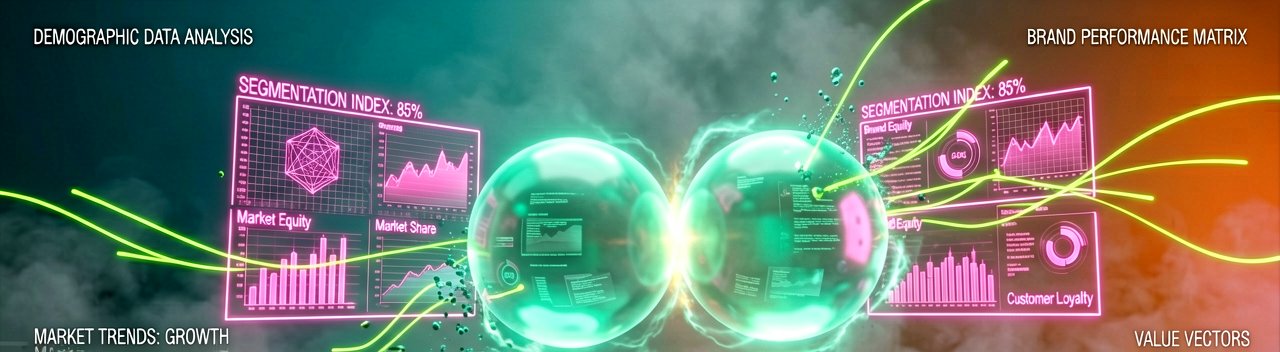
What sets this deployment apart from the standard industry buzzwords is its aggressive focus on deep audience alignment. Instead of chasing superficial vanity metrics, the platform's AI engine meticulously analyzes audience demographics and brand values to ensure partnerships are authentically rooted. Creators gain access to comprehensive development tools and full-lifecycle support via the broader Whalar ecosystem, effectively turning independent digital native channels into robust, scalable media businesses that survive well past the next viral trend cycle.
The Hidden Engine of the Creator Economy
What Most Reports Miss: The rollout of this platform isn't just a technological upgrade; it represents a fundamental shift in how the industry values creative output. For years, the influencer space operated like the Wild West, where creators were treated as transient billboards rather than legitimate media enterprises. By treating these digital native channels as institutional assets, Sixteenth is forcing a legacy entertainment industry to re-evaluate the equity of online personalities. It shifts the power dynamic from reactive pitch-hunting to proactive, data-backed enterprise management.
Industry insiders have long whispered about the crippling fragmentation that plagues independent talent. A single creator often juggles an chaotic stack of disconnected tools—one for invoicing, another for audience analytics, and a messy web of email threads for brand negotiations. The operational friction is immense. By consolidating these disparate workflows into an AI-orchestrated cockpit, the agency is essentially providing independent artists with the backend infrastructure of a traditional Hollywood studio, democratizing access to institutional-grade business intelligence.
This technical synthesis allows talent managers to transition from reactive administrators to genuine career architects. When machine learning handles the tedious compliance checks and cross-platform metric tracking, humans can focus on the nuanced, emotional labor of creative mentorship. Managers are finally free to sit down with talent to discuss five-year roadmaps, intellectual property expansion, and mental health boundaries—the exact elements required to prevent the premature burnout that derails so many promising digital careers.
Furthermore, the data-driven matchmaking engine addresses a growing anxiety among brands who are tired of throwing money at unquantifiable influencer campaigns. By mapping deep audience sentiment and historic conversion data against a brand’s core values, the platform replaces gut-feeling decisions with rigorous, predictive modeling. This level of transparency protects creators from taking misaligned sponsorships that alienate their core audience, ensuring that every brand partnership feels like an organic extension of their personal channel rather than a jarring commercial interruption.
Ultimately, this deployment signals the maturity phase of the creator economy. The narrative is no longer about how many followers an individual can amass over a weekend, but how effectively they can leverage that attention into a multi-decade career. As the Whalar Group infrastructure continues to absorb these advanced capabilities, the benchmark for what constitutes elite talent management has officially shifted, setting a demanding new standard for agencies worldwide.
The Paradox of Automated Authenticity
Reading Between the Lines: The industry’s uncritical rush toward AI-driven talent management introduces a glaring philosophical contradiction. At its core, the creator economy thrives on raw, unvarnished human connection—the distinct sense that an audience is engaging with a real person, flaws and all. By inserting a sophisticated layer of machine learning agents to curate, optimize, and streamline these interactions, agencies risk sanitizing the very erratic authenticity that made these creators valuable in the first place. There is a fine line between a well-oiled media business and a clinical, algorithmically generated content factory.
Moreover, the promise of data-driven brand safety frequently clashes with the unpredictable nature of internet culture. While a predictive model can analyze historical metrics to suggest a pristine, values-aligned corporate partnership, it cannot anticipate the volatile shifts of online discourse. Relying heavily on automated matchmaking software risks creating an echo chamber of incredibly safe, entirely boring brand campaigns. The most iconic, culture-defining internet moments usually happen when creators take messy creative risks, not when they follow an optimization playbook designed by a risk-averse algorithm.
We must also look skeptically at the claim that automation solves creator burnout. While offloading administrative quicksand undoubtedly frees up a creator's schedule, nature abhors a vacuum, and the digital economy abhors idle time. Historically, when technological tools make content production more efficient, the market simply demands a higher volume of output to maintain the same level of algorithmic visibility. Instead of enjoying newfound creative breathing room, creators may find themselves trapped on an even faster, automated treadmill, pressured to produce more channels, more formats, and more monetization streams just because the infrastructure allows it.
Ultimately, the consolidation of over 300 global creators under a singular, tech-enabled agency umbrella raises serious questions about individualized representation. When a platform scales to manage hundreds of personalities through unified digital workflows, the relationship inevitably shifts from bespoke advocacy to standardized system processing. For elite talent, the system will likely work wonders, but mid-tier creators must wonder whether an AI agent can truly fight for their unique creative vision in a boardroom as fiercely as a traditional, fiercely protective human agent would.
"We've successfully automated the tedious logistics of digital fame, meaning creators can now spend 100% of their time worrying about the algorithm instead of just 50%. Progress, it seems, is being handed a highly efficient digital shovel to dig an even deeper creative sandbox."
Artūras Malašauskas is an AI Systems Integrator with 20+ years of production-grade web engineering experience. He has designed, shipped, and scaled enterprise Python/PHP systems for logistics, SaaS, and public-sector clients. For the past year, he has focused exclusively on AI integrations: deploying open-source LLMs, building generative media pipelines (image, audio, video), and engineering multi-agent workflows for real production environments. His standard: reproducibility, security, cost-efficient inference—no vaporware. He documents and evaluates emerging AI tooling, separating verified capabilities from marketing noise. Technical editor at: muza-ai.eu, ai-verslas.lt, ai-naujinos.lt Connect on LinkedIn
Comments