Huawei Watch Fit 5 Drops in the Philippines: A Sleek Upgrade That Won’t Break the Bank
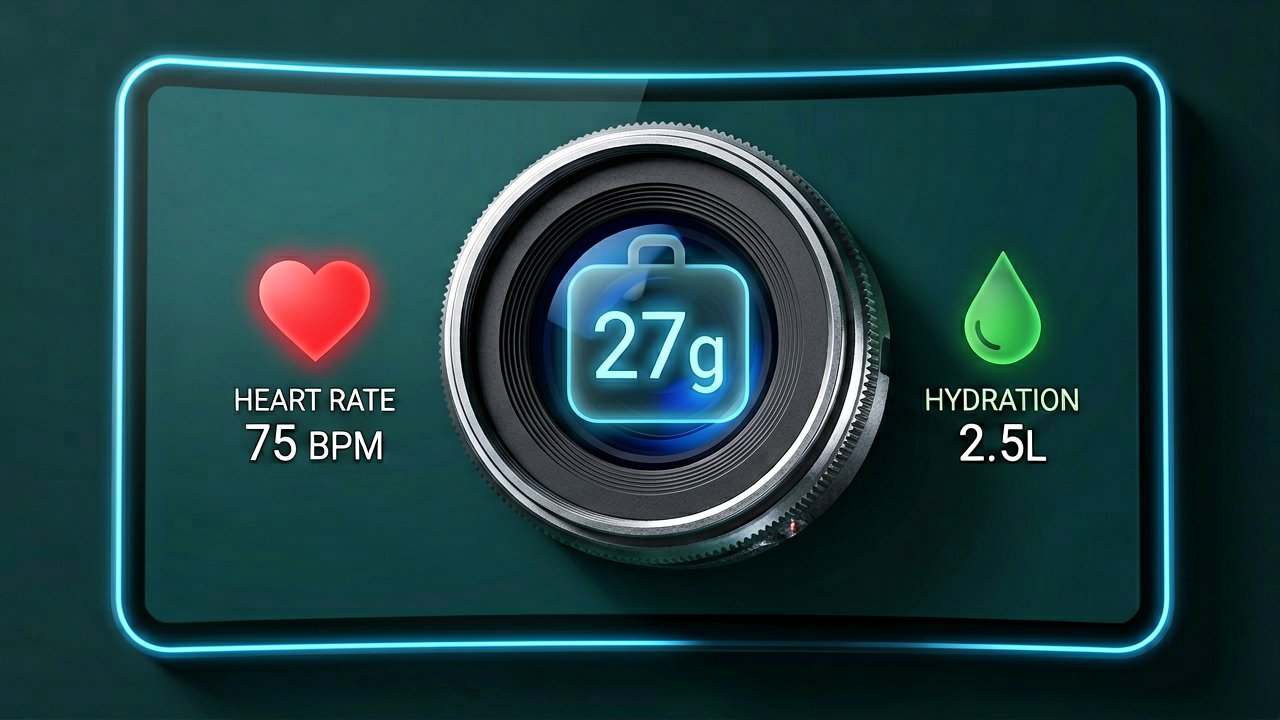
Huawei is shaking up the mid-range wearable market yet again. On May 22, 2026, the tech giant officially brought its sleek new HUAWEI Watch Fit 5 to the Philippines, sporting a very competitive price tag of PHP 8,999. It hits that sweet spot for anyone who wants high-end health metrics and a sharp display without paying premium flagship prices. By launching this latest iteration alongside a more robust Pro variant, the brand targets everyday fitness enthusiasts looking for a highly capable, lightweight daily companion.
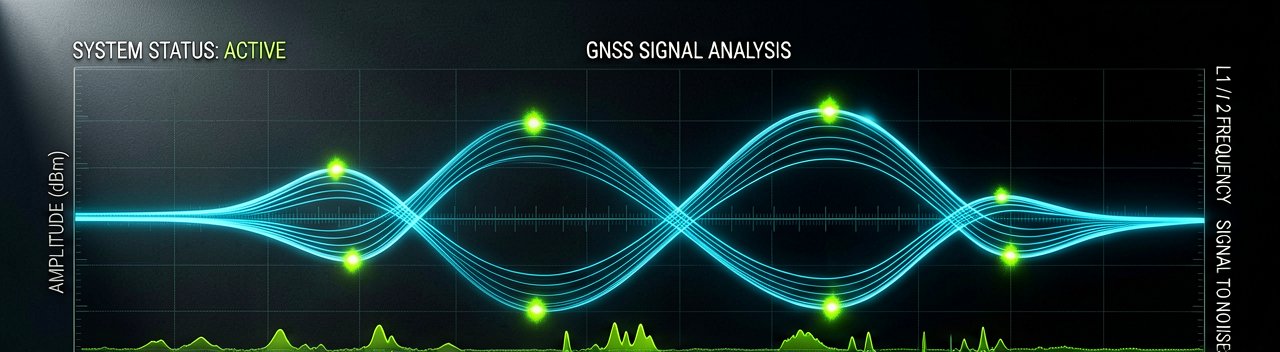
The device builds heavily on the successes of its predecessors, bringing a refined aesthetic to the wrist. It packs a vibrant 1.82-inch AMOLED display and drops the weight down to a mere 27 grams without the strap. For sports enthusiasts, the device offers a dual-band five-system GNSS positioning array, ensuring that your outdoor running or cycling routes are tracked with pinpoint accuracy. The battery is another massive highlight, stretching up to 10 days under light usage scenarios, which comfortably beats out most heavy-hitting flagships on the market today.
Advanced Health Tracking and Premium Ecosystem Integration
On the software front, the wearable features advanced health management tools that look deeply into physical and mental wellness. Users gain access to a dedicated emotional wellbeing assistant alongside a pulse wave arrhythmia analysis system. Additionally, those who jump on the early launch deals through channels like the HUAWEI Store Philippines can take advantage of bundled freebies and promotional vouchers designed to lower the financial barrier even further. Huawei has made sure its newest tracker plays nicely with both iOS and Android ecosystems, locking in broad compatibility right out of the gate.
Beneath the Spec Sheet: How Huawei Is Redefining the Mid-Range Wearable Strategy
What Most Reports Miss: The launch of the Watch Fit 5 in the Philippines represents a calculated pivot in how tech giants approach the sub-PHP 10,000 price segment. Traditionally, this price bracket forced consumers to choose between rudimentary fitness bands with notification mirrors or older, discounted flagships with fading battery health. By introducing premium features like dual-band five-system GNSS positioning into a lightweight form factor, Huawei is effectively shifting consumer expectations away from compromise and toward specialized capability.
This aggressive positioning directly pressures regional mainstays like Xiaomi and Samsung, who have long dominated the mid-tier market with their respective wearable lineups. Local retail analysts note that the Philippine market possesses a unique appetite for lifestyle tech that serves dual purposes as both a fashion accessory and a reliable workout tool. The introduction of refined materials and a diverse color palette targets the fashion-forward urban demographic, a crowd that has historically bypassed chunky, industrial-looking fitness trackers.
From an engineering perspective, balancing the device's 27-gram chassis with a battery capable of surviving up to 10 days reveals a sophisticated approach to power management. Industry insiders point out that optimizing high-brightness AMOLED displays alongside continuous heart rate monitoring requires severe background throttling of non-essential processes. This software optimization allows the device to offer premium performance without the physical bulk typically required by larger battery cells, bridging the gap between utilitarian sport watches and daily lifestyle accessories.
The addition of an emotional wellbeing assistant and pulse wave arrhythmia analysis also highlights a broader shift toward proactive healthcare in consumer electronics. Tech journalists monitoring the Southeast Asian market emphasize that post-pandemic consumers are significantly more invested in holistic wellness metrics than they were five years ago. By embedding clinical-grade tracking algorithms into an affordable lifestyle device, the brand democratizes sophisticated health data that was previously locked behind steep flagship pricing structures.
Ultimately, this release cements a broader ecosystem play that transcends simple hardware sales. By ensuring deep, seamless compatibility with both iOS and Android platforms, the manufacturer removes the traditional ecosystem lock-in barriers that often stifle wearable adoption. This open-armed compatibility strategy allows the brand to capture market share from smartphone users who find themselves alienated by the restrictive, platform-exclusive accessories offered by competing smartphone manufacturers.

The Fine Print: Navigating the Compromises of Affordable Premiumism
Reading Between the Lines: The allure of an PHP 8,999 device delivering flagship-level health tracking inevitably invites a healthy dose of skepticism regarding what had to be left on the cutting room floor. While a 10-day battery life looks phenomenal on promotional billboards, those real-world numbers inevitably crater the moment you activate the always-on display and dual-band GPS tracking. For the marathon runner or the power user who demands continuous, high-fidelity location mapping, the actual endurance of this lightweight tracker will likely look much closer to a standard workweek than the double-digit longevity promises.
There is also an inherent tension in the device’s software ecosystem that prospective buyers must navigate. Huawei’s promise of cross-platform harmony with iOS and Android is technically true, but it glosses over the friction of the user experience. Because the companion app is not natively available on the Google Play Store due to ongoing regulatory restrictions, Android users are forced to side-load the application via QR codes or alternative app galleries. It is a clunky, multi-step initiation process that contrasts sharply with the seamless, premium lifestyle image the hardware tries so hard to project.
Furthermore, the introduction of high-concept features like an emotional wellbeing assistant raises questions about utility versus marketing novelty. Translating biometric data into emotional states is notoriously imprecise, often reducing what should be a serious health metric into a series of charming but ultimately superficial smartphone notifications. In pushing these wellness features, the wearable risks alienating the core fitness crowd who would have preferred to see that engineering budget spent on more tangible upgrades, such as premium sapphire glass or more durable aluminum alloys for the inner casing.
This release also underscores a broader, somewhat ironic contradiction in the wearable market: as devices become more independent with advanced GPS and offline tracking, they remain deeply tethered to the smartphone for any meaningful data analysis or notification response. The Watch Fit 5 may pack the processing power to map your runs independently, but without a dedicated cellular connection, it remains a silent piece of wrist jewelry the moment you step out of Bluetooth range from your primary device. For a gadget pitched as a liberating fitness companion, the umbilical cord to your phone remains as short as ever.
It turns out you can finally buy a smartwatch that tracks your stress, charts your pulse, and survives a week on a single charge for the price of a decent pair of running shoes—assuming, of course, you don't mind navigating a digital scavenger hunt just to install the companion app on your phone.
Artūras Malašauskas is an AI Systems Integrator with 20+ years of production-grade web engineering experience. He has designed, shipped, and scaled enterprise Python/PHP systems for logistics, SaaS, and public-sector clients. For the past year, he has focused exclusively on AI integrations: deploying open-source LLMs, building generative media pipelines (image, audio, video), and engineering multi-agent workflows for real production environments. His standard: reproducibility, security, cost-efficient inference—no vaporware. He documents and evaluates emerging AI tooling, separating verified capabilities from marketing noise. Technical editor at: muza-ai.eu, ai-verslas.lt, ai-naujinos.lt Connect on LinkedIn
Comments