The Price of Precision: Why the iPhone 18 Pro Max Camera Overhaul is Worth the Premium

Apple is getting ready to shake up its smartphone playbook this autumn. Industry insiders and supply chain trackers confirm that the tech giant is splitting its typical hardware rollout, prioritizing its most expensive titanium flagships ahead of everything else. According to detailed breakdowns hosted by MacRumors, the highly anticipated iPhone 18 Pro Max is locked in for a classic September 2026 launch alongside its smaller Pro sibling, while the entry-level standard models are being benched until the spring of 2027.
This staggered release leaves the premium tier to carry the holiday season entirely on its own back. To ensure it has the muscle to do so, Cupertino is loading the device with genuinely cinematic upgrades that might finally blur the line between mobile photography and professional glass. However, early financial projections suggest that all this cutting-edge glass and silicon will come with a catch that hits consumers right in the wallet.
The Variables of Light and Glass
The crown jewel of the upcoming refresh is a major engineering pivot for the primary camera assembly. For generations, mobile shooters have wrestled with fixed-aperture lenses that rely heavily on digital trickery to separate a subject from the background. Industry analyst notes published by 9to5Mac reveal that the 48-megapixel main sensor on the new Pro Max will adopt a physically variable aperture. This means the lens will mechanically open and close to regulate light, giving photographers native, physical control over depth of field without needing the software-based estimation that often ruins portrait edges.
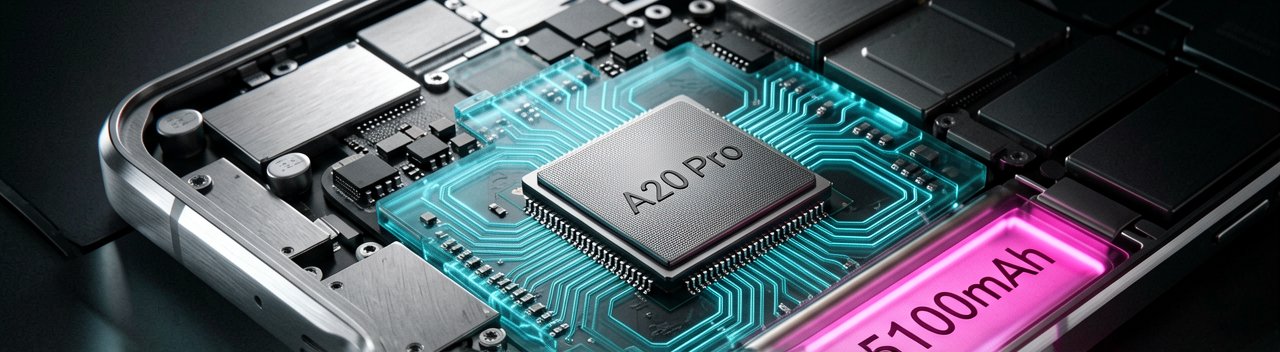
Pairing this with a wider aperture across the telephoto module means low-light zoom performance should take a dramatic leap forward. Rumors out of the Asian supply chain also point to a denser, slightly thicker chassis. That extra bulk is not just for show; it is reportedly required to house a massive new battery expected to cross the 5,100 mAh threshold to keep that advanced camera system humming all day.
The Premium Tax and Market Reality
Naturally, packing a device with mechanical camera parts and a next-generation 2-nanometer A20 Pro processor costs serious capital. Wall Street analysts are already warning consumers to prepare for a noticeable price adjustment when pre-orders go live. While equity researchers at firms like GF Securities point out that Apple is aggressively negotiating component costs with memory suppliers to keep the base 256GB storage tier as close to the current $1,199 mark as possible, the reality for power users looks a bit more expensive.
As global manufacturing complexities climb, seasoned market watchers expect the higher capacity configurations to face a steeper premium than usual. Compounding this price pressure is the fact that the vanilla iPhone 18 will not be on shelves to offer a cheaper alternative. If you want a fresh piece of Apple silicon this September, stepping up to the premium tier is essentially your only path forward.
Behind the Scenes of Cupertino's Calculated Risk
What Most Reports Miss: This isn't just a simple hardware upgrade; it is a fundamental shift in Apple's architectural philosophy. Moving to a variable aperture mechanism marks the first time Cupertino is introducing complex, moving mechanical parts into the main camera housing since the optical image stabilization arrays of the mid-2010s. For years, the engineering team favored computational photography over mechanical complexity because software doesn't wear out or break when a phone hits the pavement. By moving to physical blades that open and close, Apple is acknowledging that algorithms have officially hit a ceiling when it comes to replicating the organic falloff of a true camera lens.
This structural change forces a completely different layout under the hood. To make room for the miniature motor assemblies required to drive the aperture blades, engineers had to shrink the logic board and stack it even tighter than in previous generations. This compression creates massive thermal challenges, especially when the upcoming A20 Pro chip is running intensive artificial intelligence models locally on the device. The rumored thicker chassis and heavier titanium frame are direct responses to this engineering puzzle, serving a dual purpose as both a housing for the larger battery and a more robust heat sink to pull warmth away from the delicate camera sensors.
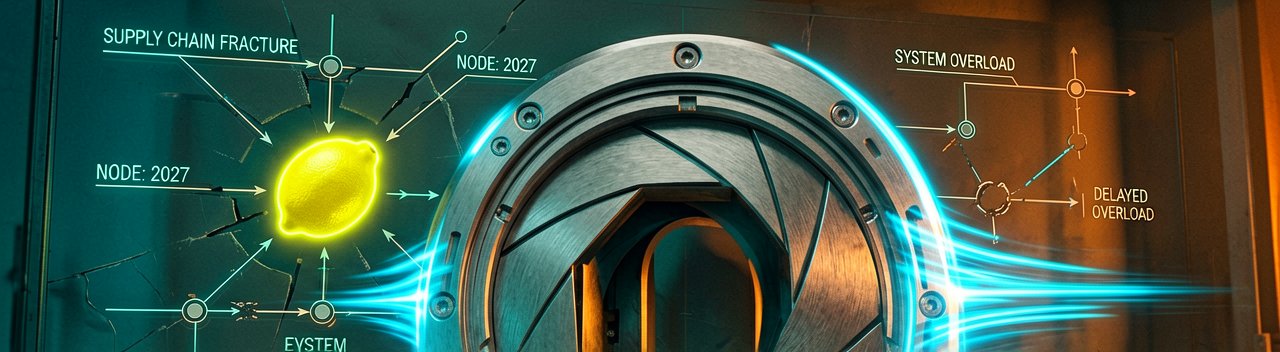
From a market perspective, delaying the entry-level iPhone 18 models until spring is a masterclass in supply chain manipulation and consumer psychology. Historically, the standard models accounted for the bulk of volume shipments, but they offered significantly lower profit margins than the Pro lineup. By launching the Pro Max exclusively during the high-stakes holiday shopping window, Apple is forcing affluent early adopters and holiday shoppers to buy into their highest-margin product tier. It is a bold play that leverages brand loyalty to maximize average selling prices at a time when global smartphone upgrade cycles are lengthening.
Component suppliers in Taiwan and South Korea are feeling the pressure of this new strategy. For these manufacturers, a staggered release means production lines must shift from a massive, short-lived summer spike to a sustained, year-round manufacturing cadence. Companies responsible for the periscope lenses and the new variable aperture assemblies are reportedly adjusting their yield expectations, knowing that any defect in these hyper-precise mechanical parts could stall Apple's entire autumn rollout. The stakes are incredibly high for the supply chain, as Cupertino has historically penalized suppliers severely for failing to meet strict quality and volume benchmarks during launch month.
Ultimately, the iPhone 18 Pro Max represents a crossroads for the smartphone industry as a whole. As mobile devices look more alike and software features become easily replicated by competitors, physical engineering becomes the ultimate differentiator. Apple is betting billions that consumers will willingly pay a premium for tangible, mechanical innovation over purely iterative software updates. Whether the broader market embraces this higher price tier or decides to wait for the more affordable spring models will dictate the trajectory of mobile hardware design for the rest of the decade.
Reading Between the Lines: The Illusion of Innovation
The Strategic Paradox: Apple’s pivot to a variable aperture lens is being heralded as a revolutionary leap for mobile creators, yet it conveniently glosses over a glaring historical irony. Rival Android manufacturers experimented with mechanical apertures nearly a decade ago, only to abandon them when computational photography proved efficient enough for the average user. By reintroducing this mechanical complexity now, Cupertino is effectively admitting that its heavily marketed silicon and machine learning algorithms can no longer keep pace with consumer expectations for image quality. It is a tacit confession that physics cannot be entirely faked by code, forcing Apple to adopt the very hardware solutions it once deemed obsolete.
This hardware regression exposes a deeper tension within Apple's environmental and repairability narratives. For years, the company has championed a future of self-service repair and reduced carbon footprints, yet it continues to design tighter, more labyrinthine internal layouts that make independent servicing nearly impossible. A variable aperture mechanism introduces delicate moving parts that are inherently susceptible to kinetic shock and microscopic dust ingress. When these miniature blades inevitably jam or fail after a hard drop, consumers will not be looking at a simple software patch, but rather a costly, full-module replacement at an Apple Store, further locking users into the brand's proprietary service ecosystem.
The financial justification for the projected price hike also warrants a healthy dose of skepticism. While Wall Street pointing to the rising costs of TSMC’s cutting-edge 2-nanometer fabrication process makes for a clean corporate narrative, it serves as a convenient smokescreen for maintaining bloated profit margins. Apple’s supply chain possesses unmatched purchasing power, routinely squeezing component suppliers to absorb macroeconomic inflation. Forcing a higher price tag onto the consumer under the guise of "premium innovation" is less about covering manufacturing deficits and more about sustaining Wall Street's growth expectations in a saturated global market that has grown weary of incremental annual updates.
Furthermore, the decision to delay the standard iPhone 18 until the spring of 2027 carries a massive hidden risk for consumer trust. By treating the entry-level model as an afterthought, Apple risks alienating the massive, budget-conscious segment of its user base that relies on predictable autumn upgrade cycles. If the spring launch fails to capture the zeitgeist, Apple may find that it hasn't successfully funneled buyers into the premium tier, but has instead inadvertently driven them to look at competitors who offer premium features at mid-range prices without making their customers wait half a year.
"We are rapidly approaching an era where buying a top-tier smartphone requires a financing plan akin to a used vehicle purchase, all so we can use a cinematic mechanical lens to photograph our morning toast in slightly better low-light fidelity."
Artūras Malašauskas is an AI Systems Integrator with 20+ years of production-grade web engineering experience. He has designed, shipped, and scaled enterprise Python/PHP systems for logistics, SaaS, and public-sector clients. For the past year, he has focused exclusively on AI integrations: deploying open-source LLMs, building generative media pipelines (image, audio, video), and engineering multi-agent workflows for real production environments. His standard: reproducibility, security, cost-efficient inference—no vaporware. He documents and evaluates emerging AI tooling, separating verified capabilities from marketing noise. Technical editor at: muza-ai.eu, ai-verslas.lt, ai-naujinos.lt Connect on LinkedIn
Comments