The Next Era of Spaceflight Begins: How to Watch SpaceX Launch the Starship V3 Megarocket
SpaceX is stepping up to the plate with its most ambitious test flight yet. After a seven-month hiatus from flight testing, Elon Musk's aerospace firm is ready to debut its highly upgraded Starship Version 3 (V3) megarocket on May 21, 2026. This mission, officially dubbed Flight 12, marks the first time the world's largest rocket will fly in its newly optimized configuration, launching from the newly built Pad 2 at the Starbase facility in South Texas. The stakes are incredibly high, not just for engineering pride, but because this massive 407-foot-tall vehicle represents the foundational baseline for NASA's upcoming Artemis moon-landing missions.
If you want to witness history, you don't have to travel to Boca Chica to see it happen. SpaceX will provide comprehensive, real-time coverage directly through its official platforms. According to details shared on the official SpaceX launch portal, the live webcast is scheduled to begin roughly 45 minutes before the launch window opens, offering viewers expert commentary, spectacular multi-angle camera feeds, and live telemetry data.
Launch Window and Streaming Schedule
The 90-minute launch window officially opens on Thursday, May 21, at 6:30 p.m. EDT (5:30 p.m. local Texas time / 2230 GMT). To catch the pre-flight preparations, fuel loading updates, and initial commentary, you should tune into the official stream starting at 5:45 p.m. EDT. Because rocket launch schedules are notoriously dynamic, checking the live stream early is highly recommended since timelines can shift on a dime based on real-time weather conditions and last-minute technical checks.
Where to Watch Online
While SpaceX used to rely heavily on third-party video platforms, its broadcast ecosystem has evolved. Audiences looking for the cleanest feed should head to the official SpaceX account on X (formerly Twitter), where the company actively hosts its primary high-definition broadcast. For those who prefer a living room setup, the stream will also be accessible via the X TV application. Additionally, major spaceflight news sites, including a dedicated tracking page hosted by Space.com, will offer synchronized live streams paired with step-by-step technical analysis as the countdown ticks away.
What Makes the V3 Design Different
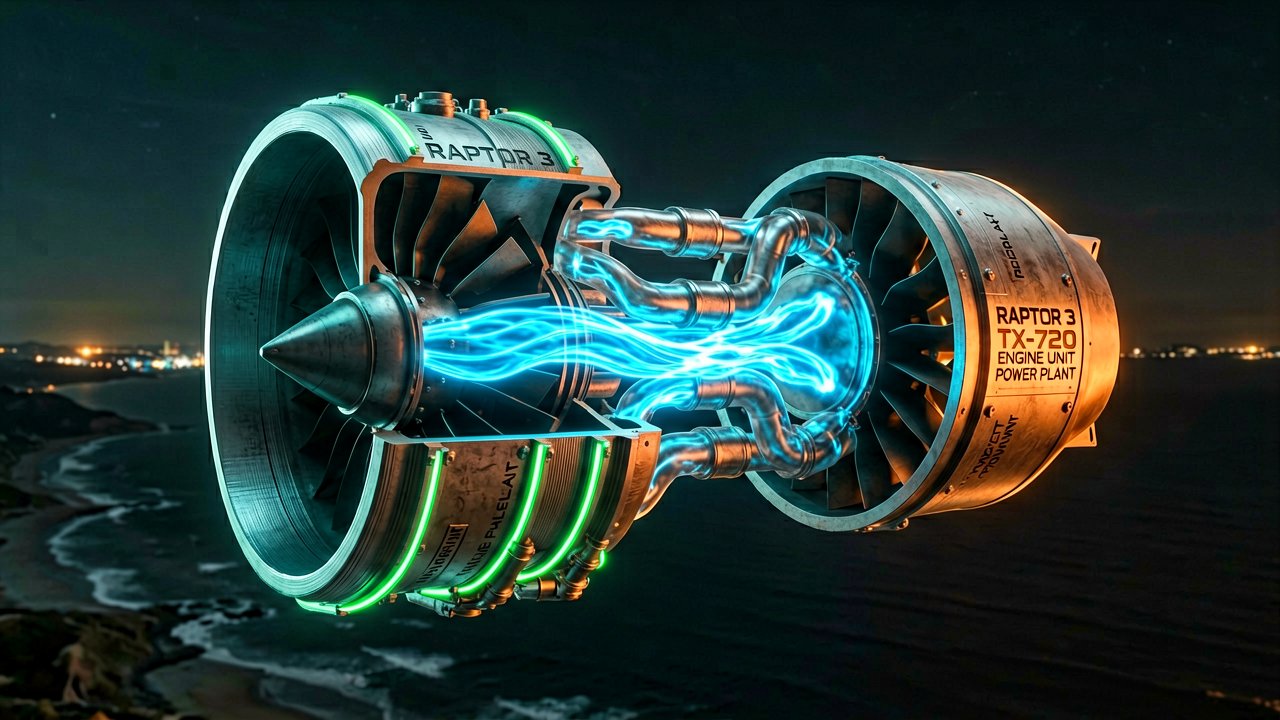
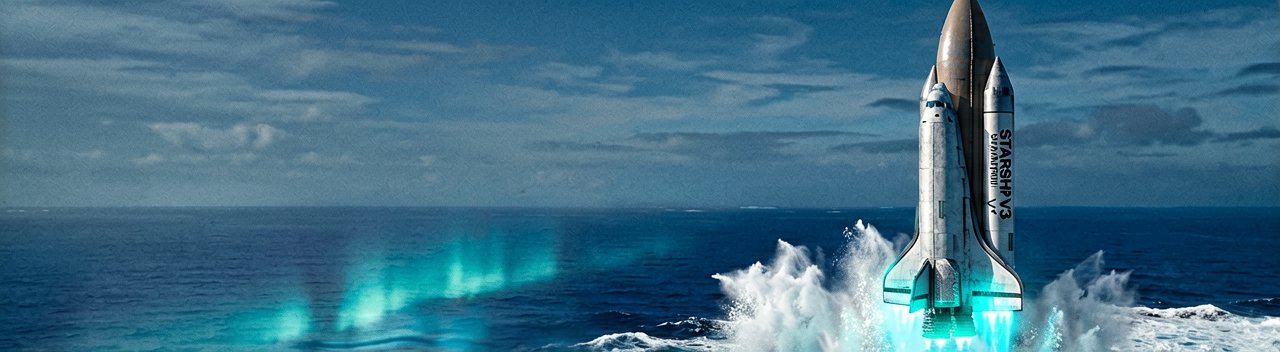
This is not just another routine test flight; Flight 12 introduces a radical structural and propulsion overhaul. The Starship V3 features the new, lighter, and more powerful Raptor 3 engines, replacing the older Raptor 2 models that powered previous flights. Beyond the raw engine performance, the V3 ship is equipped with updated propellant management systems, modified aerodynamic flaps, and specialized docking hardware designed for future in-orbit refueling. For this particular suborbital profile, the Super Heavy booster is aiming for a soft, controlled splashdown in the Gulf of Mexico about seven minutes after liftoff, bypassing the dramatic launch-tower catch attempt seen in earlier iterations to protect the newly built Pad 2 infrastructure. Meanwhile, the upper Starship stage will deploy 22 dummy Starlink satellites before executing a harrowing reentry and eventual splashdown in the Indian Ocean.
Behind the Technical Breakthroughs: The Engineering Gamble of V3
What most mainstream media reports miss is that the jump to the Starship Version 3 architecture is a calculated gamble that rewrites the playbook on rapid rocket development. Typically, aerospace giants lock in a vehicle design for years to maximize safety margins and secure regulatory approvals. SpaceX, true to its disruptive DNA, chose to phase out the highly successful V2 hardware while it was still technically in its prime. This aggressive pivot reflects Elon Musk's core engineering philosophy: if a design isn't constantly evolving, it is already obsolete. By pushing Flight 12 directly into the V3 era, the company is skipping incremental milestones to aggressively tackle the sheer mass and volume constraints that have long bottlenecked deep-space exploration.
The heart of this new machine lies in the unglamorous, highly secretive internal overhaul of the Raptor 3 engine. Industry insiders note that SpaceX managed to eliminate dozens of complex external plumbing lines by embedding propellant channels directly into the engine's 3D-printed body. This radical reduction in parts not only drops the overall dry weight of the vehicle significantly, but it also minimizes the number of potential leak points—the historical bane of cryogenic rocket engines. For NASA observers monitoring from the sidelines, this architectural shift is a massive relief. The space agency desperately needs a reliable, mass-produced booster to meet the unforgiving launch windows of the Artemis program, where a single lunar landing will require a rapid succession of over a dozen propellant-refueling flights.
Furthermore, the physical changes to the ship's exterior highlight a shift from merely surviving atmospheric reentry to optimizing payload deployment. The forward aerodynamic flaps on the V3 upper stage have been shifted further leeward and shrunk down in size. This seemingly minor tweak actually protects the vulnerable hinge mechanisms from the plasma blowtorch experienced during high-velocity reentry. It also happens to maximize the usable volume inside the nosecone. For the commercial satellite market, this design shift signals that Starship is fast approaching its intended role as an unbeatable heavy-lift freighter, capable of deploying massive constellations in a single launch rather than dozens of smaller missions.
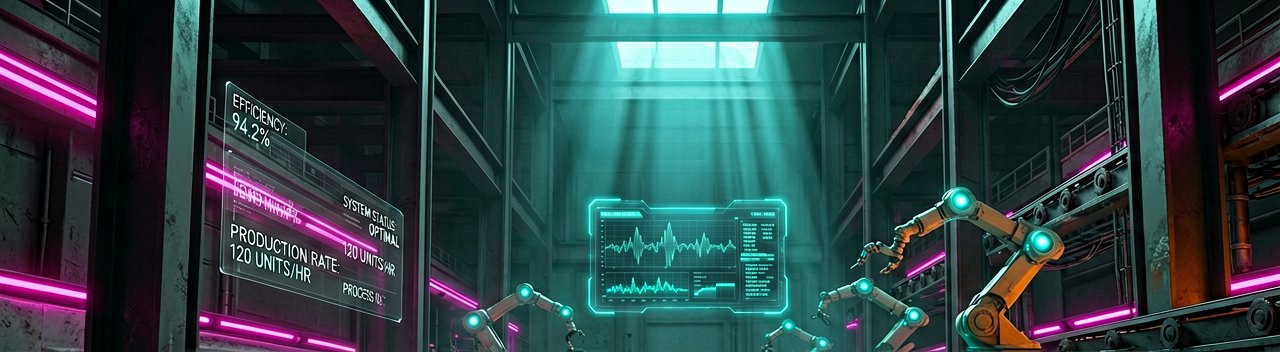
Ultimately, Flight 12 is less about achieving a perfect textbook flight and more about validating a highly optimized manufacturing line. The Starbase facility in Boca Chica has quietly transformed from a chaotic R&D shipyard into a highly structured, automated mega-factory capable of churning out these giant steel hulls at an unprecedented pace. Today's launch is a direct stress-test of that factory's output. If the V3 architecture proves its worth in the upper atmosphere, the economics of space access will shift permanently, leaving traditional, non-reusable launch providers scrambling to survive in a market redefined by sheer volume and radical cost reduction.
Reading Between the Lines: The Illusion of a Routine Test Flight
While the broader tech industry treats Flight 12 as a celebratory milestone, a colder analytical look reveals a narrative fraught with logistical tension and regulatory tightropes. The decision to forgo a dramatic launch-tower booster catch for this specific flight is a glaring contradiction to SpaceX's usual bravado. Publicly, the company frames the Gulf of Mexico splashdown as a conservative measure to safeguard the shiny new Pad 2 infrastructure. Privately, however, it underscores a lingering anxiety over vehicle reliability and structural integrity under the raw, unbridled power of the new Raptor 3 engines. It seems even an organization built on breaking things is reluctant to risk a catastrophic pad anomaly that could stall the entire program for another year.
There is also a palpable disconnect between SpaceX's rapid-fire manufacturing timeline and NASA’s increasingly fragile lunar schedule. NASA officials are publicly supportive, but behind closed doors, the mathematical reality of the Artemis landing profile is causing sleepless nights. The V3 rocket is bigger and more capable, yet it inherently demands an unprecedented cadence of orbital refueling flights—upward of fifteen consecutive launches just to fill a single lunar lander's tanks. Testing a fancy new engine architecture on Flight 12 is impressive, but it does little to address the unproven, highly complex physics of zero-gravity cryogenic fluid transfer, which remains the true bottleneck for putting boots back on the moon.
Furthermore, the environmental and bureaucratic battlefield surrounding Starbase cannot be ignored. Every upgrade to the Starship platform, including the massive structural shifts of the V3 design, forces the Federal Aviation Administration to re-evaluate its environmental impact assessments. While SpaceX moves at the speed of software development, the federal government moves at the speed of paperwork. This launch serves as a high-stakes poker game with regulators; SpaceX is betting that presenting a fully realized, superior rocket design will force the FAA's hand to expedite future flight approvals, rather than letting the vehicle sit idle in a Texas hangar.
Looking ahead, the success of Flight 12 will likely spark a major shakeup in the global launch market, but perhaps not in the way spectators anticipate. If V3 succeeds, it will expose the brutal reality that legacy aerospace competitors are no longer just a few steps behind—they are playing an entirely different sport. Yet, the pressure now shifts squarely onto Elon Musk’s shoulders to prove that Starship can transition from a spectacular, taxpayer-subsidized R&D project into a boringly reliable, commercially viable freight liner that operates with the predictability of a transatlantic cargo ship.
"Building the world's largest, most advanced rocket is an undeniable triumph of human engineering, right up until you realize you now have to build twenty more of them just to get a single payload to the moon and back without running out of gas."
Artūras Malašauskas is an AI Systems Integrator with 20+ years of production-grade web engineering experience. He has designed, shipped, and scaled enterprise Python/PHP systems for logistics, SaaS, and public-sector clients. For the past year, he has focused exclusively on AI integrations: deploying open-source LLMs, building generative media pipelines (image, audio, video), and engineering multi-agent workflows for real production environments. His standard: reproducibility, security, cost-efficient inference—no vaporware. He documents and evaluates emerging AI tooling, separating verified capabilities from marketing noise. Technical editor at: muza-ai.eu, ai-verslas.lt, ai-naujinos.lt Connect on LinkedIn
Comments