Ubisoft Maps Out Massive Franchise Blitz with New Assassin’s Creed, Far Cry, and Ghost Recon
Ubisoft is ready to push its heavy hitters back into the spotlight. Following a tumultuous period of internal reshaping, project cancellations, and disappointing financials, the publisher used its latest investor briefing to map out an aggressive comeback strategy. According to the company's financial report, players will see brand-new entries in the Assassin’s Creed, Far Cry, and Ghost Recon franchises launch before the end of March 2029, coinciding with the close of its 2028–2029 fiscal year.
It's an ambitious roadmap meant to soothe anxious shareholders, but it comes with an immediate catch. Management openly conceded that the upcoming fiscal 2027 will be a designated "low point" featuring a much lighter software lineup. Instead of rushing unpolished titles out the door, the studio is leaning heavily into its back catalog, continuous support for Rainbow Six Siege, and the highly anticipated July 9, 2026 release of Assassin’s Creed Black Flag Resynced to bridge the financial gap. The real fireworks are explicitly backloaded into the fiscal 2028 and 2029 windows, where Ubisoft promises a significantly stronger and more diversified pipeline of premium blockbusters.
Stealth, Chaos, and Tactical Warfare Take Shape
While specific titles weren't meticulously detailed in the fiscal report, the identity of these upcoming projects isn't a total mystery to anyone keeping tabs on the industry. The upcoming Assassin’s Creed release anchor is widely understood to be Codename Hexe. Described as the darkest installment in the franchise to date, the witchcraft-themed title is currently targeting a release window sometime in 2027. Despite the recent departure of its game director, development remains a cornerstone of Ubisoft's multi-year strategy to revitalize its flagship IP.
Meanwhile, the next Far Cry—internally designated as Project Blackbird—and a heavily rumored tactical first-person Ghost Recon shooter are expected to shoulder the rest of the heavy lifting. Both franchises have been left on ice for a hot minute; Far Cry 6 launched back in 2021, and the Ghost Recon series hasn't seen a mainline entry since the poorly received Breakpoint in 2019. By grouping these heavy-hitting sequels together, Ubisoft is quite clearly staging a calculated, high-stakes retreat to its safest creative harbors. Whether this massive commercial push can successfully restore the publisher's tarnished reputation for day-one quality remains the multi-billion-dollar question as the industry cruises toward 2029.

For a detailed breakdown of the publisher's shifting development strategies, financial targets, and upcoming software release schedules, check out the comprehensive coverage provided by Kotaku and the additional timeline reporting via IGN.
What Most Reports Miss: The High-Stakes Gamble on Shared Technology
The Corporate Tug-of-War: Looking past the shiny logos of Assassin's Creed and Far Cry reveals a deeper, more urgent narrative about a publisher desperate to overhaul its fractured production pipeline. For years, Ubisoft’s decentralized, multi-studio model was its greatest strength, allowing thousands of developers across the globe to collaborate seamlessly. Lately, though, that sprawling structure has morphed into an operational nightmare, plagued by communication bottlenecks and costly identity crises. This upcoming multi-year sprint isn't just a push to get products on shelves; it's a structural stress test designed to prove that the company’s internal engineering can still function at scale.
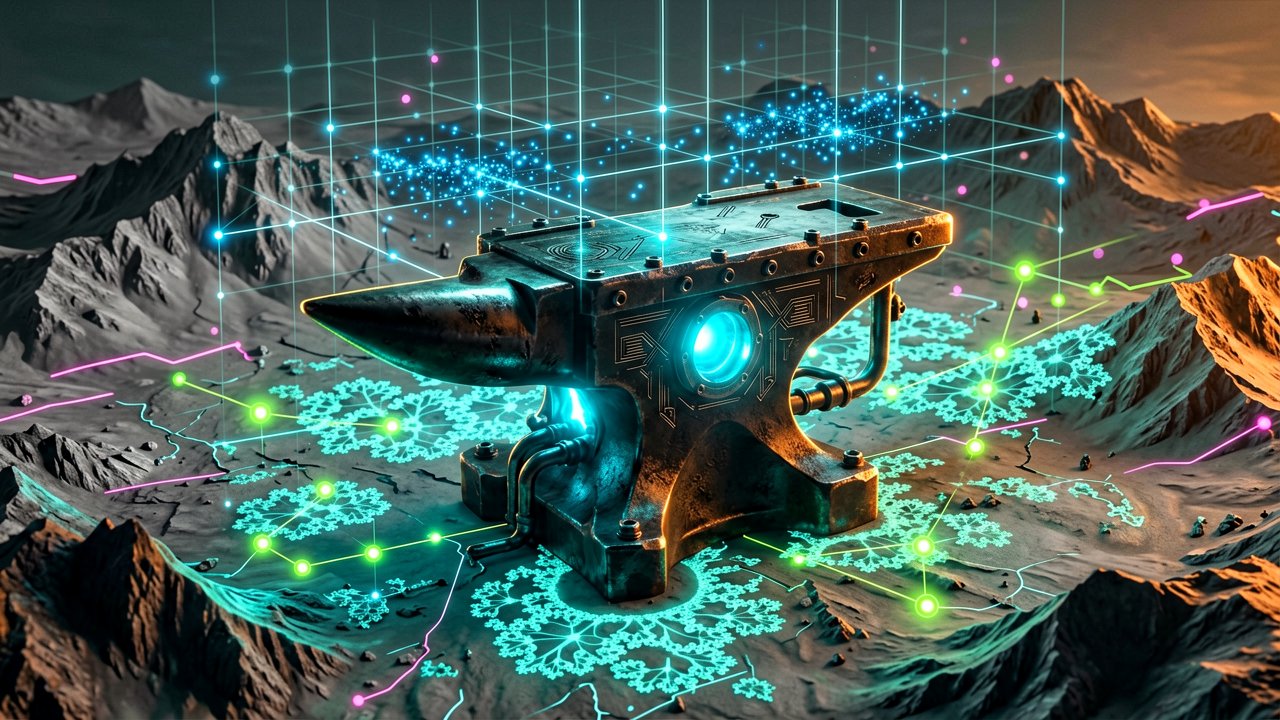
Crucial to this turnaround effort is the massive, quiet migration toward unified engine frameworks and shared cloud technologies. Industry insiders note that the developmental delay of several major projects stemmed from the mandate to standardize tools across completely different development teams. While switching over to the new Anvil and Dunia iterations caused immediate friction and missed deadlines, executives are betting everything that these shared technological foundations will pay off with much faster, less painful development cycles for the Far Cry and Ghost Recon teams down the road.
There is also a massive elephant in the room regarding creative exhaustion and the changing tastes of modern players. The "Ubisoft Formula"—characterized by massive open-world maps packed with checklist-style side activities—has faced severe critical backlash and dwindling player engagement over the last five years. Consumers are no longer willing to sink a hundred hours into padded, formulaic experiences when sleeker, more innovative live-service games are competing for their limited free time. Consequently, the teams leading the charge on the next Ghost Recon and Far Cry games are under immense pressure to fundamentally reinvent how these sandboxes operate, moving away from repetitive chore-lists toward dynamic, systemic gameplay.

Finally, this aggressive timeline highlights a sharp cultural shift under the pressure of activist investors and shifting market valuations. Management can no longer afford the luxury of indefinite delays or experimental passion projects that don't fit into established, bankable intellectual properties. By funneling almost all available resources into three historically reliable pillars, Ubisoft is pulling back from riskier, unproven concepts. It is a highly defensive, survival-oriented strategy wrapped in a confident PR package, forcing creative teams to execute flawlessly within rigid corporate deadlines to ensure the company's long-term independence.
Reading Between the Lines: The Danger of Treating Promises as Progress
The Illusion of Stability: Corporate roadmaps are easy to draw but notoriously difficult to execute, especially for a company with a recent track record of perpetual delays and sudden cancellations. Pledging a flurry of blockbusters by 2029 looks great on an investor slide deck, but it ignores the cold reality of modern AAA game development. Games of this scale now routinely take five to six years to build from scratch. By locking themselves into a rigid multi-year release window, Ubisoft executives are assuming a flawless development pipeline that simply does not exist in the current industry climate, essentially betting their future on the hope that history won't repeat itself.
A glaring contradiction lies in the publisher's dual desire to innovate while simultaneously playing it safe. Management explicitly stated they want to break away from the stale design tropes that alienated fans, yet they are relying entirely on the same legacy franchises that created the fatigue in the first place. Forcing teams to completely reinvent gameplay systems for Far Cry and Ghost Recon while adhering to strict, shareholder-mandated deadlines is a recipe for compromise. True creative reinvention requires time and room to fail, two luxuries that a company facing intense financial scrutiny and "low point" fiscal years cannot afford to give its studios.
Furthermore, the decision to heavily backload these releases into fiscal 2028 and 2029 creates a massive, precarious bottleneck. If the first wave of titles—like the witchcraft-themed Assassin's Creed project—stumbles or requires extra polish, the entire multi-year calendar will collapse like a house of cards. A single major delay would push subsequent titles past the 2029 threshold, triggering a familiar wave of investor panic and rushed patch jobs. In trying to reassure the market that a steady stream of content is on the way, the publisher has inadvertently heightened the stakes, leaving themselves absolutely zero margin for error over the next three years.
Ultimately, this strategy treats games as predictable financial widgets rather than volatile creative projects. The industry has evolved, and players can spot a rushed, mandate-driven sequel from a mile away. If Ubisoft merely delivers prettier versions of the same old territory-capturing loops to meet their 2029 targets, they might satisfy a quarterly earnings report, but they will permanently damage the long-term equity of their most valuable intellectual properties. The coming years will prove whether this roadmap is a genuine creative renaissance or just a desperate attempt to keep the stock price afloat until the end of the decade.
Publishers love to promise the moon three years out because, in corporate time, three years is long enough for everyone to forget who made the promise in the first place. We will see if Ubisoft can actually deliver three distinct open-world masterpieces by 2029, or if we are just looking at a very expensive way to buy some peace and quiet from the board of directors.
Artūras Malašauskas is an AI Systems Integrator with 20+ years of production-grade web engineering experience. He has designed, shipped, and scaled enterprise Python/PHP systems for logistics, SaaS, and public-sector clients. For the past year, he has focused exclusively on AI integrations: deploying open-source LLMs, building generative media pipelines (image, audio, video), and engineering multi-agent workflows for real production environments. His standard: reproducibility, security, cost-efficient inference—no vaporware. He documents and evaluates emerging AI tooling, separating verified capabilities from marketing noise. Technical editor at: muza-ai.eu, ai-verslas.lt, ai-naujinos.lt Connect on LinkedIn
Comments