Grok Imagine is the New Secret Weapon for Fast Game Asset Prototyping
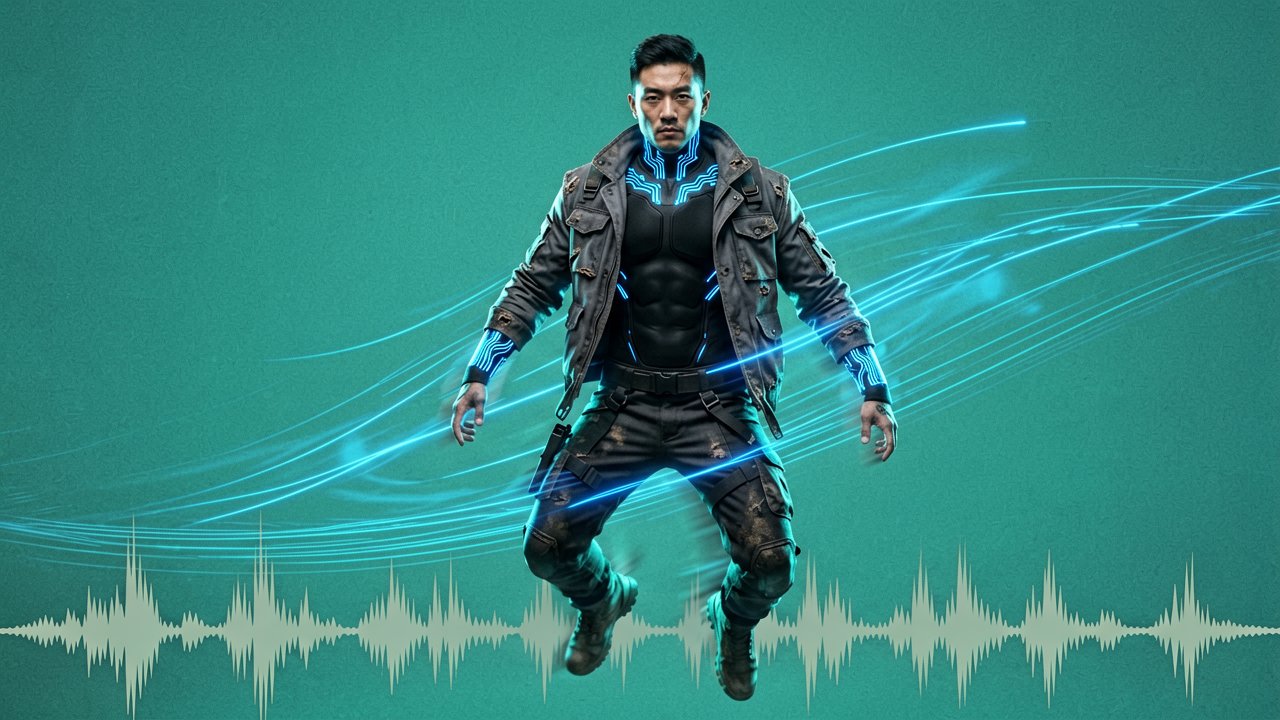
Game development has always been notoriously slow, a grueling marathon where turning a wild concept into a tangible, moving asset can take weeks of back-and-forth between artists and coders. But the arrival of xAI's Grok Imagine is rewriting the rules of pre-production, offering studio-level rapid prototyping that feels almost like magic. By blending high-fidelity image rendering with native audio-video synchronization, the multimodal engine allows indie creators and seasoned developers alike to skip the initial bottleneck and see their ideas living and breathing in real-time.
Instead of wrestling with temporary gray boxes or relying on placeholder sketches that fail to capture a scene's true vibe, creators are now feeding simple text prompts and structural references into the xAI Docs-powered API to spit out consistent character sheets, environmental backdrops, and animated sequences. It is a seismic shift in how games are pitched and planned, turning what used to be a technical hurdle into a fluid, conversational design process.
From Static Vision to Living Gameplay
What sets this tool apart from standard generative models is its uncanny ability to preserve visual identity across variations. If you generate a complex cyberpunk protagonist or a retro pixel-art character, the model allows you to anchor that identity and animate it directly. Developers can take a single character sheet, upload it as a reference image, and prompt the engine to simulate a 2D side-scroller action sequence complete with accurate physics and movement. The platform's image-to-video endpoint effectively eliminates the fragmentation that usually plagues early-stage asset generation.
The Sound and the Fury of Built-In Audio
A major friction point in drafting a game demo has always been the complete absence of sound, leaving early builds feeling hollow and lifeless. Grok Imagine solves this elegantly through native audio generation that builds ambient soundscapes, snappy environmental effects, and even lip-synced dialogue straight into a 10-second clip. There is no need to jump into external audio software just to see if an explosion or a spell effect carries the right weight. For a team trying to find the "fun factor" of a game mechanic, having an immediate visual accompanied by synchronized audio cuts down iteration time from days to mere seconds.
Bridging the Gap for No-Code Builders
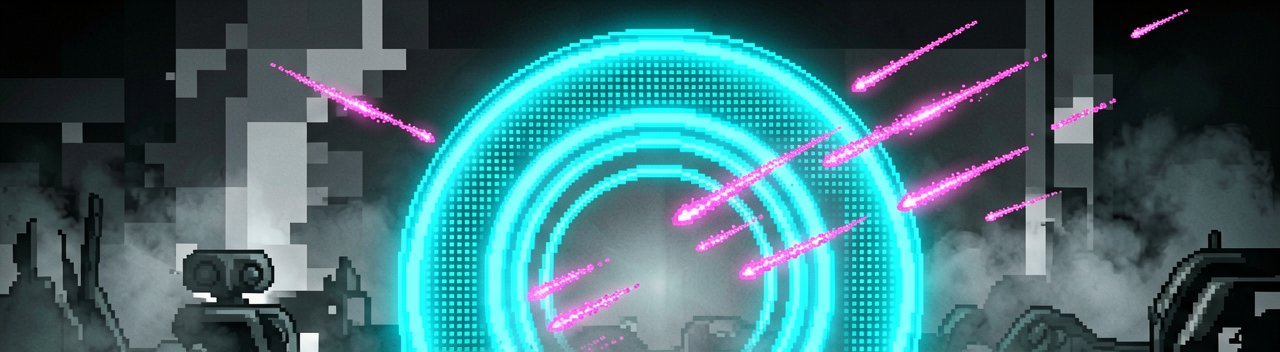
The democratization of game creation is moving fast, and when combined with browser-based tools, this generator functions as the ultimate visual engine for creators who do not know how to draw a single line of art. According to technical documentation found on Fal.ai, the system handles complex text rendering and precise lighting calculations, meaning menus, UI elements, and glowing magical components look intentional rather than randomized. It acts as an elite, on-demand art department that lets designers focus entirely on building core game mechanics and systems without sacrificing the aesthetic vision.
Behind the Scenes: The Technical Grind Behind the Creative Magic
While the front-end user experience of Grok Imagine feels remarkably seamless, the underlying infrastructure represents a massive departure from standard latent diffusion models. Traditional image generators operate in isolation, treating each frame or asset as a brand-new mathematical puzzle to solve from scratch. For game developers, this lack of temporal and stylistic continuity has historically rendered AI tools useless for actual production pipelines. By contrast, xAI’s engine relies on an advanced cross-attention mechanism that locks in localized spatial data, ensuring that a character’s armor plating or a weapon's silhouette remains identical across multiple frames and varied lighting environments.
Industry veterans are tracking this architectural shift closely, noting that the true value lies in the platform’s compute efficiency. Smaller indie studios have long been priced out of massive internal rendering farms, forcing them to rely on generic asset store packages that dilute their game's unique identity. Early adopters within the development community report that utilizing the API for rapid iteration allows a single technical artist to match the conceptual output of a five-person pre-production team. This leveling of the playing field is forcing major publishers to rethink their own bloated pre-production timelines, which frequently stall for months during the initial greenlight phase.
However, the integration of these models has also sparked intense debate among traditional concept artists and UI designers who fear the erasure of foundational creative roles. Forward-thinking art directors argue that the technology should not be viewed as a replacement for human craft, but rather as an hyper-advanced mood board. By automating the tedious process of sketching out hundreds of iterations for a single background prop, human artists are freed to focus entirely on the final, high-fidelity refinement and emotional resonance of the game's world. The consensus among technical leads is that the tool acts as a bridge, translating abstract design documents into immediate visual alignment before a single line of production code is ever written.
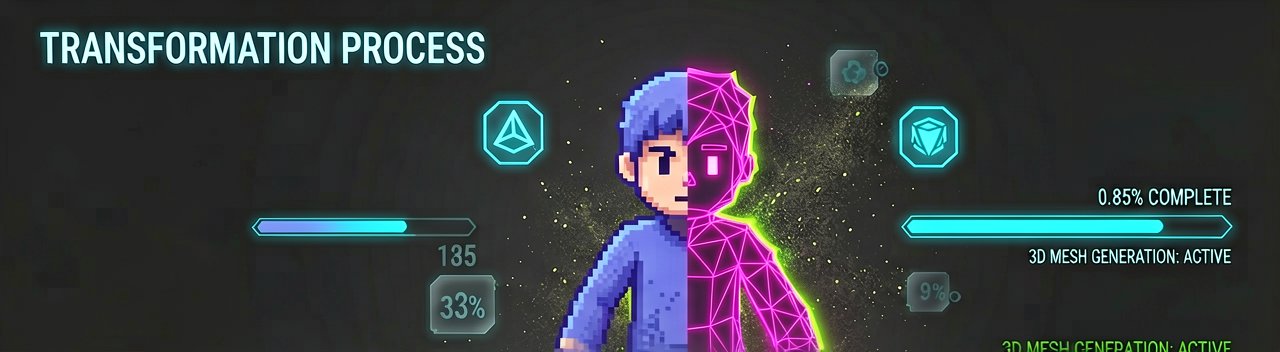
Looking ahead, the next major hurdle for the platform will be the native export of clean, un-triangulated 3D meshes and layered vector files directly into engines like Unreal Engine and Unity. Currently, developers must still manually convert these generated 2D and video assets into usable 3D geometry, which introduces a secondary bottleneck into the workflow. If xAI can successfully bridge the gap between multimodal 2D generation and production-ready 3D asset pipelines, Grok Imagine will transition from a powerful prototyping novelty into the core foundational infrastructure of modern game development.
Reading Between the Lines: The Friction Between Velocity and Originality
The tech industry's collective infatuation with speed often blinds it to the structural compromises left in the wake of rapid automation. Grok Imagine promises to collapse pre-production timelines from weeks to seconds, yet this hyper-acceleration introduces a paradox of choice that can easily paralyze a creative team. When generating a dozen distinct visual styles requires nothing more than a text prompt, the disciplined curation that traditionally defines great art direction risks being replaced by aimless iteration. The danger is no longer a lack of assets, but an overwhelming surplus of ideas that lack a cohesive creative soul.
Furthermore, the current praise surrounding asset homogeneity deserves a healthy dose of skepticism. While the engine excels at maintaining character silhouettes across short video clips, the real test of a game asset lies in its granular interactivity. A generated sprite sheet or simulated side-scroller sequence looks impressive in an isolated tech demo, but these assets remain functionally deaf and blind to the complex state machines governing actual gameplay logic. Forcing an AI-generated character to interact seamlessly with variable player collision, dynamic lighting grids, and changing network states still requires the heavy lifting of traditional human engineering.
There is also an undeniable tension between the promise of democratization and the realities of platform lock-in. By shifting the foundational asset pipeline to proprietary, cloud-hosted APIs, independent studios are effectively tethering their creative autonomy to external infrastructure pricing and model updates. A minor tweak to the engine’s latent space calculations mid-development could inadvertently alter the visual consistency of a game currently three years into production. Relying on an external black box for a project's entire aesthetic identity trades upfront development costs for long-term operational vulnerability.
Ultimately, the true impact of this technology will not be measured by how many mediocre prototypes are spun up overnight, but by how it alters the baseline expectations of the market. As the barrier to creating visually competent prototypes drops to zero, the gaming landscape faces an imminent deluge of lookalike content that satisfies technical metrics but fails to capture human imagination. True innovation will likely belong to the developers who use these tools with strict restraint, treating the engine as a baseline springboard rather than the final destination.
We are rapidly approaching an era where anyone can manifest a fully rendered cyberpunk metropolis in under ten seconds, which is incredibly liberating right up until you realize everyone else did the exact same thing during their lunch break.
Artūras Malašauskas is an AI Systems Integrator with 20+ years of production-grade web engineering experience. He has designed, shipped, and scaled enterprise Python/PHP systems for logistics, SaaS, and public-sector clients. For the past year, he has focused exclusively on AI integrations: deploying open-source LLMs, building generative media pipelines (image, audio, video), and engineering multi-agent workflows for real production environments. His standard: reproducibility, security, cost-efficient inference—no vaporware. He documents and evaluates emerging AI tooling, separating verified capabilities from marketing noise. Technical editor at: muza-ai.eu, ai-verslas.lt, ai-naujinos.lt Connect on LinkedIn
Comments