Alruna: End Of History Launches On PC June 4 With New Trailer And Surreal Pixel-Art Platforming
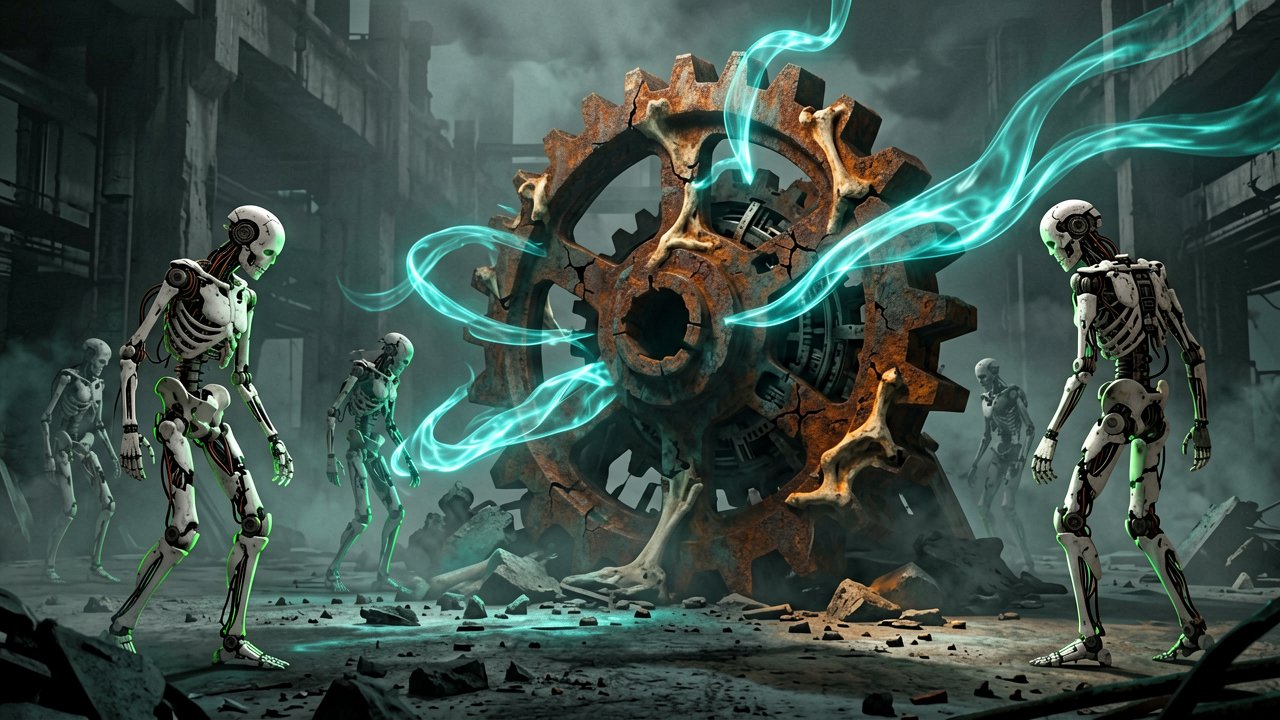
Swedish solo developer Niklas Hallin, working under the moniker Neckbolt, has officially announced that his surreal side-scrolling project, Alruna: End of History, will launch on PC via Steam on June 4, 2026. This announcement comes alongside a fresh gameplay trailer showcasing the game's distinctive blend of H.R. Giger-esque visual aesthetics, heavy music, and tight mechanics. According to coverage by Noisy Pixel, the title functions as a mechanical and stylistic evolution of its cult-classic predecessor, Alruna and the Necro-Industrialists, rather than a direct chronological story sequel. Players once again assume the role of the flower-nymph Alruna as she navigates a decaying, industrial wasteland dominated by robotic skeleton servants who toil endlessly in a grim mockery of human capitalism.
What Most Reports Miss: The Structural Evolution of a Cult Metroidvania
Behind the Scenes: The jump from the original 2024 game to Alruna: End of History marks a dramatic shift in scope and structural philosophy that casual observers might miss. The first entry turned heads in the indie community for its restrictive, ultra-dense 1:1 square aspect ratio levels and an aggressive stance on sequence-breaking, essentially functioning like a raw, unhinged 8-bit ROM hack. For this follow-up, Hallin has rebuilt the engine from the ground up to support a native 16:9 widescreen format, a change that fundamentally alters how players perceive space, predict enemy patterns, and navigate the world's interconnected dungeons. This expansion of screen real estate is not just a modern concession, but a deliberate mechanical canvas required to accommodate the protagonist's vastly accelerated kinetic mobility.
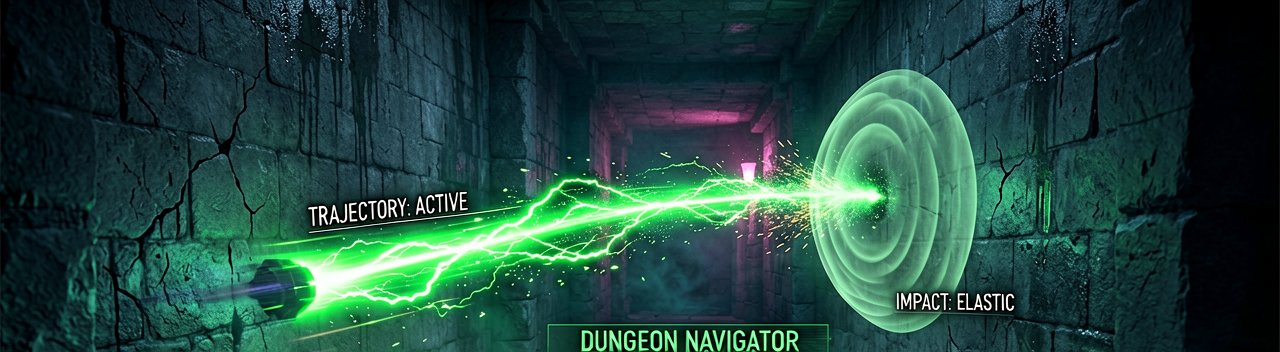
The combat and traversal loop has received a massive overhaul, moving beyond basic navigation into high-flying momentum manipulation. Alruna's new movement toolkit includes hyper-dashes, wall-bounces, and the Blossom Blaster, a versatile ranged weapon that doubles as an entry vector for trick-platforming by allowing players to physically bounce off their own projectiles to reach hidden ledges. Hallin openly admits that the intricate, puzzle-heavy layout of the game's central temples draws inspiration from classic top-down adventures like The Legend of Zelda: Link's Awakening, translationally mapped onto a side-scrolling plane. Elements like elemental transformations—including Fire, Water, and Thunder forms—flesh out the exploration depth, requiring players to actively manipulate the environment to uncover the game's heavily guarded secrets.
Publisher Burning Planet Digital, an outfit that initially started as a video game music production company before evolving into a self-described "punk-driven" indie game publisher, continues to treat these releases with the raw energy of an underground band launch. The game's surreal tone is explicitly reinforced by an oppressive, heavy 8-bit soundtrack that matches the bizarre narrative backdrop where NPCs communicate almost entirely through fragmented pop culture references and song lyrics. This chaotic mix of high-speed platforming, eco-gothic critique, and rhythmic attitude positions the title as a unique outlier in a crowded genre. A playable demo is currently live on the Steam Store Page, giving curious players a taste of the first complete temple and its screen-filling boss encounter ahead of the June release.
Reading Between the Lines: The Fragile Line Between Nostalgia and Friction
Reading Between the Lines: The sheer abundance of modern Metroidvanias on Steam creates a hazardous marketplace for developers trying to stand out through deliberate friction. Alruna: End of History positions itself as an uncompromising, punk-rock alternative to sanitized corporate indie games, yet this rebellious stance contains built-in contradictions. By leaning heavily into cryptic NPC dialogue made of disjointed song lyrics and pop-culture non-sequiturs, the narrative risks alienating the very players drawn in by its precise, hyper-responsive platforming. When a game demands surgical mechanical execution during a high-stakes boss battle, forcing players to decode surreal, opaque lore to figure out where to go next can easily cross the line from atmospheric mystery into frustrating design.
Furthermore, the transition from the original game's claustrophobic 1:1 aspect ratio to a standard 16:9 widescreen format introduces an unexpected creative paradox. The cult appeal of the first Alruna rested entirely on its claustrophobic, retro-handheld limitations, which forced the developer to craft ingeniously tight, puzzle-box level designs. Expanding the horizon inherently changes the camera's relationship with the player, potentially diluting that signature feeling of isolation and dread. While a wider screen accommodates faster movement and more explosive combat mechanics, it also places Alruna squarely in direct competition with visual powerhouses like Hollow Knight and Ori, stripping away the unique novelty of its predecessor's retro constraints.
Relying on a solo developer's singular vision ensures a deeply personal and untainted artistic product, but it raises valid questions about long-term technical stability and post-launch support. Rebuilding an entire engine from scratch to support high-velocity physics, elemental shifting, and complex environmental puzzles is a massive undertaking for a one-man studio. If the June 4 launch suffers from day-one physics glitches or progression-blocking bugs, the momentum generated by its slick trailers could evaporate instantly. Ultimately, the success of this sequel depends on whether the broader PC gaming audience embraces a world that is intentionally designed to feel deeply uncomfortable, bizarre, and mechanically demanding.
Designing a game that simultaneously pays homage to Game Boy-era Zelda puzzles and H.R. Giger's industrial nightmares is certainly one way to filter out casual players, but we will see if the gaming public actually wants to spend their summer vacation getting yelled at in song lyrics by a pixelated robotic skeleton.
Artūras Malašauskas is an AI Systems Integrator with 20+ years of production-grade web engineering experience. He has designed, shipped, and scaled enterprise Python/PHP systems for logistics, SaaS, and public-sector clients. For the past year, he has focused exclusively on AI integrations: deploying open-source LLMs, building generative media pipelines (image, audio, video), and engineering multi-agent workflows for real production environments. His standard: reproducibility, security, cost-efficient inference—no vaporware. He documents and evaluates emerging AI tooling, separating verified capabilities from marketing noise. Technical editor at: muza-ai.eu, ai-verslas.lt, ai-naujinos.lt Connect on LinkedIn
Comments