BMS Taps Anthropic’s Claude for Enterprise-Wide AI Adoption to Speed R&D, Global Workflows
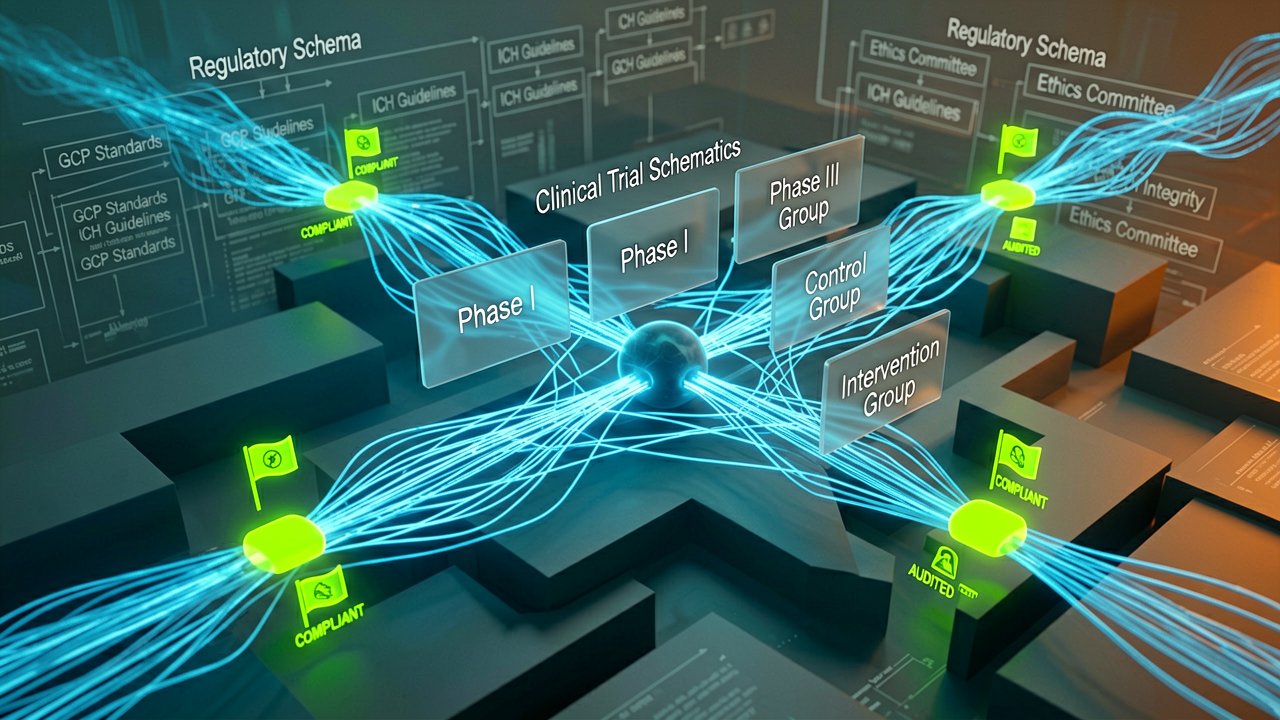
Pharmaceutical heavyweight Bristol Myers Squibb has inked a major enterprise deal with Anthropic to roll out its Claude AI model across the company’s global footprint. The sweeping rollout will place advanced reasoning tools into the hands of more than 30,000 employees, embedding the tech directly into research, clinical trials, manufacturing, and regulatory workflows. Rather than treating AI as a casual office assistant, BMS is positioning the platform as a foundational intelligence layer to systematically dismantle data silos that have traditionally slowed drug development.
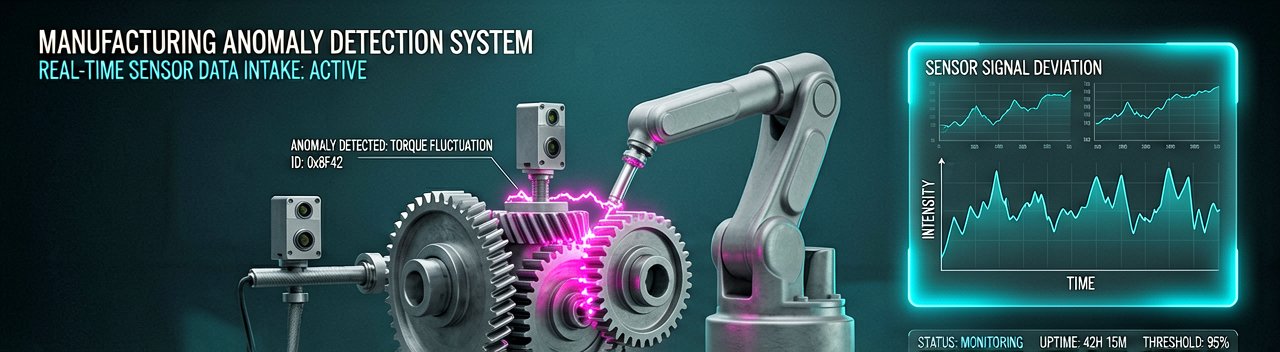
According to a report by Reuters , the initiative looks to push past basic conversational chatbots and target complex, multi-step operations. This includes automating tedious trial documentation, extracting clinical insights from decades of proprietary research, and analyzing manufacturing anomalies in real time. The drugmaker will also lean heavily on Anthropic’s specialized coding tool, Claude Code, to help its data science and software engineering teams build and standardize applications at a much faster clip.
What Most Reports Miss: The Push for Truly Agentic Infrastructure
The real story here is the shift from passive tools to active systems. For the past few years, corporate AI adoption has largely consisted of wrapper apps and glorified search engines that require constant human hand-holding. BMS’s strategy highlights a pivot toward agentic capabilities—systems that can autonomously bridge separate databases, flag manufacturing deviations, and piece together regulatory filings with minimal friction. By turning the model loose on thousands of internal data repositories, the company is betting that a unified intelligence layer can extract massive value from institutional knowledge that was previously trapped in isolated digital archives.
This rollout reflects a broader, hyper-competitive arms race as the pharmaceutical sector tries to shave years off the typical drug discovery timeline. Finding a promising molecule and pushing it through clinical trials is a notoriously slow, multi-billion-dollar gamble. Competitors like Moderna and Novo Nordisk have already established alliances with OpenAI, while Eli Lilly has leaned into partnerships with chipmaker Nvidia. For Anthropic, landing a client of BMS’s scale serves as a massive validation for its enterprise-tier architecture, especially since highly regulated fields demand strict audit trails and robust data governance.
From an operational perspective, the deployment will tackle three primary pillars: accelerating internal software development, embedding autonomous agents into drug pipelines, and linking legacy research data to active projects. The clinical documentation phase is a particularly ripe target for automation, as drafting dense study reports and safety narratives usually eats up months of human labor. If the platform successfully compresses the time between data lock and final regulatory filing, it will provide a blueprint for how legacy healthcare giants can structurally reorganize around machine intelligence.
Reading Between the Lines: The Reality Check Behind Corporate AI Pledges
The corporate rush to declare enterprise-wide AI transformation frequently glosses over a stubborn technical reality. Deploying an advanced reasoning model like Claude across a legacy footprint as complex as Bristol Myers Squibb is rarely as simple as flipping a switch. Pharmaceutical giants are notorious for their fragmented, decades-old IT architectures, where vital research is often trapped in inconsistent formats across disparate systems. Handing 30,000 employees an AI interface does not instantly fix messy underlying data, and the initial phase of this rollout will likely be consumed by the unglamorous work of data cleaning rather than immediate scientific breakthroughs.
Furthermore, the industry's pivot toward autonomous, agentic workflows introduces a delicate paradox regarding regulatory compliance and risk. While Anthropic has long championed "constitutional AI" and safety-first design, the U.S. Food and Drug Administration and global regulators do not accept algorithmic decisions at face value. If an AI agent flags a manufacturing anomaly or interprets a clinical trial result incorrectly, the liability remains entirely human. This reality creates an inevitable friction point where the desire for rapid, automated workflows will constantly collide with the rigid, slow-moving guardrails of pharmaceutical legal frameworks.
There is also the question of vendor lock-in versus true model agnosticism in an AI landscape that changes by the week. By anchoring its global infrastructure so deeply to Anthropic's ecosystem, BMS is making a massive bet that Claude will maintain its competitive edge in complex reasoning over the long haul. In a market where model performance benchmarks fluctuate rapidly, heavily embedding one provider's specialized tools into core operational pipelines risks creating a costly migration headache if the industry balance of power shifts.

In the end, replacing thousands of hours of tedious regulatory paperwork with automated AI workflows sounds like a dream, provided the model doesn't confidently hallucinate a brand-new chemical element in the final draft.
Artūras Malašauskas is an AI Systems Integrator with 20+ years of production-grade web engineering experience. He has designed, shipped, and scaled enterprise Python/PHP systems for logistics, SaaS, and public-sector clients. For the past year, he has focused exclusively on AI integrations: deploying open-source LLMs, building generative media pipelines (image, audio, video), and engineering multi-agent workflows for real production environments. His standard: reproducibility, security, cost-efficient inference—no vaporware. He documents and evaluates emerging AI tooling, separating verified capabilities from marketing noise. Technical editor at: muza-ai.eu, ai-verslas.lt, ai-naujinos.lt Connect on LinkedIn
Comments