Envestnet’s New AI Playbook: Can Algorithms Really Buy Advisors More Time?

For years, the "swivel-chair" effect has been the bane of the financial advisor’s existence—that tedious, manual hopping between disparate data silos just to prep for a single client review. Envestnet, the Berwyn-based wealth tech titan, thinks it finally has the cure. At its Elevate 2026 conference in Phoenix, the firm took the wraps off a suite of AI-driven enhancements designed to collapse hours of meeting preparation into mere minutes. By embedding an "intelligent narrative layer" directly into its Report Studio and Tamarac platforms, Envestnet is betting that advisors are ready to trade their spreadsheets for AI-generated "stories."
This isn't just about flashy tech; it’s about survival in an industry where fees are under pressure and client expectations are at an all-time high. According to Wealth Management, the goal of these updates is to solve a "broken" system of fragmented reporting. Envestnet CEO Chris Todd, who took the helm following the firm’s $4.5 billion take-private deal with Bain Capital, is clearly moving fast to justify that valuation. The new platform uses natural language processing to synthesize live data across a practice’s entire book of business, allowing advisors to ask simple questions like, "Which clients have open proposals?" and receive a contextualized, ready-to-present answer in seconds.
What Most Reports Miss: The Data Consolidation Gamble
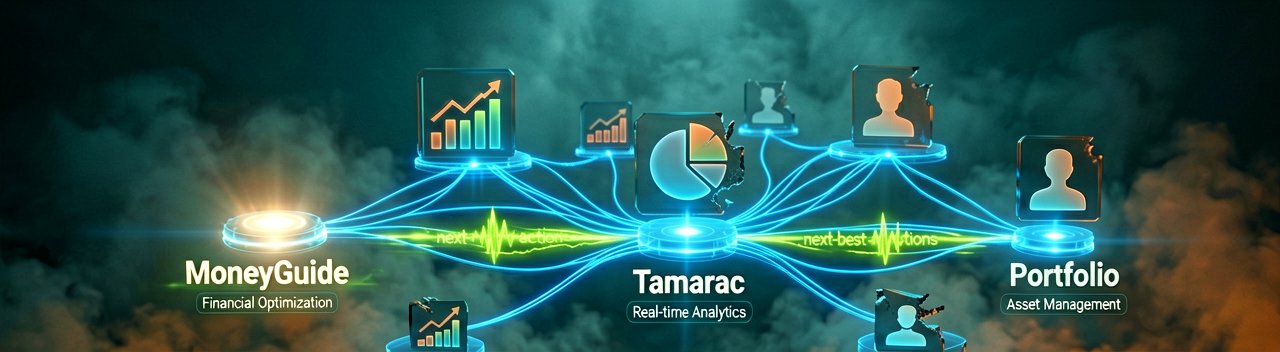
Behind the Scenes: While the headlines focus on the "magic" of five-minute prep times, the real heavy lifting is happening under the hood in what Envestnet calls its Wealth Data Platform. The veteran reporter knows that AI is only as good as the data it’s fed, and for a long time, Envestnet’s various acquisitions—MoneyGuide for planning, Tamarac for portfolio management—felt like separate neighborhoods in the same city. This launch marks a significant attempt to pave the roads between them. By creating a unified household-level intelligence layer, the AI can finally "see" the full picture of a client’s life, from their retirement goals to their tax-loss harvesting opportunities, without the advisor having to act as the human glue.
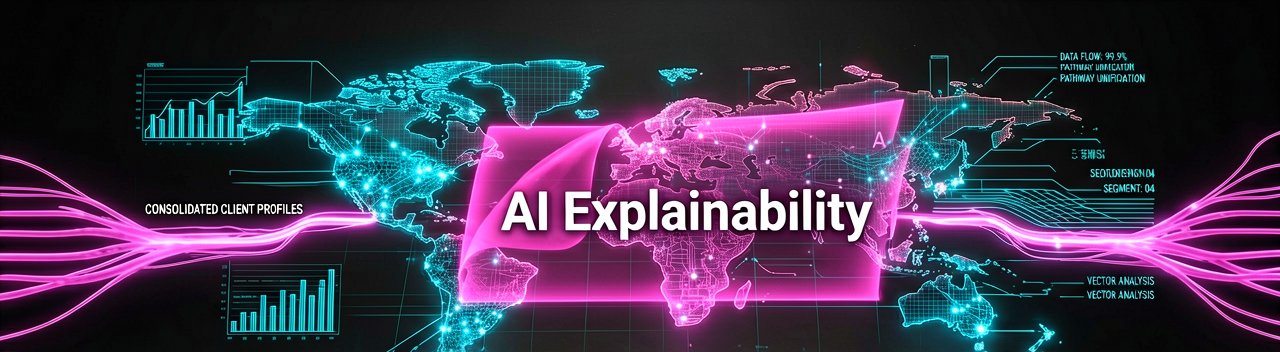
There’s also a strategic pivot here that’s worth watching. Historically, Envestnet’s massive scale (serving one-third of all U.S. advisors) has been both a strength and a weakness, often making the platform feel cumbersome to navigate. As noted by PR Newswire, the new "AI Explainability" features are designed to strip away that complexity, surfacing "next-best actions" rather than just static charts. It’s an admission that advisors don’t need more data—they need better directions. For the home offices that oversee thousands of reps, this kind of standardization is the holy grail of operational efficiency.
The timing is also no accident. Envestnet is currently navigating its first full year under private equity ownership, a period typically marked by aggressive R&D spending and a push for platform stickiness. With competitors like Orion and Fidelity’s eMoney also racing toward "agentic" AI workflows, the pressure is on to prove that Envestnet can innovate as quickly as a nimble startup while maintaining the security of a global institution. The success of this AI rollout will likely determine whether the firm can shift from being a utility provider to a truly "adaptive" technology partner that anticipates an advisor’s needs before they even open their laptop.
Finally, we have to talk about the "human in the loop." Envestnet is careful to frame this as an augmentation of the advisor, not a replacement. The AI handles the "manual stitching" of reports, but the advisor still delivers the advice. However, as these systems become more capable of triggering service workflows and identifying consolidation opportunities autonomously, the line between back-office support and front-office decision-making is starting to blur. For the modern practice, the question isn’t whether to use AI, but how to ensure that the time "recovered" by these tools is actually spent building deeper relationships rather than just managing more accounts.
How will your practice define the "human value-add" once the AI takes over the paperwork? Request a demo of the new AI features via the [Envestnet Advisor Portal](https://www.envestnet.com/wealth-management/software) to see the speed for yourself.
For years, the "swivel-chair" effect has been the bane of the financial advisor’s existence—that tedious, manual hopping between disparate data silos just to prep for a single client review. Envestnet, the Berwyn-based wealth tech titan, thinks it finally has the cure. At its Elevate 2026 conference in Phoenix, the firm took the wraps off a suite of AI-driven enhancements designed to collapse hours of meeting preparation into mere minutes. By embedding an "intelligent narrative layer" directly into its Report Studio and Tamarac platforms, Envestnet is betting that advisors are ready to trade their spreadsheets for AI-generated "stories."
This isn't just about flashy tech; it’s about survival in an industry where fees are under pressure and client expectations are at an all-time high. According to Wealth Management, the goal of these updates is to solve a "broken" system of fragmented reporting. Envestnet CEO Chris Todd, who took the helm following the firm’s $4.5 billion take-private deal with Bain Capital, is clearly moving fast to justify that valuation. The new platform uses natural language processing to synthesize live data across a practice’s entire book of business, allowing advisors to ask simple questions like, "Which clients have open proposals?" and receive a contextualized, ready-to-present answer in seconds.
What Most Reports Miss: The Data Consolidation Gamble
Behind the Scenes: While the headlines focus on the "magic" of five-minute prep times, the real heavy lifting is happening under the hood in what Envestnet calls its Wealth Data Platform. The veteran reporter knows that AI is only as good as the data it’s fed, and for a long time, Envestnet’s various acquisitions—MoneyGuide for planning, Tamarac for portfolio management—felt like separate neighborhoods in the same city. This launch marks a significant attempt to pave the roads between them. By creating a unified household-level intelligence layer, the AI can finally "see" the full picture of a client’s life, from their retirement goals to their tax-loss harvesting opportunities, without the advisor having to act as the human glue.
There’s also a strategic pivot here that’s worth watching. Historically, Envestnet’s massive scale (serving one-third of all U.S. advisors) has been both a strength and a weakness, often making the platform feel cumbersome to navigate. As noted by PR Newswire, the new "AI Explainability" features are designed to strip away that complexity, surfacing "next-best actions" rather than just static charts. It’s an admission that advisors don’t need more data—they need better directions. For the home offices that oversee thousands of reps, this kind of standardization is the holy grail of operational efficiency.
The timing is also no accident. Envestnet is currently navigating its first full year under private equity ownership, a period typically marked by aggressive R&D spending and a push for platform stickiness. With competitors like Orion and Fidelity’s eMoney also racing toward "agentic" AI workflows, the pressure is on to prove that Envestnet can innovate as quickly as a nimble startup while maintaining the security of a global institution. The success of this AI rollout will likely determine whether the firm can shift from being a utility provider to a truly "adaptive" technology partner that anticipates an advisor’s needs before they even open their laptop.
The Price of Efficiency
Reading Between the Lines: The industry’s fascination with "productivity gains" often ignores a fundamental contradiction: as AI makes the mechanics of financial planning cheaper and faster, the perceived value of those mechanics inevitably drops. Envestnet’s promise to turn a three-hour prep session into a three-minute summary is a godsend for overworked back offices, but it also strips away the "intellectual sweat equity" that many advisors use to justify their basis points. If the AI is doing the synthesizing, the explaining, and the suggesting, the advisor risks becoming a glorified narrator for a machine’s insights. The tech-enabled advisor of tomorrow must find a way to ensure that "efficiency" doesn't inadvertently become "erasure" of their own expertise.
Furthermore, there is a recurring skepticism regarding the "cleanliness" of the data underlying these AI narratives. Wealth management is notoriously messy, filled with manual entries, held-away assets, and legacy account structures that don't always play nice with modern APIs. Envestnet’s AI is essentially building a beautiful house on a foundation of historical data that is often incomplete or siloed. While the "AI Explainability" features aim to mitigate this by showing the work, there is a lingering concern that automated narratives might confidently hallucinate a client’s financial health based on a data gap the advisor forgot to plug three years ago. The burden of verification hasn't vanished; it has merely changed shape.
We also have to consider the psychological impact on the client relationship. In the race to automate, there is a danger of creating a "uncanny valley" of financial advice where reports feel too polished and interactions feel scripted. If a client realizes their advisor’s deep insights were generated by a prompt five minutes before the Zoom call started, the trust that underpins the fiduciary relationship could begin to fray. The real test for Envestnet won't be the speed of the software, but whether the platform allows for enough human friction to keep the advice feeling earned rather than just computed. True wisdom is rarely found in a shortcut, even one powered by a multi-billion dollar algorithm.
Technology will eventually automate every tedious task in a wealth manager's day, leaving them with nothing to do but the one thing humans find most difficult: actually looking a client in the eye and admitting they don't know what the market will do next Tuesday.
For years, the "swivel-chair" effect has been the bane of the financial advisor’s existence—that tedious, manual hopping between disparate data silos just to prep for a single client review. Envestnet, the Berwyn-based wealth tech titan, thinks it finally has the cure. At its Elevate 2026 conference in Phoenix, the firm took the wraps off a suite of AI-driven enhancements designed to collapse hours of meeting preparation into mere minutes. By embedding an "intelligent narrative layer" directly into its Report Studio and Tamarac platforms, Envestnet is betting that advisors are ready to trade their spreadsheets for AI-generated "stories."
This isn't just about flashy tech; it’s about survival in an industry where fees are under pressure and client expectations are at an all-time high. According to Wealth Management, the goal of these updates is to solve a "broken" system of fragmented reporting. Envestnet CEO Chris Todd, who took the helm following the firm’s $4.5 billion take-private deal with Bain Capital, is clearly moving fast to justify that valuation. The new platform uses natural language processing to synthesize live data across a practice’s entire book of business, allowing advisors to ask simple questions like, "Which clients have open proposals?" and receive a contextualized, ready-to-present answer in seconds.
What Most Reports Miss: The Data Consolidation Gamble
Behind the Scenes: While the headlines focus on the "magic" of five-minute prep times, the real heavy lifting is happening under the hood in what Envestnet calls its Wealth Data Platform. The veteran reporter knows that AI is only as good as the data it’s fed, and for a long time, Envestnet’s various acquisitions—MoneyGuide for planning, Tamarac for portfolio management—felt like separate neighborhoods in the same city. This launch marks a significant attempt to pave the roads between them. By creating a unified household-level intelligence layer, the AI can finally "see" the full picture of a client’s life, from their retirement goals to their tax-loss harvesting opportunities, without the advisor having to act as the human glue.
There’s also a strategic pivot here that’s worth watching. Historically, Envestnet’s massive scale (serving one-third of all U.S. advisors) has been both a strength and a weakness, often making the platform feel cumbersome to navigate. As noted by PR Newswire, the new "AI Explainability" features are designed to strip away that complexity, surfacing "next-best actions" rather than just static charts. It’s an admission that advisors don’t need more data—they need better directions. For the home offices that oversee thousands of reps, this kind of standardization is the holy grail of operational efficiency.
The timing is also no accident. Envestnet is currently navigating its first full year under private equity ownership, a period typically marked by aggressive R&D spending and a push for platform stickiness. With competitors like Orion and Fidelity’s eMoney also racing toward "agentic" AI workflows, the pressure is on to prove that Envestnet can innovate as quickly as a nimble startup while maintaining the security of a global institution. The success of this AI rollout will likely determine whether the firm can shift from being a utility provider to a truly "adaptive" technology partner that anticipates an advisor’s needs before they even open their laptop.
Finally, we have to talk about the "human in the loop." Envestnet is careful to frame this as an augmentation of the advisor, not a replacement. The AI handles the "manual stitching" of reports, but the advisor still delivers the advice. However, as these systems become more capable of triggering service workflows and identifying consolidation opportunities autonomously, the line between back-office support and front-office decision-making is starting to blur. For the modern practice, the question isn’t whether to use AI, but how to ensure that the time "recovered" by these tools is actually spent building deeper relationships rather than just managing more accounts.
The Price of Efficiency
Reading Between the Lines: The industry’s fascination with "productivity gains" often ignores a fundamental contradiction: as AI makes the mechanics of financial planning cheaper and faster, the perceived value of those mechanics inevitably drops. Envestnet’s promise to turn a three-hour prep session into a three-minute summary is a godsend for overworked back offices, but it also strips away the "intellectual sweat equity" that many advisors use to justify their basis points. If the AI is doing the synthesizing, the explaining, and the suggesting, the advisor risks becoming a glorified narrator for a machine’s insights. The tech-enabled advisor of tomorrow must find a way to ensure that "efficiency" doesn't inadvertently become "erasure" of their own expertise.
Furthermore, there is a recurring skepticism regarding the "cleanliness" of the data underlying these AI narratives. Wealth management is notoriously messy, filled with manual entries, held-away assets, and legacy account structures that don't always play nice with modern APIs. Envestnet’s AI is essentially building a beautiful house on a foundation of historical data that is often incomplete or siloed. While the "AI Explainability" features aim to mitigate this by showing the work, there is a lingering concern that automated narratives might confidently hallucinate a client’s financial health based on a data gap the advisor forgot to plug three years ago. The burden of verification hasn't vanished; it has merely changed shape.
We also have to consider the psychological impact on the client relationship. In the race to automate, there is a danger of creating a "uncanny valley" of financial advice where reports feel too polished and interactions feel scripted. If a client realizes their advisor’s deep insights were generated by a prompt five minutes before the Zoom call started, the trust that underpins the fiduciary relationship could begin to fray. The real test for Envestnet won't be the speed of the software, but whether the platform allows for enough human friction to keep the advice feeling earned rather than just computed. True wisdom is rarely found in a shortcut, even one powered by a multi-billion dollar algorithm.
Technology will eventually automate every tedious task in a wealth manager's day, leaving them with nothing to do but the one thing humans find most difficult: actually looking a client in the eye and admitting they don't know what the market will do next Tuesday.
Artūras Malašauskas is an AI Systems Integrator with 20+ years of production-grade web engineering experience. He has designed, shipped, and scaled enterprise Python/PHP systems for logistics, SaaS, and public-sector clients. For the past year, he has focused exclusively on AI integrations: deploying open-source LLMs, building generative media pipelines (image, audio, video), and engineering multi-agent workflows for real production environments. His standard: reproducibility, security, cost-efficient inference—no vaporware. He documents and evaluates emerging AI tooling, separating verified capabilities from marketing noise. Technical editor at: muza-ai.eu, ai-verslas.lt, ai-naujinos.lt Connect on LinkedIn
Comments