Silicon in the Soil: The USDA’s High-Stakes Gamble on Agricultural AI
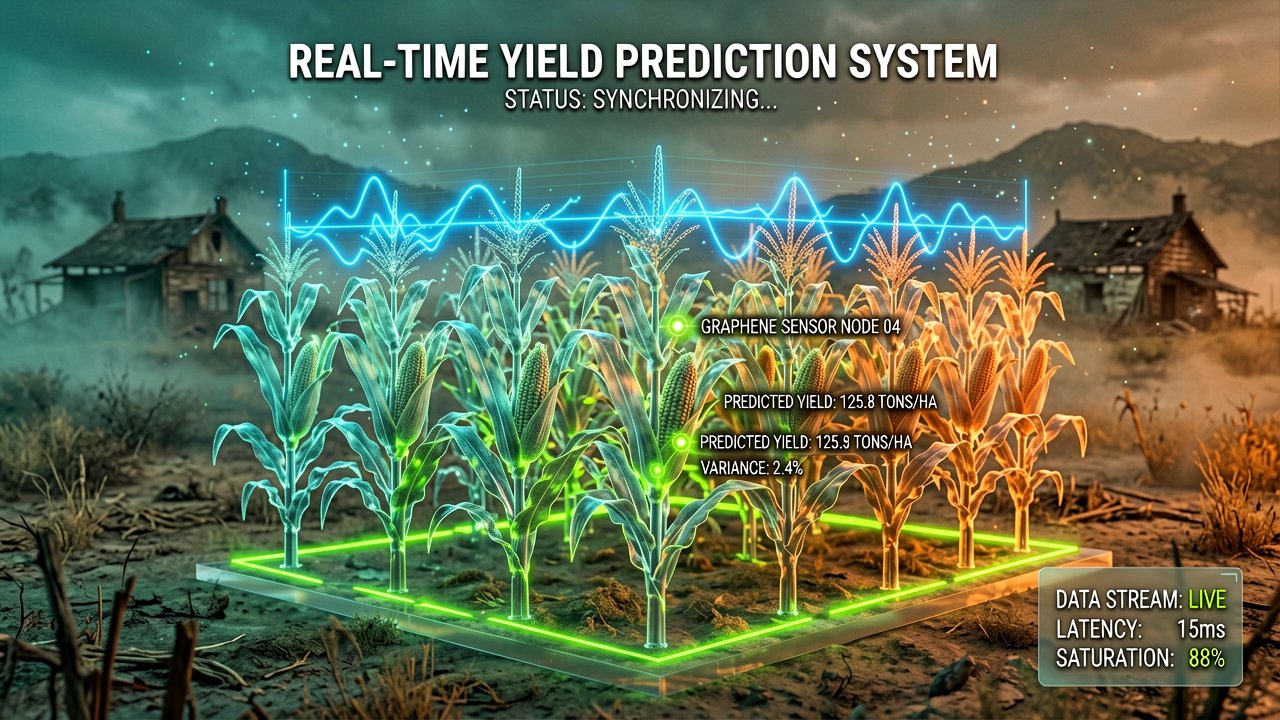
The U.S. Department of Agriculture is no longer just about grain elevators and soil samples; it’s rapidly becoming a high-tech data hub. By rolling out its inaugural AI Strategy for 2025-2026, the department is signaling a pivot toward "computational agriculture." This isn't just about replacing clipboards with tablets—it's a fundamental rewrite of how the federal government manages everything from pest outbreaks to foreign land ownership. Secretary Tom Vilsack is betting that predictive models can stabilize a food system increasingly rattled by climate volatility and shifting global markets.
While the ambition is clear, the implementation is a complex dance between innovation and oversight. Recent reports from the Office of Inspector General suggest that the agency’s "act first, govern later" approach has left some critical security gaps. The agency is already deploying AI to estimate corn yields and streamline permit reviews, but critics argue the lack of a formal generative AI policy could leave sensitive agricultural data vulnerable. It’s a classic tech-sector dilemma playing out in the public square: moving fast to reap the benefits while struggling to build the guardrails in real-time.
The Architecture of a Smarter Supply Chain
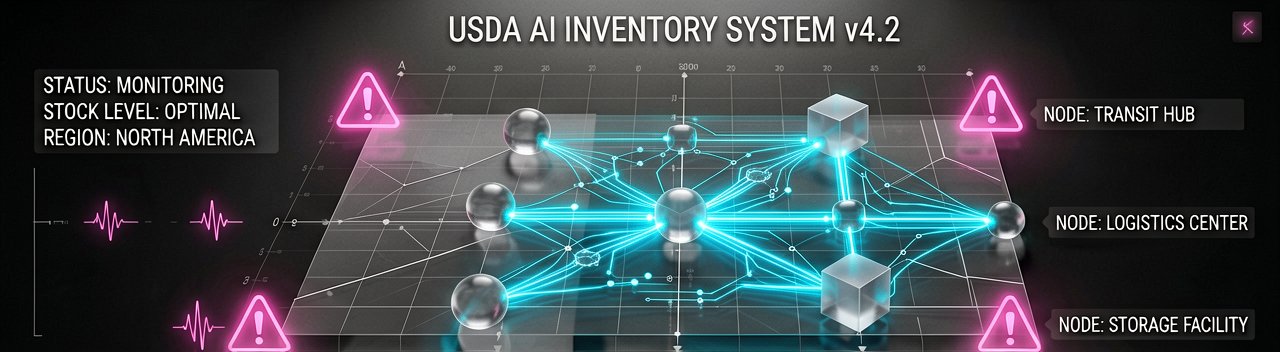
The core of this strategy focuses on "agricultural stability," a term that sounds dry but translates to vital food security. The USDA is currently training models to identify invasive species and monitor the food supply chain for bottlenecks. By leveraging the USDA AI Inventory, the department is tracking dozens of use cases designed to automate the mundane and predict the catastrophic. For the American farmer, this could eventually mean faster loan approvals and more accurate pest alerts, provided the rural digital divide doesn't turn these tools into a luxury for only the largest industrial operations.
What Most Reports Miss: The USDA’s move into AI isn't just a quest for efficiency; it’s an institutional survival strategy against a "perfect storm" of labor shortages and climate unpredictability. For decades, the department relied on historical patterns to guide its policies, but as weather cycles break and trade routes shift overnight, those old maps are failing. By pivoting to machine learning, the agency is attempting to build a "digital twin" of American agriculture—a living model that can simulate the impact of a drought in the Midwest or a pest surge in the South before they happen. This proactive stance is a radical departure from the traditionally reactive nature of federal bureaucracy.
However, the human element remains the stickiest wicket in this digital transformation. Stakeholders ranging from small-scale organic farmers to global commodity traders are watching closely, often with a mix of optimism and dread. While AI-driven precision farming can slash water use by 41% and chemical runoff by 33%, the high cost of entry threatens to widen the gap between tech-savvy mega-farms and local producers. There is a palpable tension between the department’s "AI-ready workforce" goals and the reality on the ground, where many rural communities still struggle with basic high-speed internet—the very fuel these algorithms require to function.
Ethical "guardrails" are the current buzzword in Washington, and the USDA is attempting to lead by establishing a Generative AI Review Board. This group is tasked with ensuring that as the agency automates meat grading or wildfire risk reduction, it doesn't accidentally bake in historical biases or compromise farmer privacy. The challenge is that AI models are often "black boxes," making it difficult for a rancher to understand why a loan was denied or why a crop insurance premium spiked. Transparency isn't just a checkbox for the Chief AI Officer; it’s the only way to maintain trust with a demographic that has historically been skeptical of federal overreach.
Beyond the beltway, the USDA is also looking at the plate. In collaboration with research institutes, the agency is exploring how AI can predict health outcomes by analyzing food journals and molecular structures of crops. This "nutrition-first" approach aims to connect the dots between what we grow and how we live, potentially transforming the USDA from a commodity regulator into a public health visionary. It’s an expansive, perhaps even over-ambitious, vision that seeks to integrate the entire lifecycle of food—from the microbiome of the soil to the gut health of the consumer—into a single, data-driven ecosystem.
Ultimately, the success of this silicon-in-the-soil experiment hinges on more than just code. It requires a cultural shift within the agency and a massive infrastructure investment in rural America. As the 2025-2026 fiscal years unfold, the true metric of success won't just be how many gigabytes of data the USDA can process, but whether those insights actually help a farmer in Nebraska or a family in an urban food desert. The tools are getting smarter, but the fundamental mission of the department—serving the people who feed the world—remains a deeply human endeavor.
New Frontiers in Food Safety
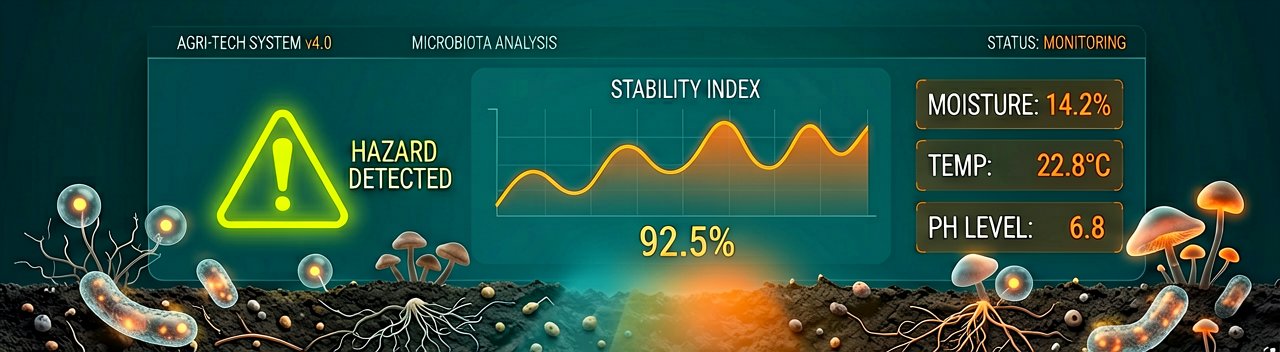
The push for AI isn't confined to the fields; it’s also hitting the inspection lines. Agencies like the FDA are already using pattern recognition to spot contaminated seafood imports faster than any human could. The USDA is following suit, looking to integrate similar "smart" oversight into its own meat and poultry inspections. By automating the identification of hazard factors and utilizing digital labels, the goal is to create a "frictionless" safety net that catches outbreaks before they reach the grocery store shelf.
The U.S. Department of Agriculture is no longer just about grain elevators and soil samples; it’s rapidly becoming a high-tech data hub. By rolling out its inaugural AI Strategy for 2025-2026, the department is signaling a pivot toward "computational agriculture." This isn't just about replacing clipboards with tablets—it's a fundamental rewrite of how the federal government manages everything from pest outbreaks to foreign land ownership. Secretary Tom Vilsack is betting that predictive models can stabilize a food system increasingly rattled by climate volatility and shifting global markets.
While the ambition is clear, the implementation is a complex dance between innovation and oversight. Recent reports from the Office of Inspector General suggest that the agency’s "act first, govern later" approach has left some critical security gaps. The agency is already deploying AI to estimate corn yields and streamline permit reviews, but critics argue the lack of a formal generative AI policy could leave sensitive agricultural data vulnerable. It’s a classic tech-sector dilemma playing out in the public square: moving fast to reap the benefits while struggling to build the guardrails in real-time.
The Architecture of a Smarter Supply Chain
The core of this strategy focuses on "agricultural stability," a term that sounds dry but translates to vital food security. The USDA is currently training models to identify invasive species and monitor the food supply chain for bottlenecks. By leveraging the USDA AI Inventory, the department is tracking dozens of use cases designed to automate the mundane and predict the catastrophic. For the American farmer, this could eventually mean faster loan approvals and more accurate pest alerts, provided the rural digital divide doesn't turn these tools into a luxury for only the largest industrial operations.
What Most Reports Miss: The USDA’s move into AI isn't just a quest for efficiency; it’s an institutional survival strategy against a "perfect storm" of labor shortages and climate unpredictability. For decades, the department relied on historical patterns to guide its policies, but as weather cycles break and trade routes shift overnight, those old maps are failing. By pivoting to machine learning, the agency is attempting to build a "digital twin" of American agriculture—a living model that can simulate the impact of a drought in the Midwest or a pest surge in the South before they happen. This proactive stance is a radical departure from the traditionally reactive nature of federal bureaucracy.
However, the human element remains the stickiest wicket in this digital transformation. Stakeholders ranging from small-scale organic farmers to global commodity traders are watching closely, often with a mix of optimism and dread. While AI-driven precision farming can slash water use by 41% and chemical runoff by 33%, the high cost of entry threatens to widen the gap between tech-savvy mega-farms and local producers. There is a palpable tension between the department’s "AI-ready workforce" goals and the reality on the ground, where many rural communities still struggle with basic high-speed internet—the very fuel these algorithms require to function.
Ethical "guardrails" are the current buzzword in Washington, and the USDA is attempting to lead by establishing a Generative AI Review Board. This group is tasked with ensuring that as the agency automates meat grading or wildfire risk reduction, it doesn't accidentally bake in historical biases or compromise farmer privacy. The challenge is that AI models are often "black boxes," making it difficult for a rancher to understand why a loan was denied or why a crop insurance premium spiked. Transparency isn't just a checkbox for the Chief AI Officer; it’s the only way to maintain trust with a demographic that has historically been skeptical of federal overreach.
Beyond the beltway, the USDA is also looking at the plate. In collaboration with research institutes, the agency is exploring how AI can predict health outcomes by analyzing food journals and molecular structures of crops. This "nutrition-first" approach aims to connect the dots between what we grow and how we live, potentially transforming the USDA from a commodity regulator into a public health visionary. It’s an expansive, perhaps even over-ambitious, vision that seeks to integrate the entire lifecycle of food—from the microbiome of the soil to the gut health of the consumer—into a single, data-driven ecosystem.
Ultimately, the success of this silicon-in-the-soil experiment hinges on more than just code. It requires a cultural shift within the agency and a massive infrastructure investment in rural America. As the 2025-2026 fiscal years unfold, the true metric of success won't just be how many gigabytes of data the USDA can process, but whether those insights actually help a farmer in Nebraska or a family in an urban food desert. The tools are getting smarter, but the fundamental mission of the department—serving the people who feed the world—remains a deeply human endeavor.
The Algorithmic Harvest
Reading Between the Lines: There is a seductive quality to the USDA’s data-first narrative, but it ignores the fundamental messiness of biology. Silicon Valley logic suggests that if you feed enough data into a neural network, you can solve hunger or predict a blight with mathematical certainty. In reality, the USDA is attempting to map a chaotic biological system using tools that are notoriously prone to "hallucinations" and over-fitting. There is a very real risk that by relying on AI to dictate policy, the department trades local, boots-on-the-ground expertise for a glossy, centralized dashboard that looks impressive in a briefing but fails to account for the unique micro-climates of a diverse continent.
Furthermore, the paradox of "efficient" agriculture often masks a deepening fragility. By using AI to squeeze every last bushel of yield out of an acre, we risk creating a monoculture system that is hyper-optimized for current conditions but lacks the genetic and operational diversity to survive an unforeseen "black swan" event. The department’s focus on automation also conveniently sidesteps the thorny political issue of labor; it is much easier to fund a pilot project for a robotic harvester than it is to fix a broken immigration system. We are essentially attempting to code our way out of structural social and economic problems.
The skeptics’ most potent argument, however, lies in the ownership of the "intelligence" itself. While the USDA frames this as a public good, much of the underlying tech is proprietary, developed by a handful of tech giants whose interests may not align with the average grower. If the algorithms managing our food supply become trade secrets, we’ve effectively privatized the sovereign knowledge of how to feed the nation. Until the USDA can prove that its AI is as transparent as a seed catalog and as rugged as a John Deere, this "digital revolution" remains a high-stakes bet on a future that hasn't quite been debugged yet.
“We’ve spent a century trying to make farming predictable, and now we’re asking an algorithm to do the impossible for us; hopefully, the AI knows that even the most sophisticated neural network still can’t make it rain on a Tuesday.”
Artūras Malašauskas is an AI Systems Integrator with 20+ years of production-grade web engineering experience. He has designed, shipped, and scaled enterprise Python/PHP systems for logistics, SaaS, and public-sector clients. For the past year, he has focused exclusively on AI integrations: deploying open-source LLMs, building generative media pipelines (image, audio, video), and engineering multi-agent workflows for real production environments. His standard: reproducibility, security, cost-efficient inference—no vaporware. He documents and evaluates emerging AI tooling, separating verified capabilities from marketing noise. Technical editor at: muza-ai.eu, ai-verslas.lt, ai-naujinos.lt Connect on LinkedIn
Comments