OwlTing’s OwlPay: Giving AI the Keys to the Mini-Bar (and the Rest of the Hotel)
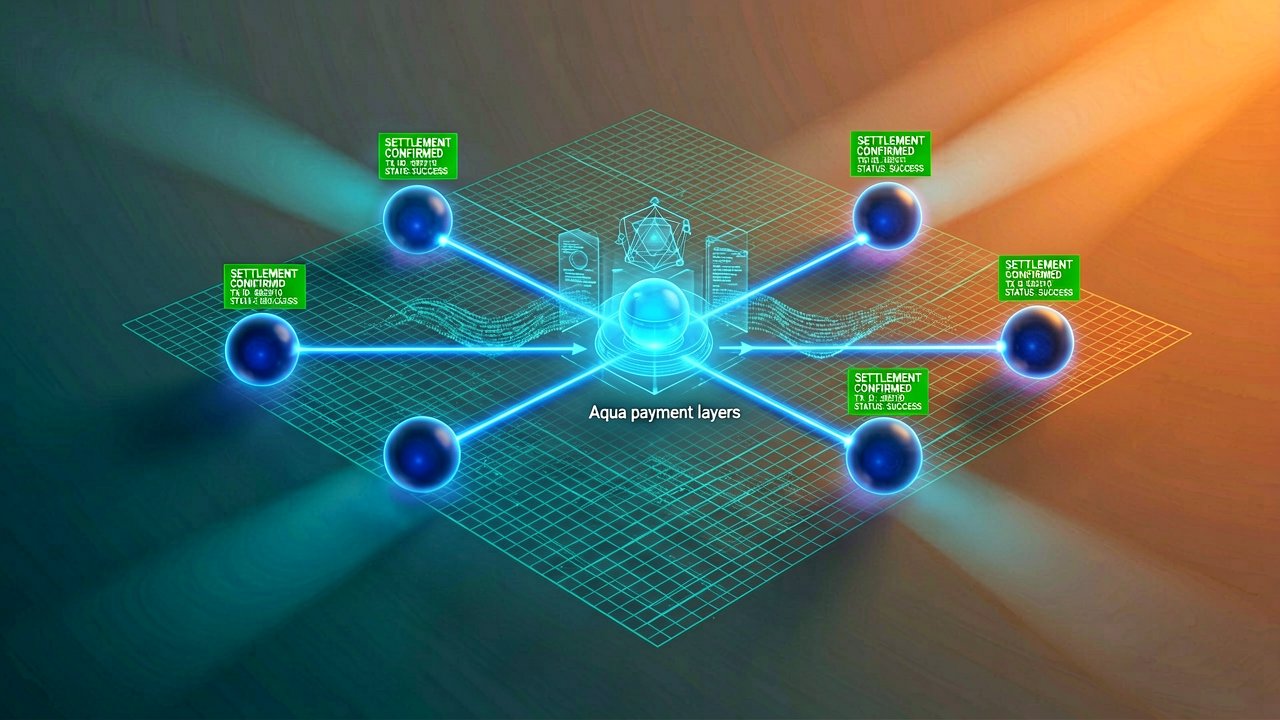
The travel industry has long been a messy patchwork of legacy gateways and fragmented settlement layers, but OwlTing Group is betting that the future of booking isn't human. The Nasdaq-listed fintech firm just pulled the curtain back on its OwlPay Booking Engine for Agent Checkout, a system specifically engineered to let AI agents—not just people—handle the end-to-end process of searching, booking, and paying for travel. Slated for a June 2026 rollout, the platform arrives just as IDC predicts that 30% of all travel bookings will be autonomous by the end of the decade.
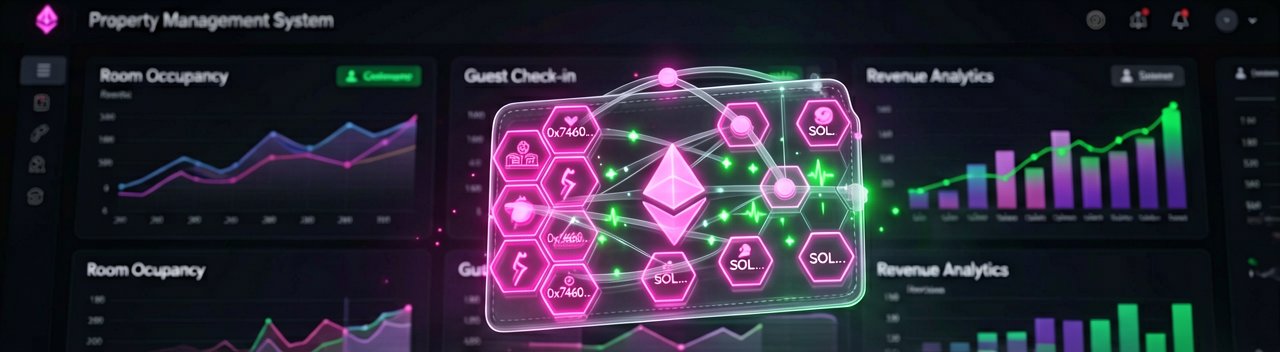
It’s a bold move into what insiders call "agentic commerce." While we’ve grown used to AI chatbots suggesting itineraries, OwlTing is handing them a wallet. By integrating its newly operational Agent Wallet with a dedicated checkout module, the company has created a regulated "payment layer" where AI assistants can execute transactions in stablecoins or fiat. This isn't just a minor update; it's a structural pivot aimed at a market McKinsey estimates could reach a staggering $5 trillion by 2030. For the 2,800-plus hotels already using OwlTing’s OwlNest property management system, the integration means they can start accepting bookings from digital "guests" without overhauling their existing back-office tech.
The Four-Step Handshake: From Search to Settlement
The tech behind this "self-driving" hospitality engine is actually a clever trifecta of OwlTing’s existing fintech stack. First, an AI agent takes a user's prompt—say, "find me a boutique hotel in Tokyo under $300"—and interfaces directly with the booking engine. Once a choice is made, the OwlPay Agent Wallet steps in, authorizing a payment within the user's pre-set limits. This wallet isn't just a digital piggy bank; it’s a self-custody tool that generates addresses on Ethereum, Stellar, or Solana, giving users full control over the private keys while the AI does the legwork.
Solving the Cross-Border Headache
The real heavy lifting happens at the checkout and settlement phases. According to reports from Business Insider, OwlTing is utilizing the x402 open payment standard to allow hotel operators to confirm AI-initiated bookings in real-time. This is crucial because it bypasses the traditional "middleman" friction of international travel. Behind the scenes, the OwlPay Harbor layer handles the cross-border settlement, converting multi-currency proceeds so that a hotel in Japan can receive its funds in local fiat, even if the "traveler" (or their AI) paid in USDC. With money transmitter licenses already secured in 40 U.S. states, OwlTing is clearly positioning itself as the regulated bridge between the volatile world of digital assets and the high-stakes reality of global tourism.
What Most Reports Miss: The Quiet Death of the Middleman
The Invisible Revolution: While mainstream headlines focus on the novelty of AI booking a room, the real story lies in the erosion of the "middleman tax" that has plagued the travel industry for decades. For years, Global Distribution Systems and Online Travel Agencies have acted as high-toll gateways, often taking double-digit commissions. OwlTing’s move to create a direct payment layer for AI agents effectively circumvents these legacy structures. By utilizing the x402 open payment standard, the company is building a decentralized alternative where the "travel agent" is a line of code and the payment processor is a blockchain, potentially returning a significant chunk of revenue back to the hotel operators.
Historically, cross-border travel payments have been a nightmare of reconciliation and high exchange fees. A traveler from Europe booking a boutique hotel in Taiwan typically triggers a chain of intermediary banks, each taking a slice of the pie while slowing down the settlement process to a crawl. OwlTing’s integration of the Agent Wallet with the Stellar and Solana networks isn't just about being "crypto-friendly"—it’s about liquidity. These networks allow for near-instant settlement, meaning a property manager sees their funds in days or hours rather than weeks, a shift that drastically improves cash flow for smaller hospitality players who operate on razor-thin margins.
There is also a significant psychological shift happening in user privacy that this tech addresses. In the current model, booking a trip involves scattering your credit card details and personal identity across half a dozen websites and aggregators. The OwlPay ecosystem allows the user to maintain a self-custody wallet where the AI agent acts as a restricted proxy. The agent can verify "proof of funds" or execute a specific transaction without ever exposing the user’s primary financial credentials to the vendor. This "need-to-know" financial architecture could become the gold standard for security-conscious travelers in an era of frequent data breaches.
From a stakeholder perspective, the hospitality industry is viewing this with a mixture of excitement and cautious pragmatism. Hotel chains have long struggled with the "last mile" of digital transformation—the point where a booking actually turns into settled cash. OwlTing’s strategy of leveraging its 40 U.S. money transmitter licenses provides a layer of regulatory air cover that many "pure" DeFi projects lack. This makes it palatable for traditional CFOs to greenlight the tech, knowing they aren't just playing with experimental tokens but are participating in a regulated financial flow that happens to use a modern engine.

The timing of this launch, slated for June 2026, aligns perfectly with the maturation of stablecoins as a legitimate medium of exchange. As the USDC and other fiat-backed assets become more integrated into the traditional banking system, the friction between a digital wallet and a hotel’s bank account essentially vanishes. OwlTing is effectively betting that by the time the system is fully live, the distinction between "fintech" and "travel tech" will have disappeared entirely, leaving behind a unified, autonomous commerce layer that runs in the background while the traveler focuses on their destination.
The Friction of Autonomy: Reading Between the Lines
Reading Between the Lines: While the promise of an "autonomous" travel economy is intoxicating, it conveniently glosses over the inherent unpredictability of the human traveler. The industry is heralding the efficiency of AI agents that can book and settle in milliseconds, yet travel is rarely a linear transaction. Flights are delayed, hotels are overbooked, and human preferences change on a whim. The current OwlPay model excels at the "happy path" of booking, but the real test lies in the "unhappy path"—the messy world of refunds, chargebacks, and mid-trip cancellations. Handling a dispute between a digital wallet and a legacy hotel bank account when the intermediary is a non-human agent creates a jurisdictional and procedural vacuum that the industry hasn't quite filled yet.
There is also a striking contradiction in the push for decentralization via a Nasdaq-listed entity. OwlTing is championing self-custody wallets and blockchain settlement—technologies born from a desire to bypass centralized authority—while simultaneously securing money transmitter licenses in 40 U.S. states to satisfy the very regulators these systems were designed to circumvent. This "regulated decentralization" is a necessary compromise for institutional adoption, but it risks creating a "walled garden" of AI commerce. If the system only works seamlessly within the OwlNest ecosystem, it isn't so much a revolution as it is a very sophisticated, high-tech upgrade to the existing proprietary booking engines we’ve been trying to escape.
Furthermore, the reliance on stablecoins like USDC as the connective tissue for these transactions assumes a level of global regulatory stability that is anything but guaranteed. While OwlTing is positioning itself for a 2026 rollout, the legislative landscape for digital assets is a moving target. A sudden shift in how "agentic wallets" are classified could turn a streamlined booking process into a compliance nightmare overnight. If every AI-initiated transaction requires the same "Know Your Customer" (KYC) overhead as a traditional bank account opening, the speed and anonymity benefits that make this tech attractive will evaporate, leaving us with a system that is technologically superior but operationally just as cumbersome as the one we have today.
Ultimately, the success of OwlPay hinges on whether travelers actually want to give up the steering wheel. We are moving toward a world where we trust an algorithm to spend our money, assuming it will navigate the complexities of dynamic pricing and hidden fees better than we can. However, the hospitality industry has a long history of "dark patterns"—those sneaky extra resort fees and non-refundable tiers—that are designed to trip up even the savviest humans. Whether an AI agent can detect a bad deal or if it will simply become the fastest way to get overcharged is a question that remains buried in the fine print of the software’s optimization logic.
It’s a brave new world where your AI assistant can book a five-star suite and settle the bill before you’ve even decided what to pack. We can only hope the algorithm has enough common sense to realize that a 'charming, rustic lodge' is usually code for a drafty room with no Wi-Fi, because once the blockchain confirms the transaction, your digital agent won't be the one sleeping on the floor.
Artūras Malašauskas is an AI Systems Integrator with 20+ years of production-grade web engineering experience. He has designed, shipped, and scaled enterprise Python/PHP systems for logistics, SaaS, and public-sector clients. For the past year, he has focused exclusively on AI integrations: deploying open-source LLMs, building generative media pipelines (image, audio, video), and engineering multi-agent workflows for real production environments. His standard: reproducibility, security, cost-efficient inference—no vaporware. He documents and evaluates emerging AI tooling, separating verified capabilities from marketing noise. Technical editor at: muza-ai.eu, ai-verslas.lt, ai-naujinos.lt Connect on LinkedIn
Comments